
How to Apply for a UK Standard Visitor Visa from Pakistan
Yes, you really can visit the UK and it’s more achievable than you think.



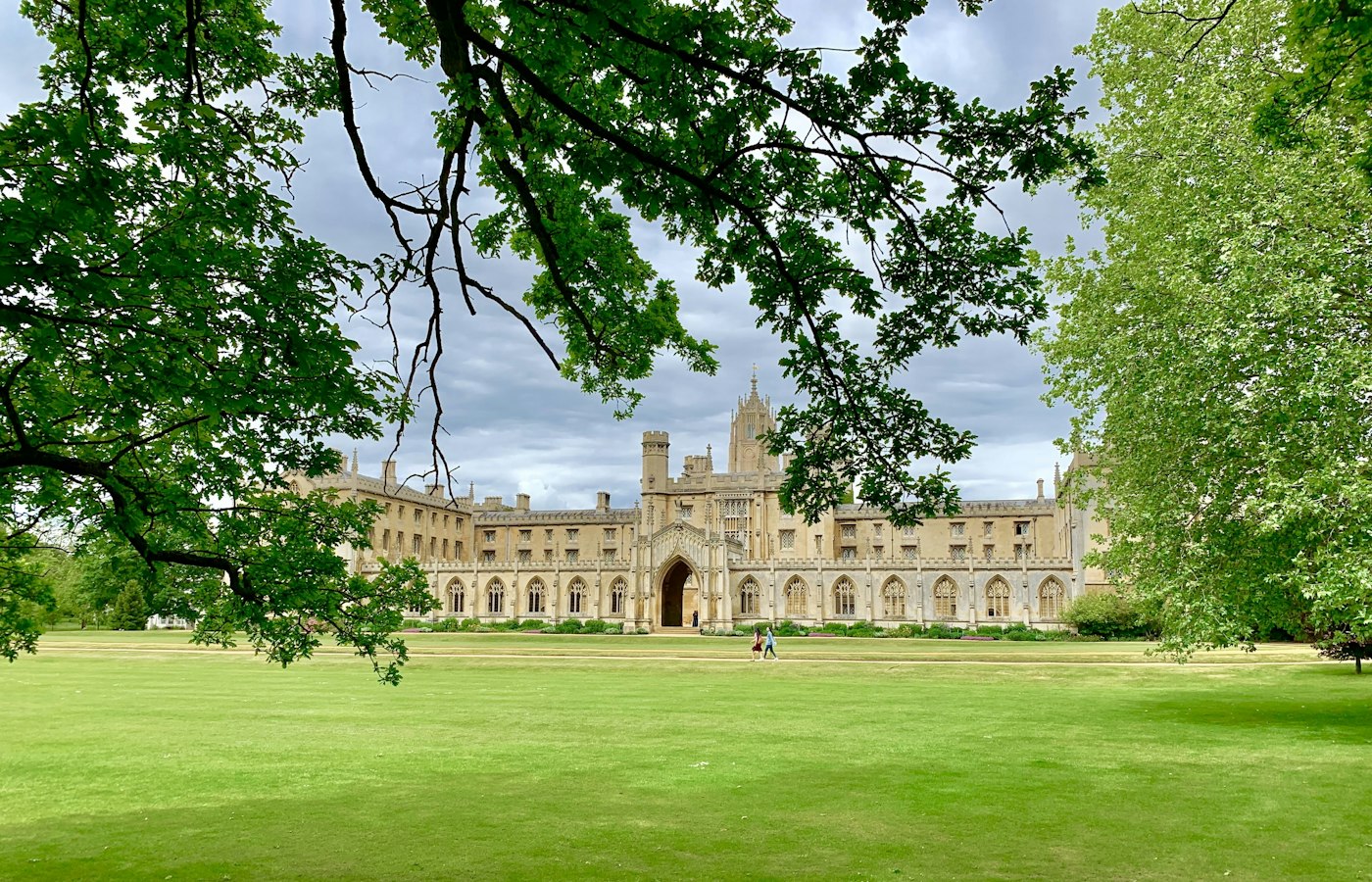
Dreaming of studying at a world class UK university?
Update, September 2026: UK Student visa maintenance funds rise on 30 November 2026 to £1,570 a month in London and £1,203 outside London. Read what January 2027 applicants must show.
Studying in the UK is a dream for thousands of Pakistani students every year and for good reason. World class universities, shorter degrees (a Master’s in just one year!), and the Graduate Route that lets you work after your studies. The best news? With the right preparation, a UK study visa is very achievable. You just need to get the details right.

Here’s the truth many students learn too late: most UK study visa rejections don’t happen because of weak profiles they happen because of missing documents, money mistakes, or avoidable errors. That’s exactly why this guide is built around a clear checklist and a step by step process. Follow it carefully, and you’ll dramatically improve your chances of a “yes”. Let’s get you to the UK.
Who is this guide for?
Pakistani students who’ve received (or are about to receive) an offer from a UK university and want a clear, complete roadmap to the Student Route visa with no confusing jargon.
The Student Route visa (formerly “Tier 4”) is the visa Pakistani students use to study a full time course at a licensed UK university or college. It lets you:
The whole system is built around one crucial document the CAS which your university issues once they’ve offered you a place. Everything else supports your application around it.
Before we dive into the process, it’s worth remembering why the UK is such a popular choice it helps you build a genuine, motivated application:
To apply for the UK Student Route visa, you generally need to:
Not sure how this applies to you?Send us your details and a Westside adviser will tell you honestly where you stand. Free 30 minute assessment.
Ask on WhatsAppThe CAS (Confirmation of Acceptance for Studies) is a unique reference number your university gives you once you’ve accepted your place and met their conditions. It’s not a physical document it’s an electronic record but it is the single most important part of your visa application.
Your CAS contains key information the visa officer checks against your application, including:
Critical:
Everything in your visa application must match your CAS exactly your name, course, dates, and the documents listed. Even small mismatches can trigger a rejection. Always check your CAS carefully the moment you receive it, and report any errors to your university straight away.
This is the heart of your application. Missing or incorrect documents cause a huge share of rejections, so use this checklist carefully. Tick off each item as you prepare it.

With a blank page and validity covering your study period.
Your unique reference number from your UK university you cannot apply without it.
Degrees, transcripts, and certificates listed on your CAS as used for your offer.
At the level your course and the visa require booked at an approved UKVI test centre.
Bank statements showing tuition + living costs, held for 28 consecutive days (see below).
From a UKVI approved clinic in Pakistan, valid for 6 months.
For certain STEM postgraduate courses your CAS will tell you if you need it.
If a parent or sponsor funds you, their consent letter and relationship proof (e.g. birth certificate).
Meeting the UK digital photo requirements.
Certified English translations for any document not already in English.
Important for Pakistani applicants:
Pakistan is treated as a “high scrutiny” market, which means you should submit
all
your documents with the initial application and expect a thorough review. Don’t rely on any “differentiation” shortcut prepare everything.
Finances cause more student rejections than almost anything else usually not because students lack money, but because they get the rules wrong. Let’s make this crystal clear.

You must show enough to cover your unpaid tuition for the first year plus your living costs. The living cost amounts are set by the Home Office (worked examples in rupees, whose money counts and the bank statement rules are in our UK student visa financial requirements guide):
| Studying in London | £1,529 per month, for up to 9 months (about £13,761) |
| Outside London | £1,171 per month, for up to 9 months (about £10,539) |
| Plus | Your first year tuition, minus any deposit already paid |
This is where most students slip up. The required money must sit in your account for 28 consecutive days, and on no single day can the balance dip below the required amount. The closing balance on your statement must be dated within 31 days of your visa application.
Consistency is everything:
A steady balance held for the full 28 days tells one clean story. A sudden large deposit, or a dip below the amount for even one day, can break the rule and lead to rejection. Plan your funds early and don’t touch them.
Good to know for Pakistani students:
Pakistani Rupee bank statements are accepted the converted value at the statement date must meet the GBP requirement. Blocked accounts or fixed deposits can be accepted if accessible. And if you hold a
Chevening
Commonwealth
scholarship, your award letter can replace the financial evidence entirely.


Most Pakistani students meet the English requirement through a test, but there’s a crucial detail: for the visa, you usually need IELTS for UKVI (Academic), not the standard IELTS Academic. They look similar but are booked differently, so double check before you pay.
Every applicant from Pakistan must provide a TB test certificate from a UKVI approved clinic (there are approved centres in Karachi, Lahore, and Islamabad). The certificate is valid for 6 months, so time it right. Without it, your application will be rejected.
If you’re applying for certain postgraduate courses in sensitive subjects (like some physics, chemistry, and engineering fields), you may need an ATAS certificate. Your CAS will state if it’s required. It’s free but can take several weeks, so apply early to avoid delays.
Here’s the entire journey from Pakistan, in order. Follow each step carefully.

Not sure how this applies to your case?
Send us your question on WhatsApp. A Westside adviser in DHA Lahore will reply, Monday to Saturday, 10:00 to 18:00.
Ask on WhatsAppThe golden rule: start early. Rushing is the enemy of a clean application. Here’s a rough guide:
| 9 to 12 months before | Research courses, shortlist universities, start IELTS prep |
| 6 to 9 months before | Apply to universities, sit IELTS UKVI, receive offers |
| 3 to 4 months before | Accept your place, arrange finances (start the 28 day clock), get CAS |
| 2 to 3 months before | TB test, apply online, book biometrics, submit |
| Up to 6 months before | You can apply for the visa up to 6 months before your course starts |
Beyond your tuition and living costs, budget for these application costs:
Plan ahead:
Fees change regularly and add up quickly, so budget early. A priority service may be available for quicker decisions at extra cost. We’ll give you a clear, honest picture of the total costs for your situation.
Many Pakistani students are asked to attend a credibility interview (often a short video call). Don’t panic its purpose is simply to confirm you’re a genuine student with real study intentions. Being well prepared makes all the difference. Officers typically ask about:
How to shine:
Know your course and university inside out, speak honestly and confidently, and never sound rehearsed or scripted. If you can explain clearly why you chose this exact course and how it fits your future, you’re in great shape. We run practice interviews with our students to build this confidence.
Remember: most rejections are avoidable. Fix these issues before you apply, and you’re already ahead.
| Breaking the 28 day money rule | The number one rejection reason. Funds dipping below the amount for even one day, or a statement dated wrongly, breaks the rule. | Fix it first: Hold the full required amount untouched for a clean 28 days, and make sure your statement’s closing date is within 31 days of applying. |
| Missing or incorrect documents | A missing academic certificate, wrong English test, or no TB certificate leads straight to rejection. | Fix it first: Use the full checklist above, submit every document, and double check you booked IELTS UKVI Academic not standard IELTS. |
| Failing the credibility / genuine student test | If you can’t clearly explain your course, university choice, or study plans, the officer may doubt you’re a genuine student. | Fix it first: Know your course and university inside out, and be ready to explain why you chose them and how they fit your career goals. |
| Sudden large deposits / unexplained funds | A big lump sum appearing just before applying raises doubts about where the money came from. | Fix it first: Keep funds steady well in advance. If money was gifted or from a sale, explain it clearly with proof and a sponsor letter. |
| CAS or course mismatches | If the documents don’t match what’s on your CAS, or the course looks like a step backwards, it raises red flags. | Fix it first: Make sure your submitted documents exactly match your CAS, and choose a course that makes logical sense for your academic path. |
Want an extra edge? These simple habits make a real difference:
Your UK study visa opens more doors than just the classroom:
Think long term:
The UK study visa can be the first step of a much bigger journey study, then work, then potentially settlement. Planning with the end in mind pays off.
In most cases, students on undergraduate or taught Master’s courses cannot bring dependants under current rules. However, dependants may be allowed for certain postgraduate research programmes (like a PhD) or government sponsored courses. If bringing your family matters to you, check your eligibility carefully we can advise you on your specific situation.
Here’s the honest truth: no one can “promise” a visa the decision always rests with the UK Home Office. But you can make your application as strong as possible. And that’s exactly where we come in.
At Westside Visa, our consultants in DHA Lahore have helped many Pakistani students win their UK study visas. We help you:
Think of us as your teammate on your side, with hands on experience, honest advice, and nominal, transparent fees. If the UK is calling, let’s build the strongest possible application together.
| Visa | Student Route (formerly Tier 4) |
| Key document | CAS from a licensed UK sponsor |
| Money rule | 28 consecutive days; statement within 31 days |
| English | Usually IELTS UKVI Academic |
| TB test | Mandatory for Pakistan (approved clinics) |
| Processing | Around 3 weeks after biometrics |
| Work rights | Up to 20 hrs/week in term time |
| After study | Graduate Route (18 months from 1 Jan 2027; 3 years for PhD) |
Fees, financial amounts, and rules change regularly always confirm the latest details on the official GOV.UK Student visa page before applying.

Planning your UK journey? We’ve got you covered:
You need your first year unpaid tuition plus living costs £1,529/month (up to 9 months) for London, or £1,171/month for outside London. This must be held for 28 consecutive days without dipping below the amount, on a statement dated within 31 days of applying.
The required funds must sit in your account for 28 continuous days, and the balance must never fall below the required amount on any single day. The statement’s closing balance must be dated within 31 days of your visa application. Breaking this rule is a top rejection reason.
For the UK student visa, you usually need IELTS for UKVI (Academic) not standard IELTS Academic. They test the same skills but are booked at approved UKVI centres. Always confirm the exact requirement with your university before booking.
Yes. All applicants from Pakistan must provide a TB test certificate from a UKVI approved clinic (available in Karachi, Lahore, and Islamabad). The certificate is valid for 6 months, and without it your application will be rejected.
Yes most students on the Student Route can work up to 20 hours per week during term time, and full time during holidays. After you finish, the Graduate Route lets you stay and work for 18 months (3 years for PhD graduates) if you apply from 1 January 2027, or 2 years if your application is submitted by 31 December 2026. Read our Graduate visa 18 months deadline guide for the full timeline.
The standard processing time is usually around 3 weeks after you give your biometrics, though it can take longer in busy periods. A priority service may be available for quicker decisions at extra cost. Apply early to be safe.
Yes it’s one of our core services. We help with course and university choice, CAS, the document checklist, the 28 day money rule, and credibility interview preparation. We can’t promise a visa (no honest consultant can), but we make sure your application is as strong as possible. Contact us to get started.
 UK Student Visa Funds Rise on 30 November 2026: What January 2027 Applicants from Pakistan Must Show
 UK Student Visa Financial Requirements 2026/27: £1,529, £1,171, the 28 Day Rule and What Your Pakistani Bank Statement Must Show
 UK Graduate Visa Cut to 18 Months: The 31 December 2026 Deadline Every Pakistani Student Must Know
Westside Visa News brings the week’s official changes for Pakistani students and families, in plain language, every Monday.
Visit us at First Floor, 22 A, Sector A, Phase 5, DHA Lahore, Monday to Saturday, 10:00 to 18:00, or message us any time.
This guide is general information from Westside Visa Consultants, not legal advice. Visa rules change often, so always confirm the latest position on the official government website before you apply.



A curated list of the most popular travel packages based on different destinations.
Yes, you really can visit the UK and it’s more achievable than you think.
The Home Office has raised the money you must show for a UK Student visa. From 30 November 2026 the monthly figure goes up to £1,570 in London and £1,203 outside London. If you are aiming for a January 2027 start, the date you apply now decides which…
Apply on or before 31 December 2026 and you get 2 years. Apply on or after 1 January 2027 and you get 18 months. The date that matters is the date you submit the application, not the date your course ends.
Got a meeting, conference, or trade fair in the UK? The Business Visitor visa lets you travel to the UK for short term business no work visa needed.
A visa rejection feels like the end of the road but very often, it isn’t.
Seeking world class medical care in the UK? It’s absolutely within reach.
Choosing where to do your PhD is one of the biggest decisions of your academic life, and the four leading English speaking destinations each offer something different.
You worked hard for your UK degree now stay and turn it into a career. The Graduate Route (post study work visa) lets you live and work in the UK after graduating, with no job offer and no sponsorship needed.