


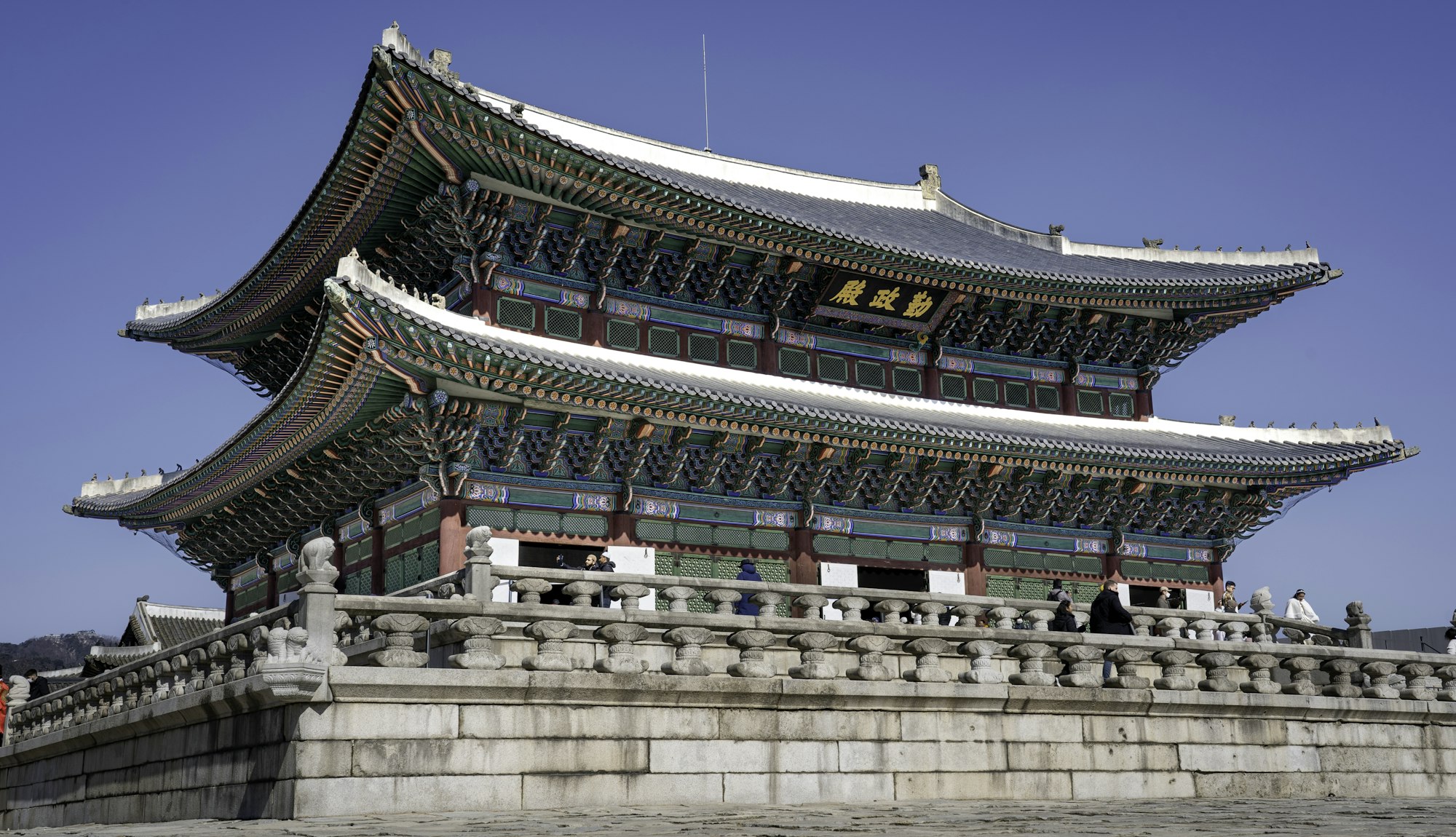
Tech, culture and top universities, with a scholarship that pays your way
South Korea combines world class technology universities, a safe and exciting student life and one of Asia’s best scholarships. Graduates can stay on to look for work. We help you choose the university, the scholarship and a clean D2 visa file.
Westside Visa Consultants is an independent private advisory. We are not affiliated with any government, embassy or visa application centre and cannot influence a visa decision. Figures are the published ones or typical ranges at the time of writing; we confirm current numbers at your assessment.
Is South Korea the right choice for you?
Korea is a strong choice for engineering, computing and research, especially with a scholarship. The trade off is language: daily life and many jobs need Korean, so plan to learn it from day one.
Engineering, tech and research
- Science, engineering and computing students aiming high
- Master’s and PhD applicants with research plans
- Students who want a safe, modern country with real graduate job options
The scholarship route
- Strong students aiming for the fully funded Global Korea Scholarship
- It includes a Korean language year before your degree
- Ask us how strong your profile looks before the window opens
If you will not learn Korean
- Most part time and graduate jobs need Korean
- Some bachelor’s programmes are taught mainly in Korean
- Canada, Australia or the UK are easier in English only
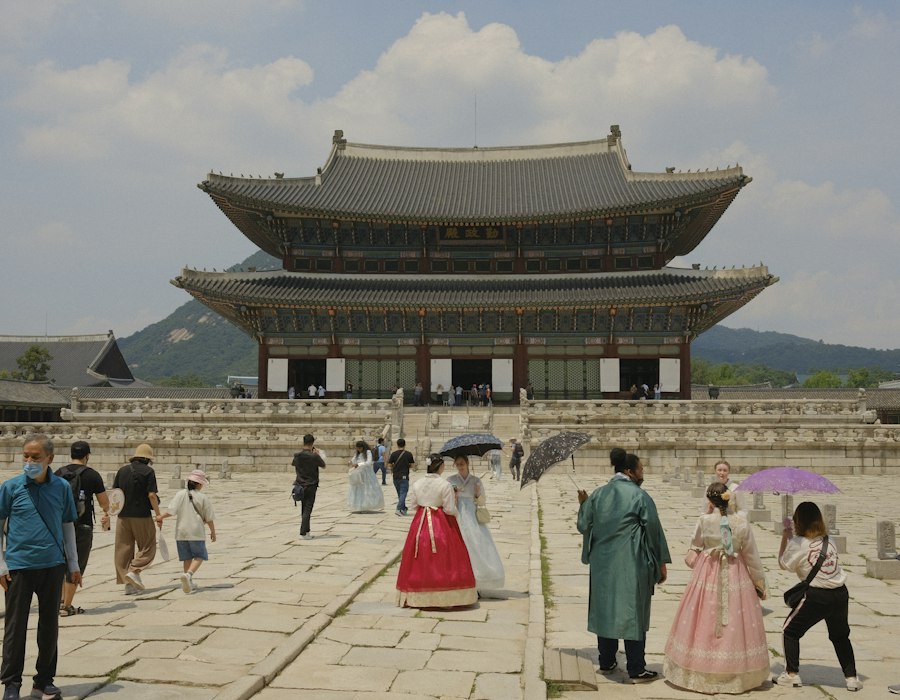
Palaces, neon and cherry blossom
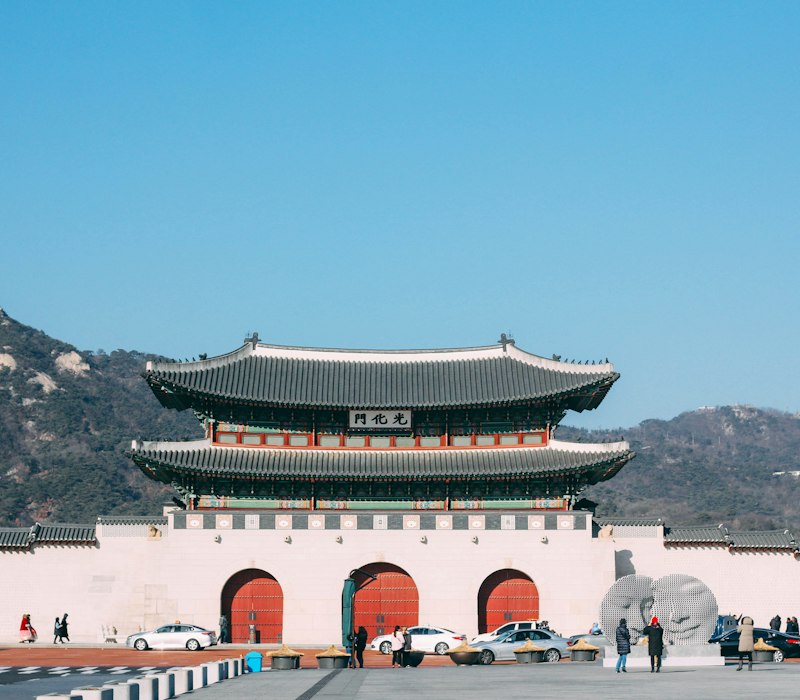
Seoul never sleeps: ancient palaces sit beside neon shopping streets, and the subway takes you anywhere in minutes. Korea is one of the safest places in the world to be a student.
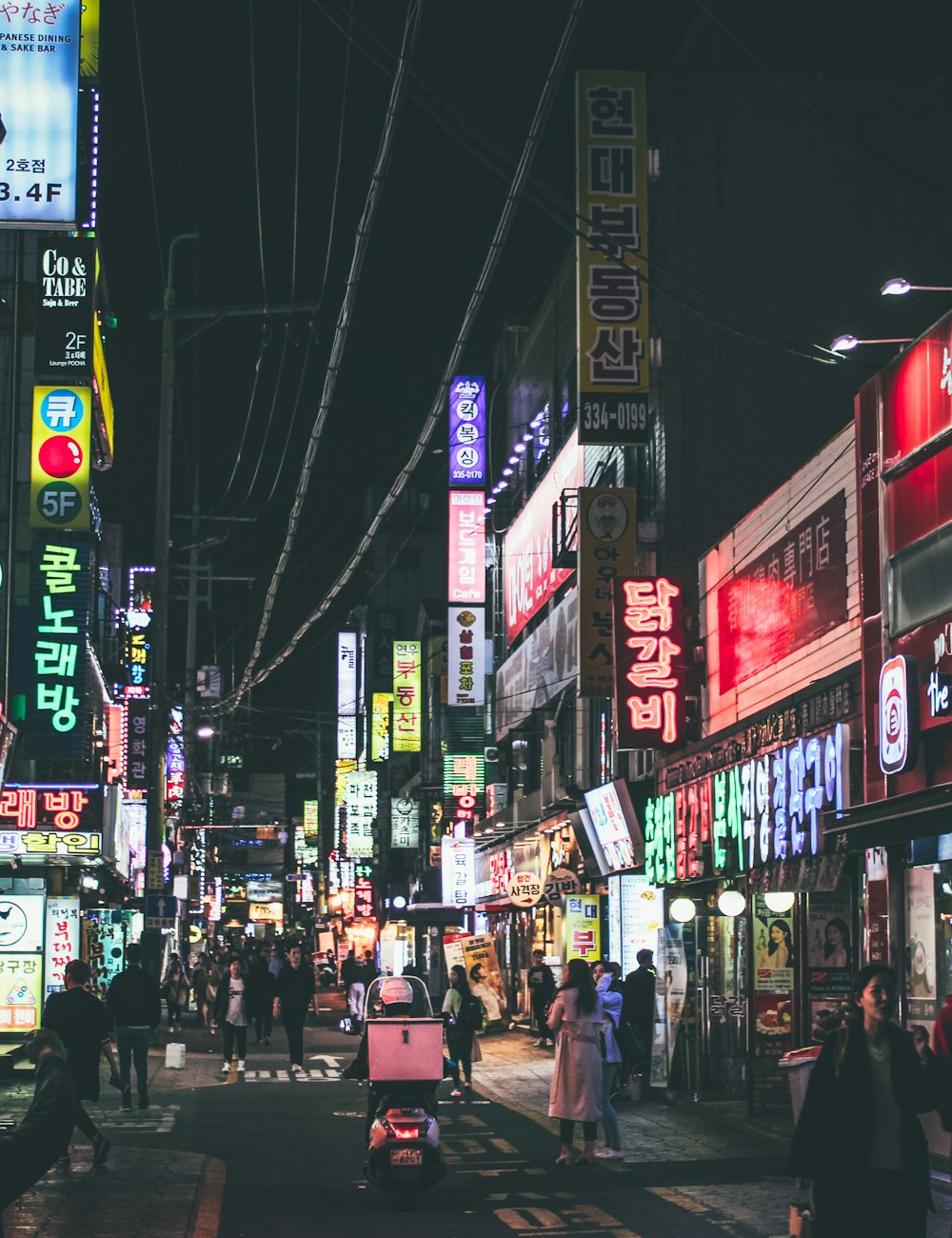
Neon nights in Seoul
Student districts like Sinchon and Hongdae are full of cafés, music and late night food.
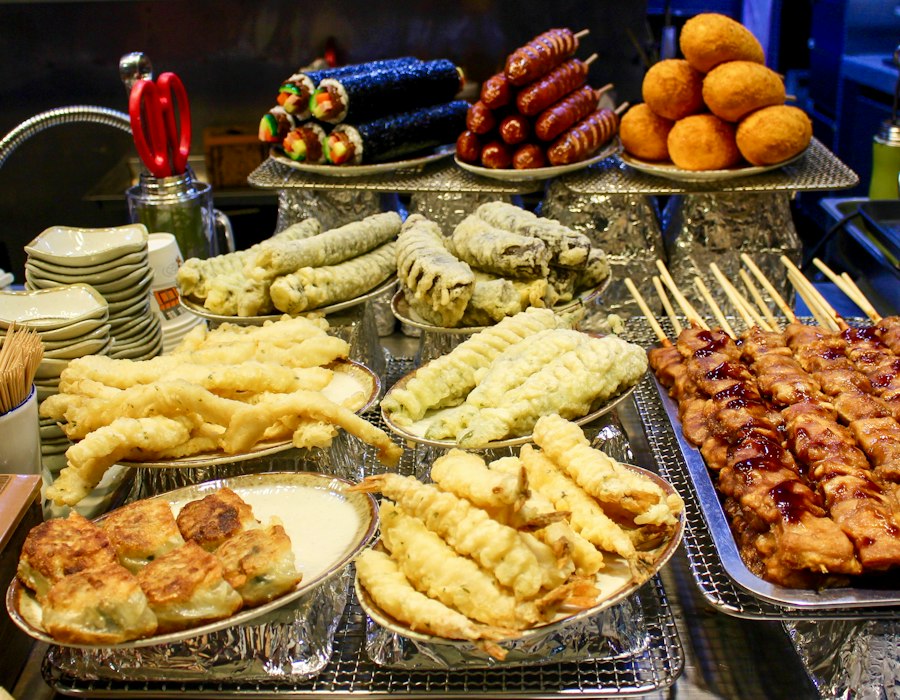
Street food and café culture
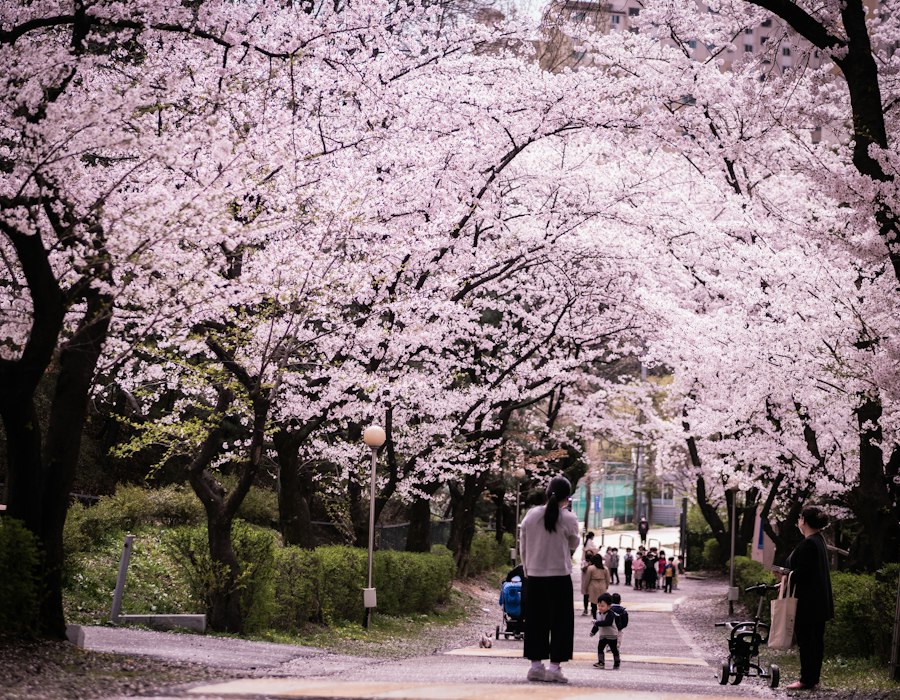
Cherry blossom season on campus
Six ways to study in Korea
Korea rewards planning. Choose your route by grades, budget and how much Korean you want to learn.
Bachelor’s degree
Engineering, computing, business and design, in English or Korean.
Master’s degree
Research led master’s, often with lab funding or tuition waivers.
PhD and research
Funded lab places at leading science and technology universities.
Global Korea Scholarship
Tuition, stipend, airfare and a Korean language year, through the embassy or a university.
Korean language course
A language programme at a university, useful before a Korean taught degree.
University scholarships
Many universities cut tuition for strong grades or a good language score.
What happens after you graduate
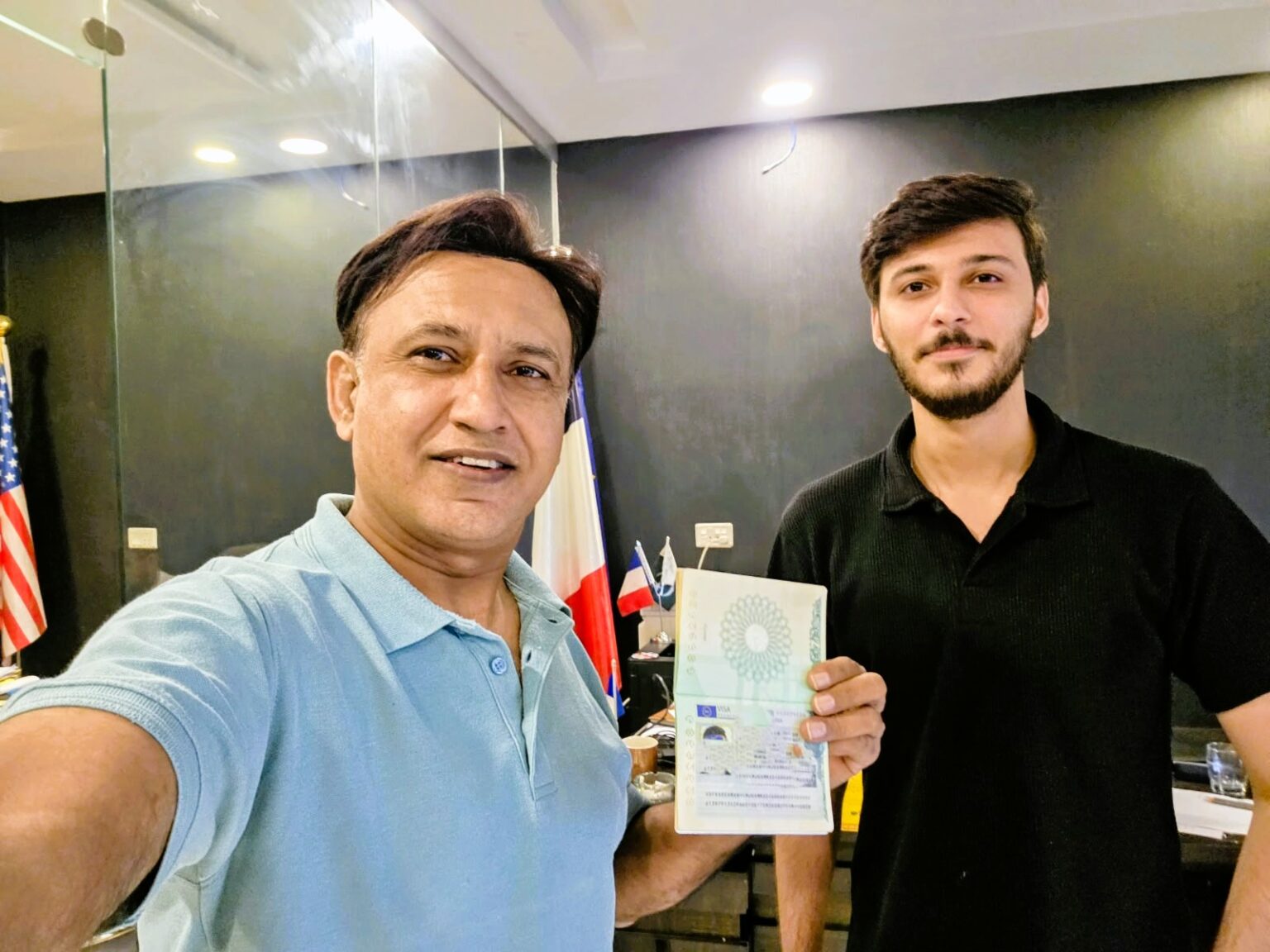
Korean graduates can switch to a job seeker visa to look for work, then move to a work visa with an employer. Korean language skills make a big difference, so the students who study it alongside their degree do best.
From offer letter to boarding pass
For Korea you apply to the university first. Once it issues your certificate of admission, you apply for the D2 student visa.
Free assessment
We check your grades, English and budget, and your scholarship chances.
Apply and get your offer
Direct admission, or the Global Korea Scholarship in its window.
Certificate of admission
Your university issues the certificate you need for the visa.
Documents and funds
Attested documents and a bank balance that covers your first year, checked by us line by line.
D2 student visa
You apply to the Korean embassy in Islamabad. Allow a few weeks.
Arrive and register
Register for your residence card within 90 days of arriving.
The budget, line by line
Ranges are typical at the time of writing. Seoul costs more than Daejeon, Daegu or Busan. The embassy expects proof of funds for your first year, so we plan your bank statements early and confirm current figures at your assessment.
What universities ask for
Where you could study in Korea
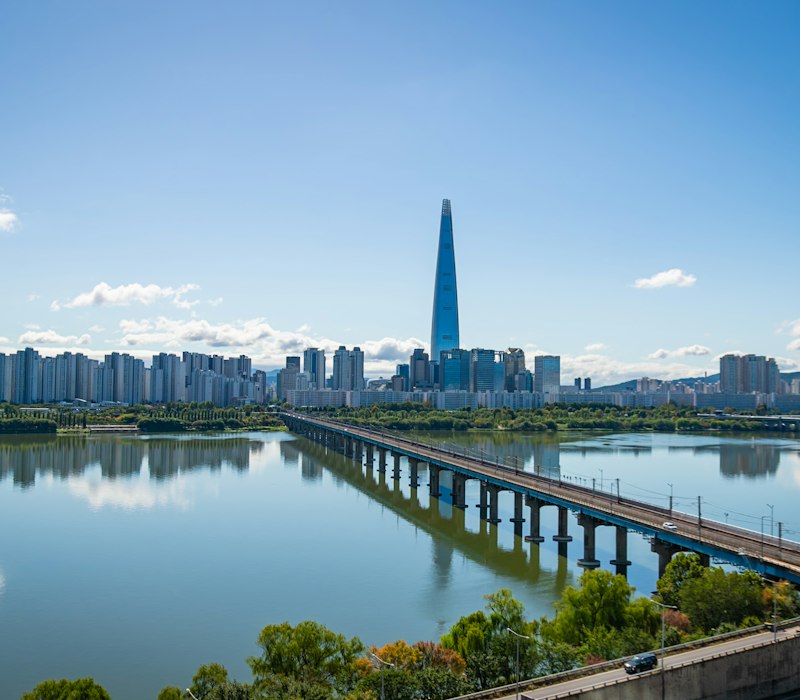
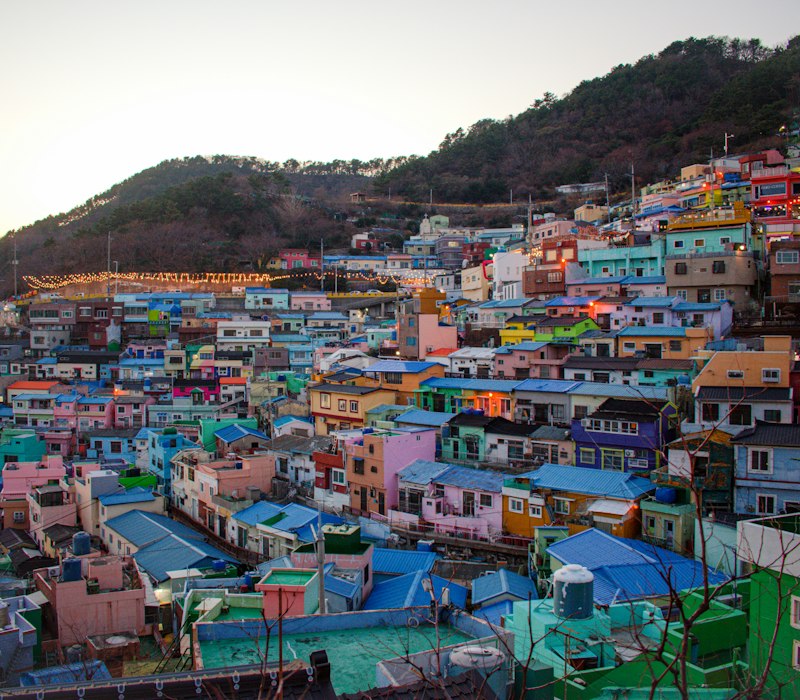
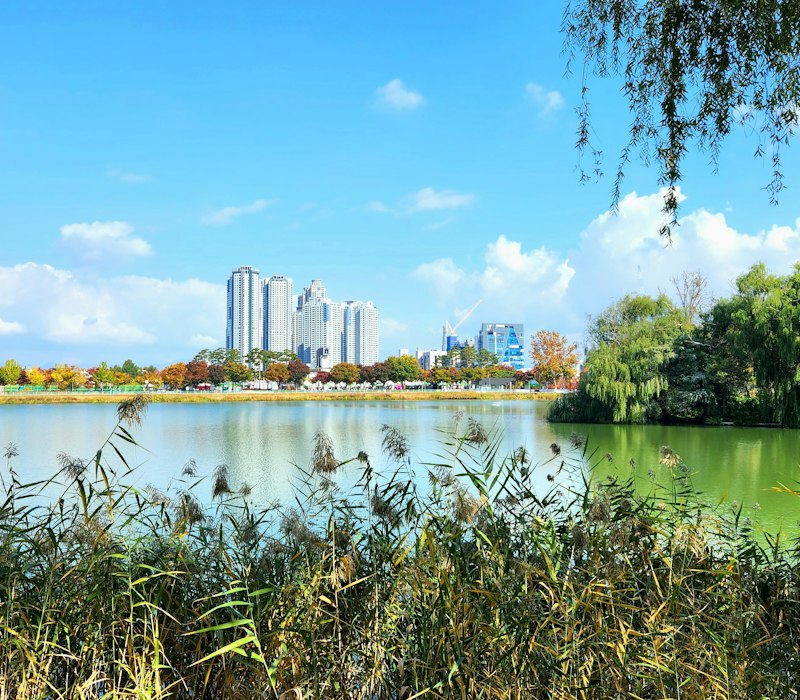
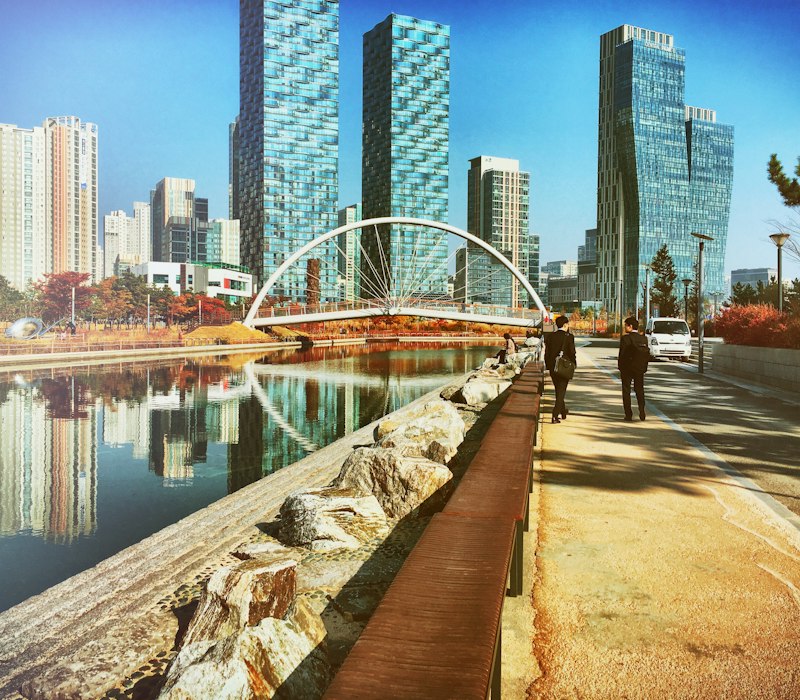
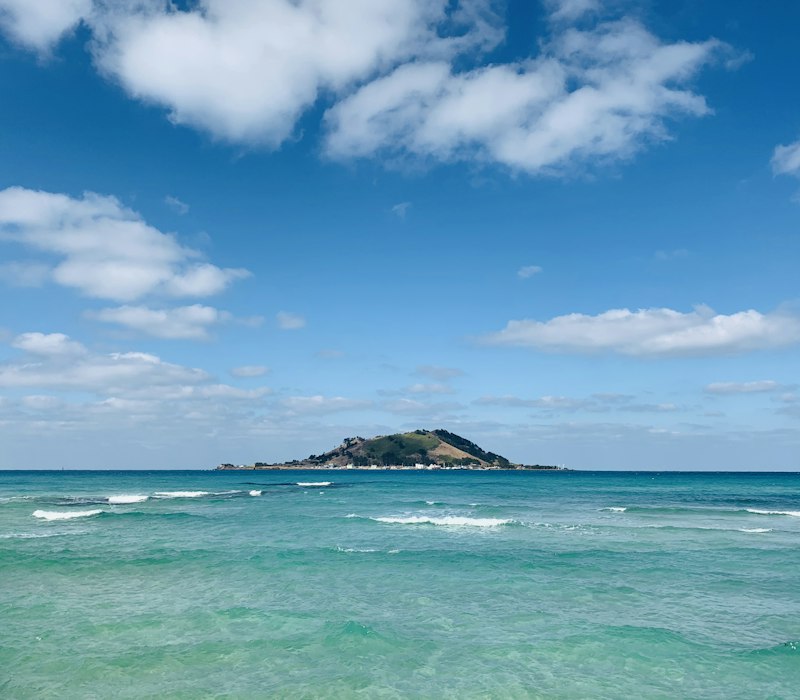
Seoul holds the best known names, but Daejeon, Busan and Daegu offer strong universities at lower living costs.

Compare, and plan your family visits

Ranked universities and government scholarships, closer to home.

English only study with post study work rights after graduating.

How your parents can visit you, and how we prepare their visit visa file.
Korea study questions we hear every week
Anything else, ask on WhatsApp. A real adviser replies, not a bot.
Ask your questionIs a Korean degree recognised in Pakistan?
Degrees from accredited Korean universities are recognised by HEC and respected worldwide, especially in engineering and technology. We only shortlist accredited universities.
Can I study in Korea in English?
Yes, especially at graduate level and in engineering and business. Some bachelor’s programmes are taught mainly in Korean and need TOPIK level 3 or 4. We check the language of every programme before you apply.
What is the Global Korea Scholarship?
A government scholarship that covers tuition, a monthly stipend, airfare and a Korean language year. You apply through the Korean embassy or a university, depending on the track. It is competitive.
How much does it cost to study in Korea?
Tuition is typically KRW 5 to 12 million a year, and living costs are about KRW 800,000 to 1.2 million a month. We confirm current figures at your assessment.
Can I work while studying in Korea?
Yes, with permission. Students can usually work about 20 hours a week during term, depending on their language level, and more during vacations.
Can I stay in Korea after graduating?
Yes. Graduates can apply for a job seeker visa to look for work, then an E7 work visa once they have a job. Korean language skills help a lot.
How much money do I need to show for the visa?
The embassy expects proof that you can cover your first year. The amount depends on your programme. We confirm the current figure and plan your statements early.
Is Korea safe for Pakistani students?
Korea is one of the safest countries in the world. Halal food is easy to find in Seoul, especially around Itaewon, and many universities have prayer rooms.



