


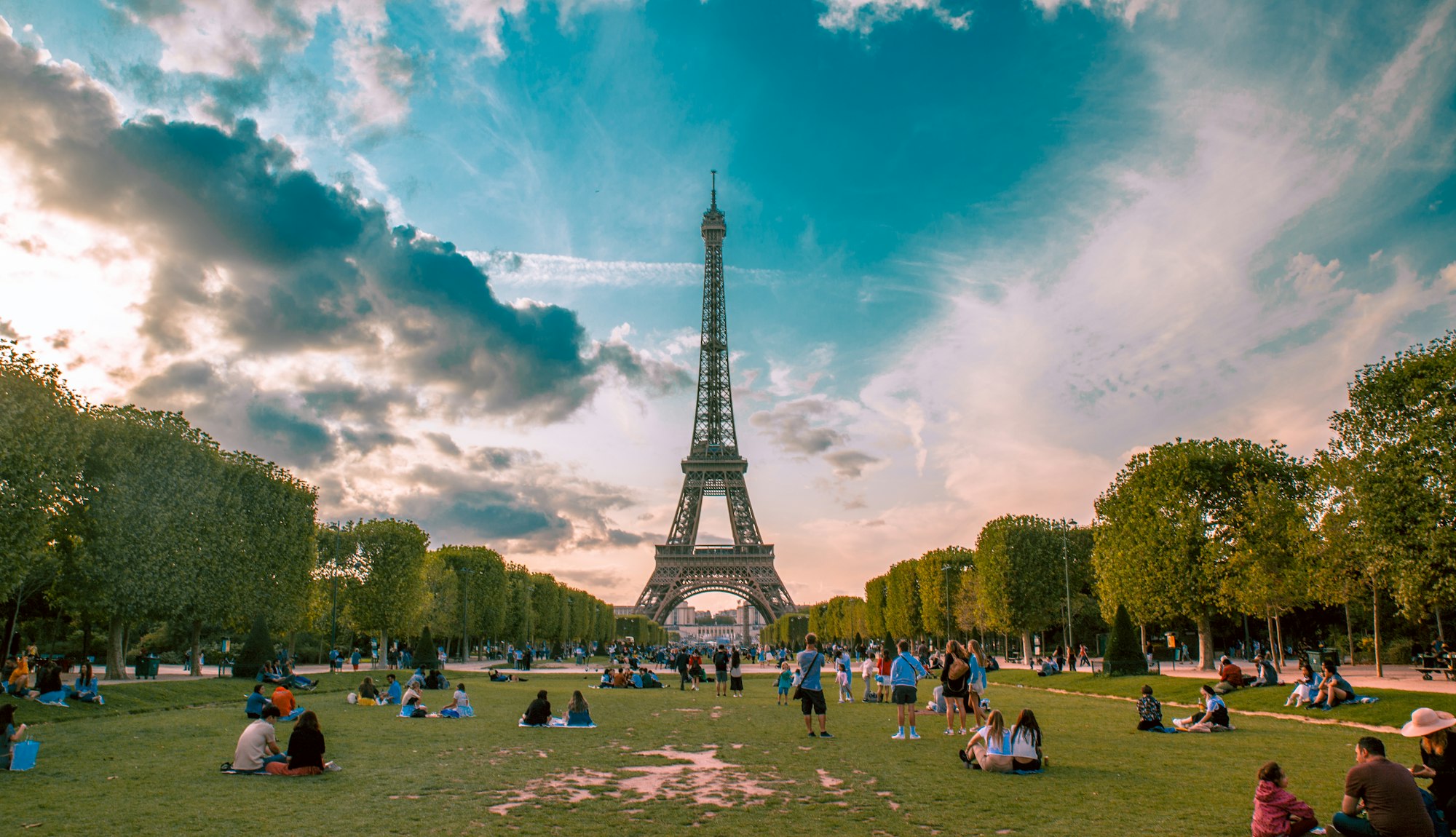
Study in Europe from Pakistan, world class and surprisingly affordable
Low or no tuition at public universities, hundreds of master’s programmes taught in English, and a year or more to find work after you graduate. One Schengen visa opens 29 countries for your weekends. Here is how France, Germany and the rest compare for the 2027 intakes.
Westside Visa Consultants is an independent private advisory. We are not affiliated with any government, embassy or visa application centre and cannot influence a visa decision. Figures are the published ones at the time of writing, each with its date; we confirm current numbers at your assessment.
France, Germany, or somewhere else in Europe?
The best European country for you depends on your subject, your budget and whether you want to learn a new language. Here is the honest short version.
English taught master’s, a clear process
- Public university fees of €3,950 a year for a master’s and €2,902 for a bachelor’s from 2027
- Applications through Campus France with an academic interview in Pakistan
- Show at least €615 a month; one year afterwards to find work
Almost no tuition, strong for engineering
- No tuition at most public universities, only a semester contribution
- A blocked account of €11,904 for the first year
- 18 months after graduation to find a job, then the EU Blue Card
Italy, the Netherlands, Ireland, Hungary, Bulgaria
- Italy: regional scholarships that can cover fees and living costs
- Netherlands and Ireland: English everywhere, higher fees
- Hungary and Bulgaria: lower costs, medicine and engineering in English
Centuries old universities, café terraces, and a continent on your doorstep
A European degree is recognised worldwide, costs a fraction of the UK or USA, and comes with the chance to see a new country every long weekend.
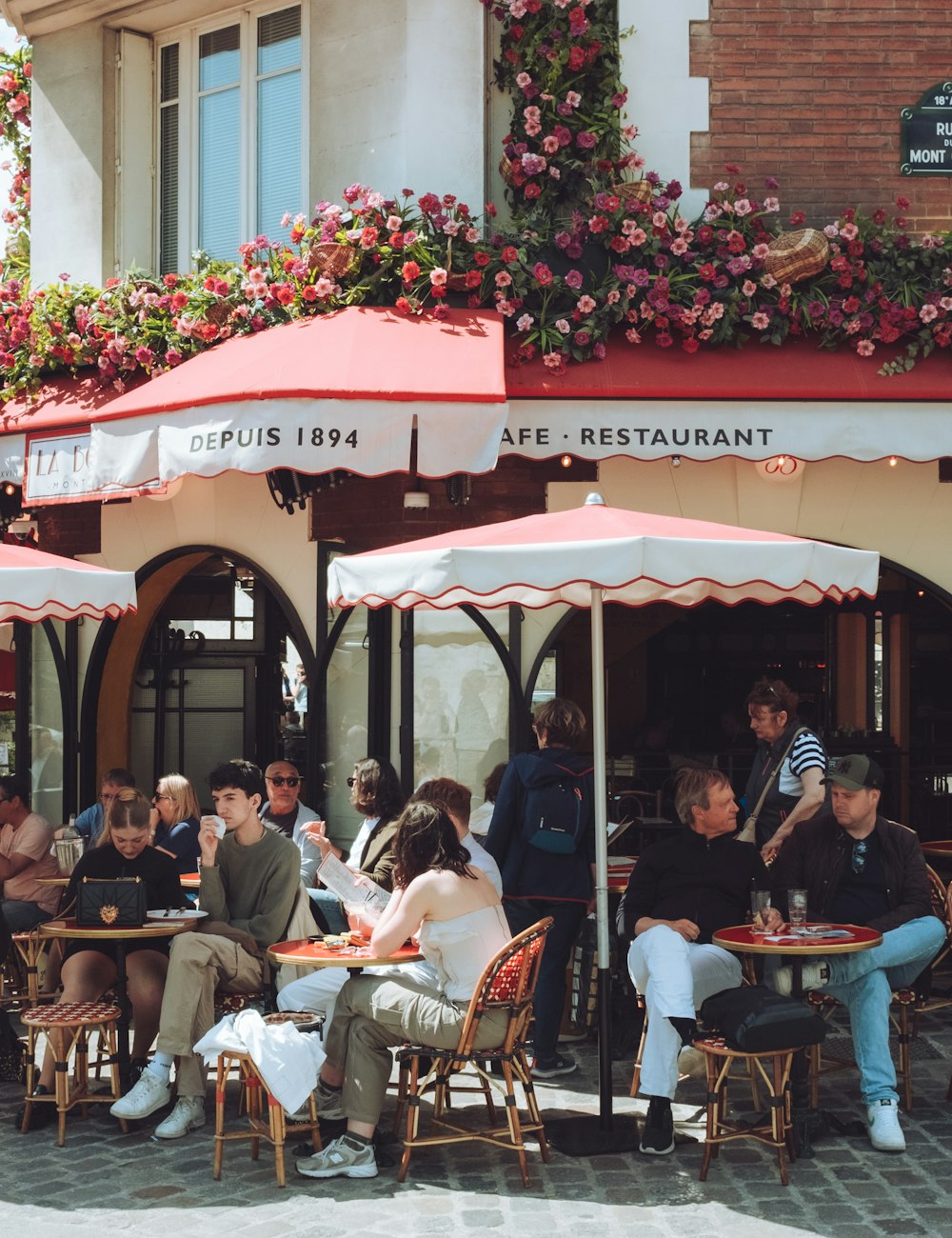
Lectures in the morning, terraces in the afternoon
European cities are built for students: cheap transport, student discounts on almost everything, and life lived outdoors.
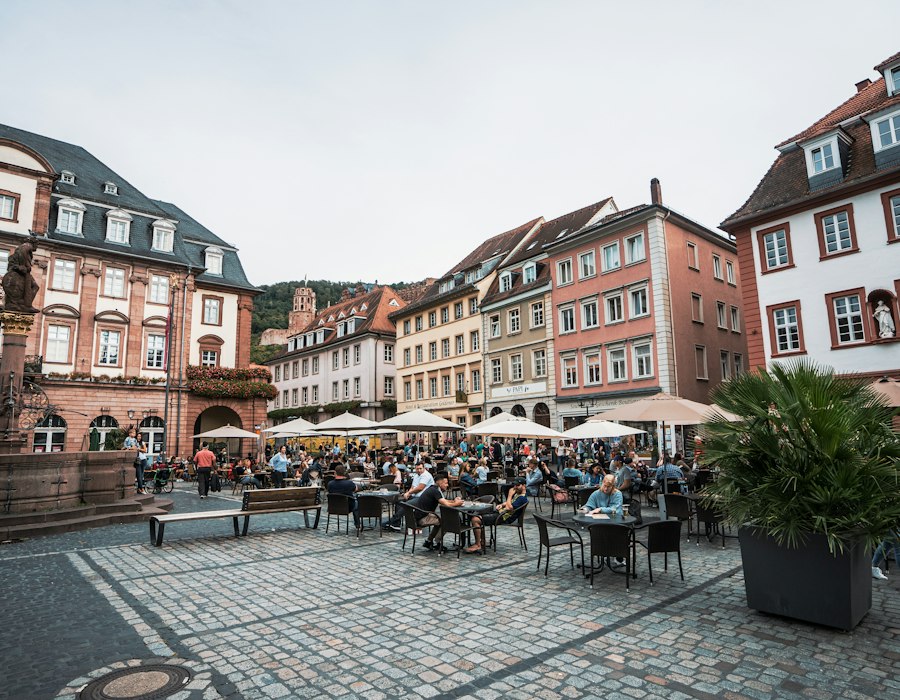
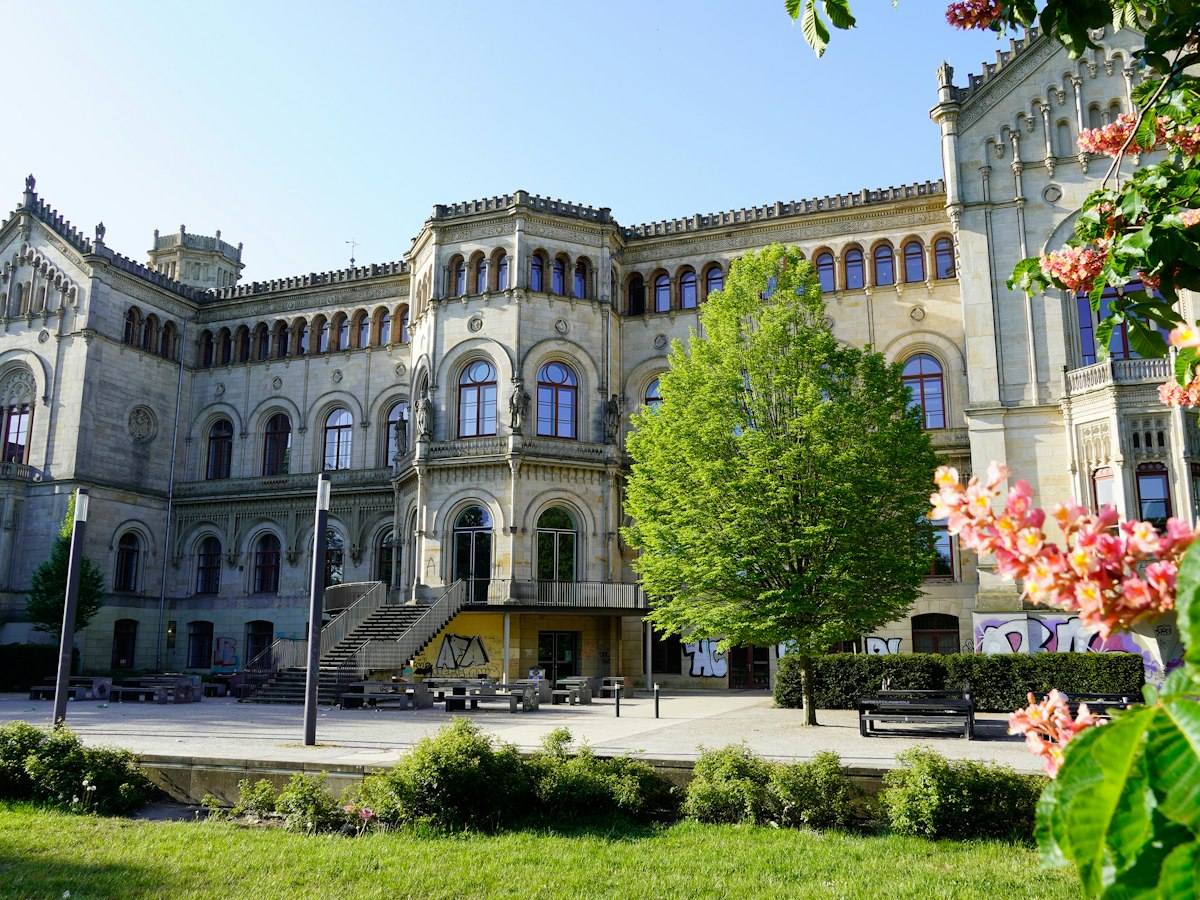
Study where universities are the heart of the city
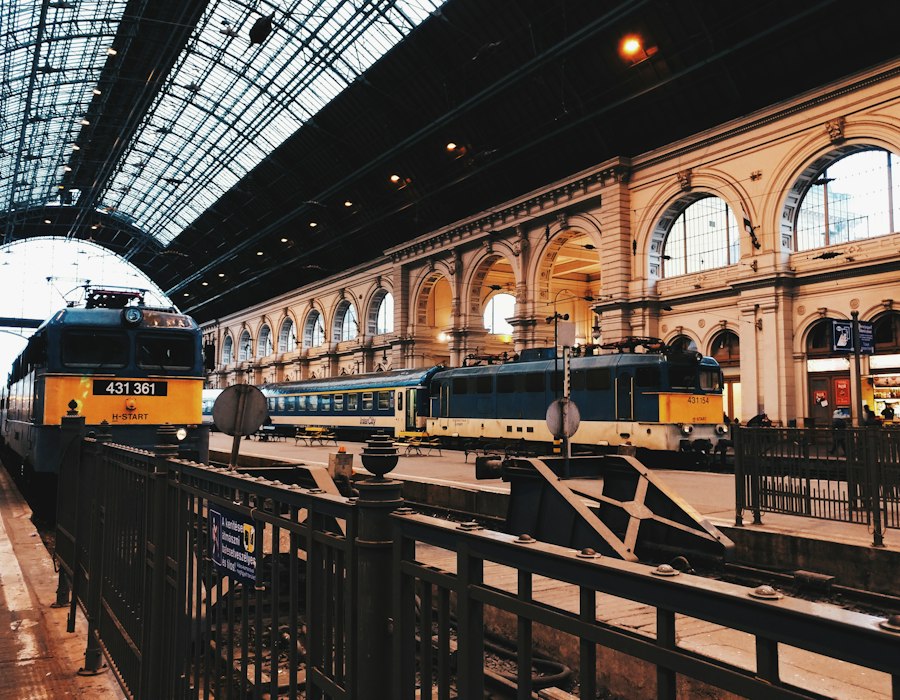
Weekend trains across the Schengen area
Six routes into a European qualification
Tell us your subject, your grades and whether you are willing to learn French or German, and we will show you the routes that fit.
Master’s in English
The most popular route: hundreds of English taught master’s in France and Germany, many with low public fees.
Bachelor’s degree
Mostly taught in French or German, with a growing number of English programmes in Italy, the Netherlands and Hungary.
Business school master’s
French grandes écoles and European business schools: higher fees, strong internships and industry links.
PhD
Doctoral contracts in France and Germany are salaried jobs, not just scholarships.
Medicine in English
Italy, Hungary and Bulgaria offer English taught medicine at a fraction of UK costs.
Language year
A preparatory French or German course first, which opens the free and low cost native language programmes.
Time to find your first European job
Both France and Germany let graduates stay on to look for work in their field, and a job offer can then lead to a longer work permit such as the EU Blue Card.
From offer letter to your first croissant in six steps
You apply and attend biometrics yourself. We prepare the file with you, and for France we prepare you for the Campus France academic interview.
Admission
An offer from a university, directly or through the Études en France platform for France.
Campus France
For France: the online file, the service fee and an academic interview in Pakistan.
Funds
At least €615 a month for France, or a blocked account of €11,904 for Germany.
Visa appointment
Book with the embassy or its visa centre, with admission, funds, insurance and housing proof.
Biometrics
Fingerprints and photo at the appointment; the EU entry and exit system records you at the border too.
Arrival
Validate your visa online in France, or register your address and collect a residence permit in Germany.
The budget, line by line
French fees follow the decree of May 2026 that ended blanket fee exemptions for non European students; a few universities set their own amounts. Most German states charge no tuition; Baden Württemberg charges €1,500 a semester to non EU students.
What universities ask for
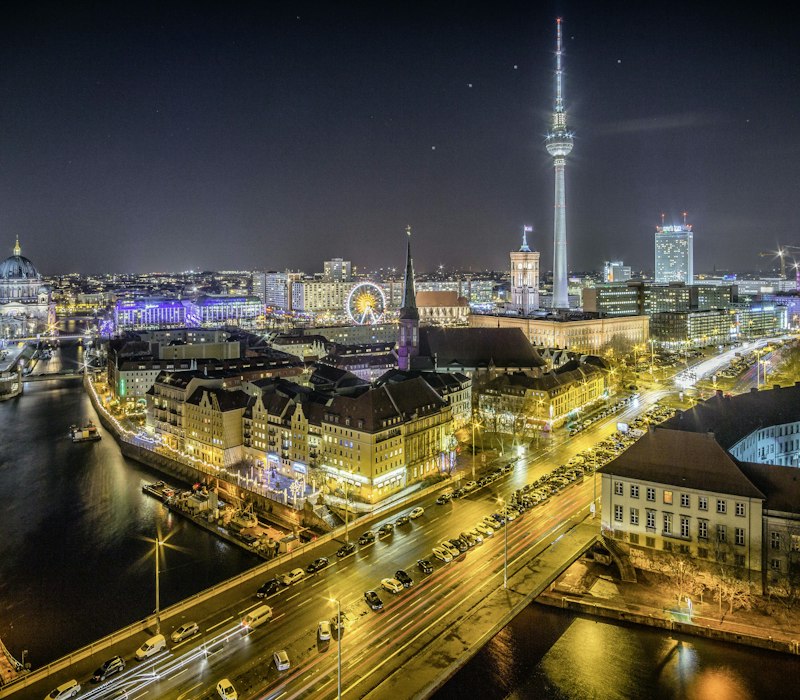
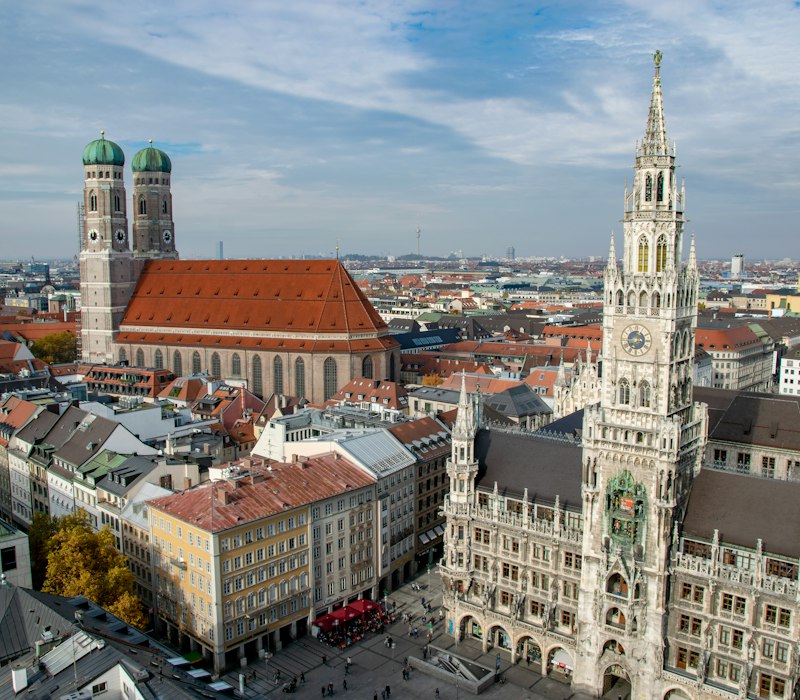
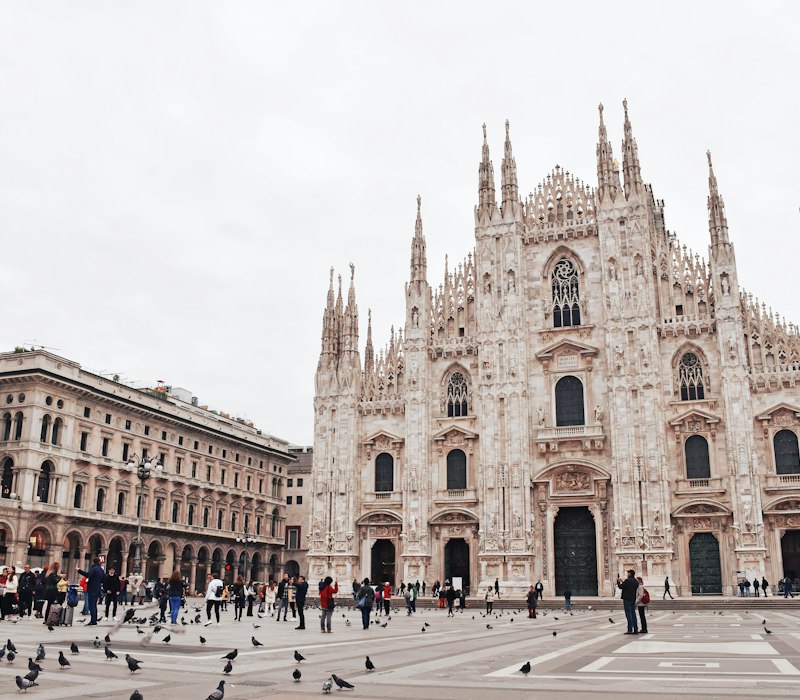
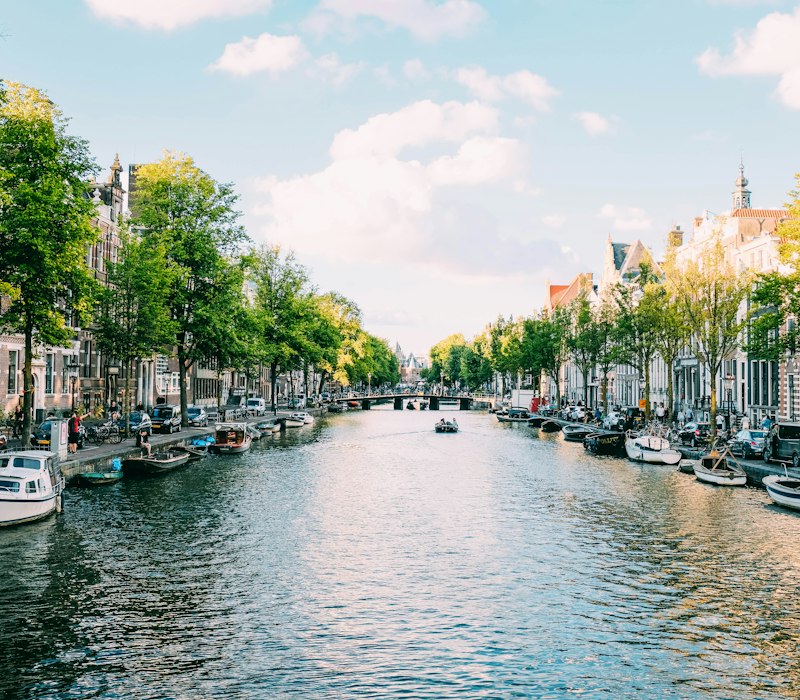
Seven European cities, seven very different student lives
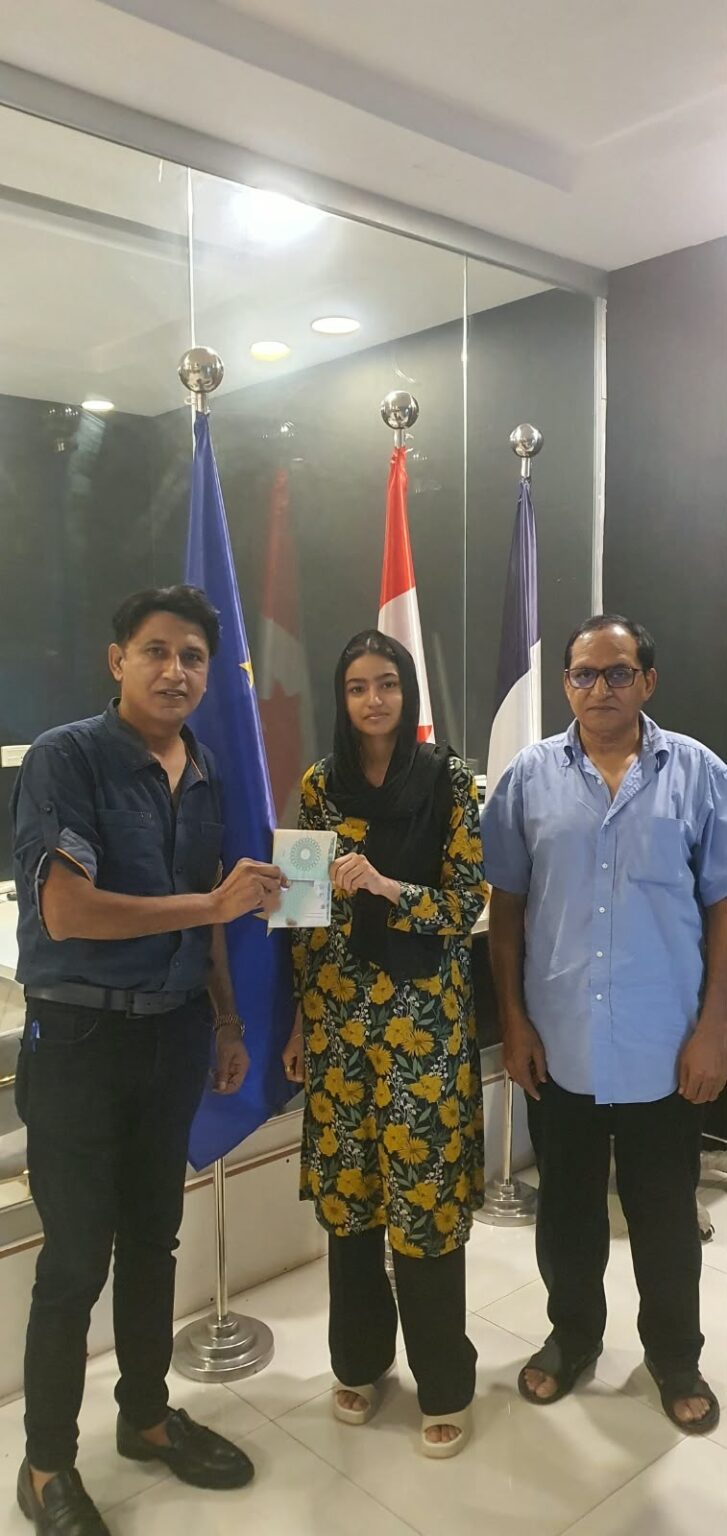
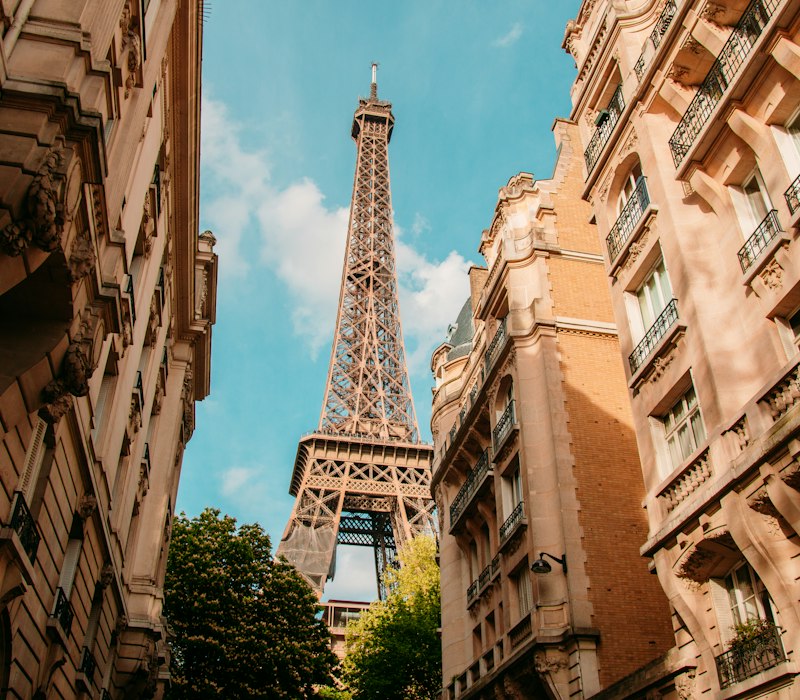
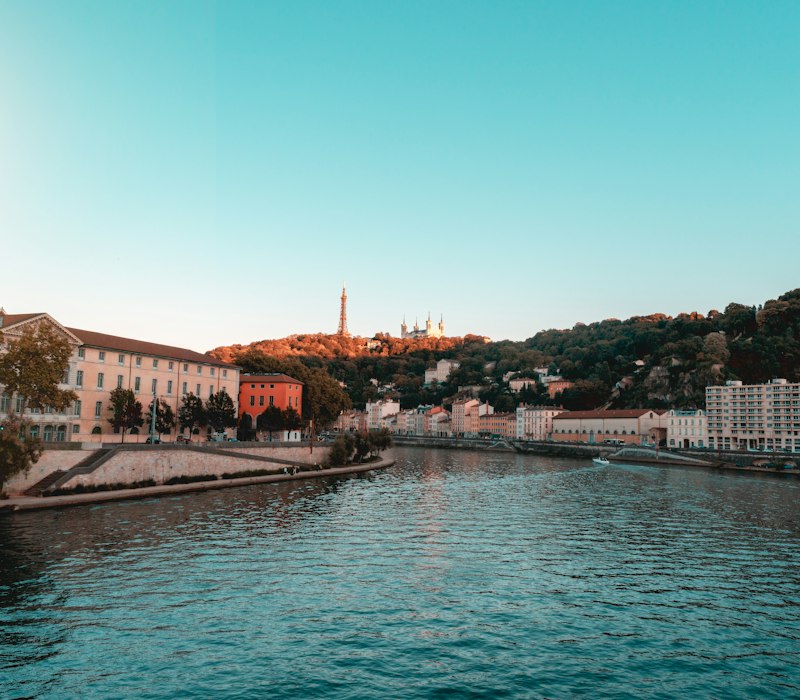
We place students with universities and business schools across Europe, directly and through our partnership platforms. Tap a city to ask what fits your grades and budget.
Europe guides for Pakistani students

What the new decree changed, university by university, and what to budget.
The online file, the service fee and how to prepare for the academic interview.
What the entry and exit system means the first time you land in Europe.
Europe study questions we hear every week
Anything else, ask on WhatsApp. A real adviser replies, not a bot.
Ask your questionIs it still cheap to study in France?
Cheaper than the UK or USA, but not the €250 a year many people remember. From 2027 public universities charge non European students about €3,950 a year for a master’s and €2,902 for a bachelor’s, after a decree ended blanket exemptions. Doctorates stay at about €398.
Is tuition really free in Germany?
At most public universities, yes: you pay only a semester contribution of roughly €150 to €400. The state of Baden Württemberg charges non EU students €1,500 a semester. Private universities charge full fees.
How much money must I show?
For France at least €615 a month for your stay. For Germany a blocked account of €11,904 for the first year, released at €992 a month once you arrive.
What is Campus France?
The French government agency that handles student applications from Pakistan. You create an online file, pay the service fee and attend an academic interview before you apply for the visa.
Can I study in English without learning French or German?
Yes, for most master’s programmes and some bachelor’s. Learning the basics still helps with part time jobs and daily life, and is essential if you want to stay and work afterwards.
Can I work while studying?
In France up to 964 hours a year, about 20 hours a week. In Germany 140 full days or 280 half days a year. Other Schengen countries set similar limits.
How long can I stay after graduating?
France gives master’s graduates a one year permit to look for work. Germany gives 18 months. A job offer can then lead to a work permit or the EU Blue Card.
Can I travel around Europe on my student visa?
Yes. A long stay visa or residence permit from one Schengen country lets you visit the other Schengen countries for up to 90 days in any 180. Ireland is not in Schengen and needs its own visa.
What is the EU entry and exit system?
A digital border register in use since October 2025. Your fingerprints and photo are recorded the first time you enter the Schengen area, replacing passport stamps.
Can my spouse come with me?
In France and Germany a spouse can usually apply to join a student, subject to funds and housing. Rules differ by country and by level of study, so check before you plan.
What if my visa is refused?
Most refusals are about funds, an unclear study plan or a weak Campus France interview. You can appeal or reapply with a stronger file. Bring the refusal letter to your assessment.
Do you submit the visa application for me?
No. You apply and attend biometrics yourself. We prepare your file, your motivation letter and, for France, your Campus France interview.



