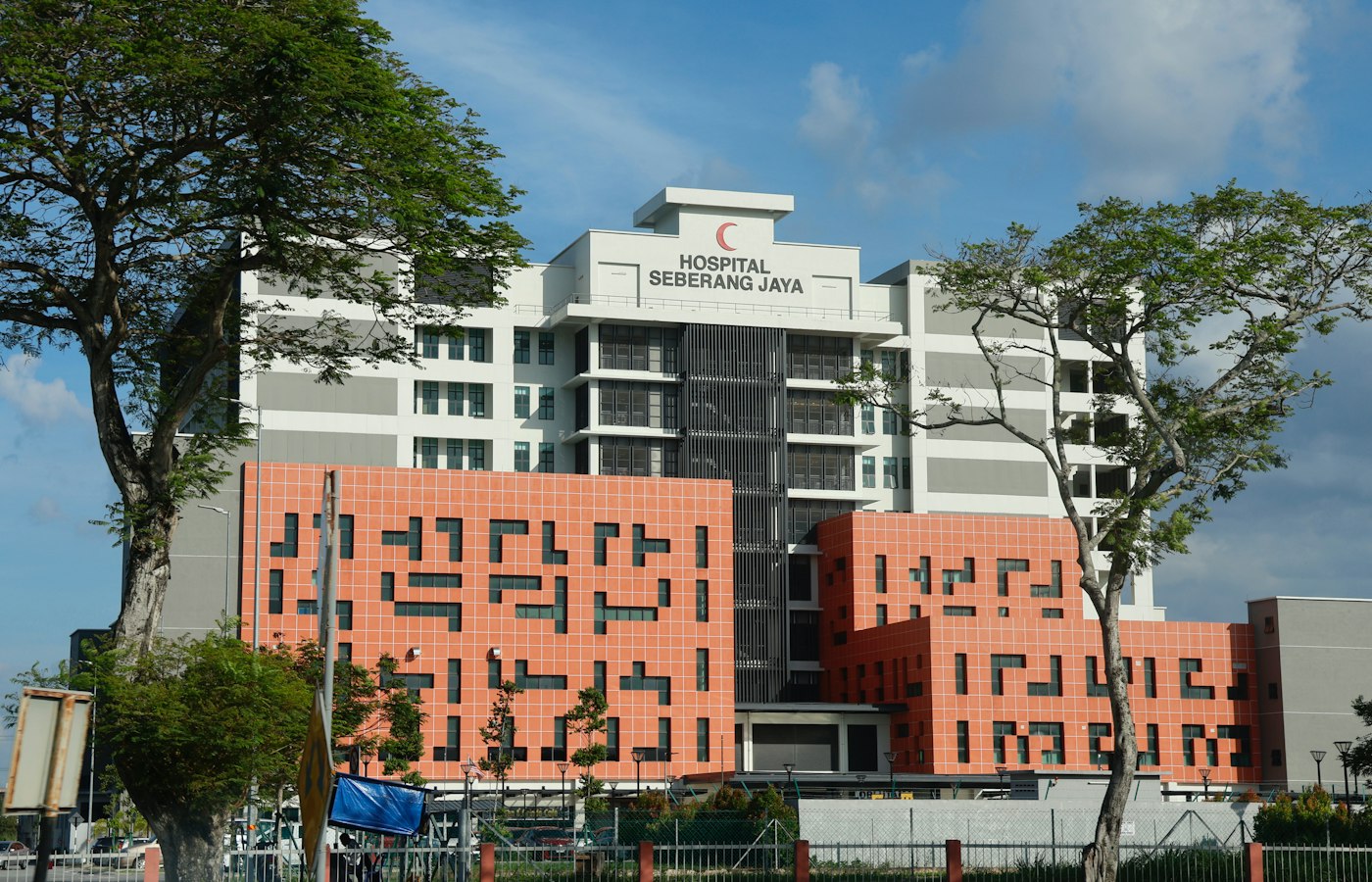
Up to 11 monthsfor private medical treatment visits
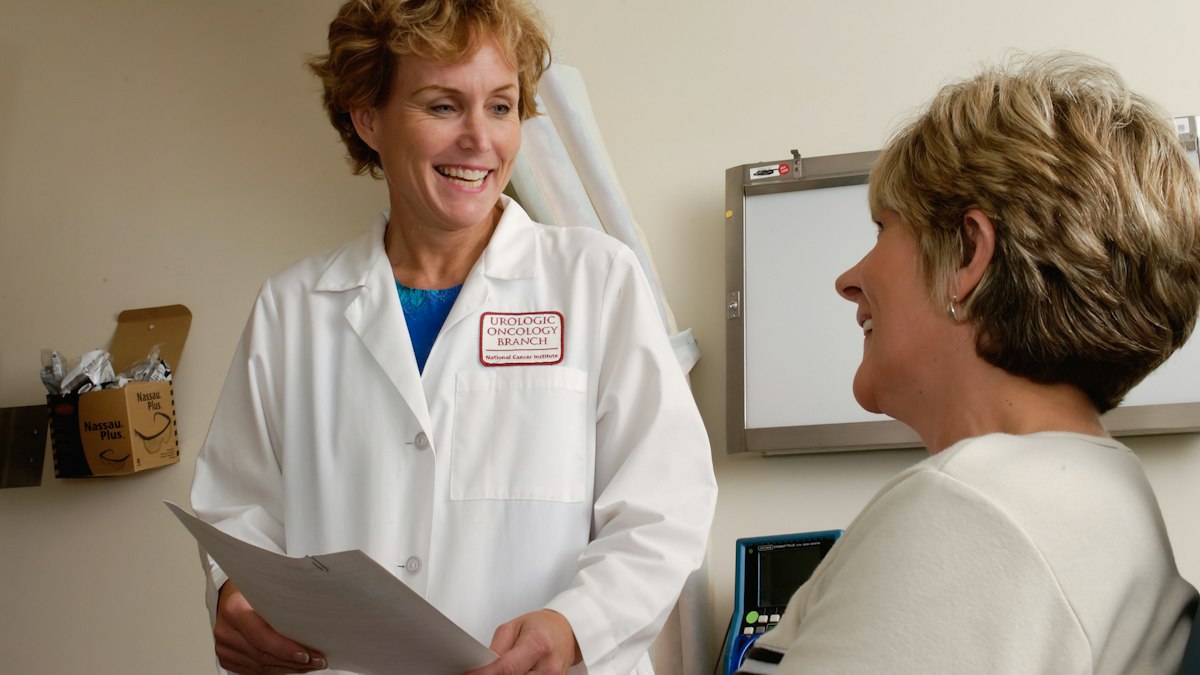
Doctor’s letterfrom the UK hospital or clinic
Fundsto pay for treatment and your stay
Companiona carer can apply alongside you
When you or a loved one needs medical treatment, the UK offers some of the finest hospitals and specialists in the world. And here’s the reassuring news: travelling there for treatment is absolutely possible thousands of families do it every year. With the right preparation, you can too.
World class UK healthcare is within reach, with the right visa preparation.
There’s no separate “UK medical visa”. Instead, you apply through the Standard Visitor Visa, choosing the medical treatment purpose. In this guide, we’ll walk you through everything in plain, simple English what you need, the special medical evidence required, and most importantly, how to avoid the mistakes that get honest applicants rejected. Let’s help you get the care you need.
Who is this guide for?
Anyone in Pakistan planning to travel to the UK for private medical treatment for themselves or a family member. By the end, you’ll know exactly what a strong application looks like and how to build one.
The UK Medical Visitor Visa, Explained Simply
The UK medical visitor route is part of the Standard Visitor Visa. It lets you travel to the UK for up to 6 months to receive private medical treatment. You can use it to:
Receive private medical treatment at a UK hospital or clinic.
Have NHS treatment only if it’s paid for by your own government under a reciprocal healthcare arrangement.
Donate an organ to a family member or close friend (including being assessed as a donor match).
If your treatment is expected to take longer than 6 months, there’s a dedicated medical treatment visitor visa (valid up to 11 months), and extensions are possible from within the UK while treatment continues. For most patients, though, the standard 6 month route is the starting point.
Common treatments people travel to the UK for
Pakistani patients travel to the UK for a wide range of specialist care, including:
Cancer treatment and oncology consultations at leading centres.
Cardiac (heart) procedures and specialist surgery.
Orthopaedic surgery joint replacements and complex procedures.
Neurology and neurosurgery for specialist assessment.
Fertility (IVF) treatment and reproductive care.
Advanced diagnostics and second opinions from UK consultants.
Whatever your treatment, the visa process is the same it all comes down to strong medical evidence, clear funds, and genuine ties to home.
Leading UK medical centres
that international patients often choose include institutions such as
Guy’s and St Thomas’
University College London Hospitals (UCLH)
, and many private hospitals in London and beyond. Your treatment and doctor’s letter must come from a recognised, registered UK provider.
We can help you understand what’s needed
for your chosen hospital.
Important:
This is a visitor route you cannot work, study long term, or claim public funds on it. Always confirm the latest rules on the official
GOV.UK “visit for medical reasons” page
Treatment must be arranged and paid for privately.
Do You Need a Visa? (Yes Here’s Why)
Pakistani passport holders are “visa nationals”, which means you must apply for the Standard Visitor Visa before you travel even for medical reasons. The UK’s Electronic Travel Authorisation (ETA) is only for visa exempt countries, so it does not apply to Pakistan. You’ll apply online and give your biometrics at a visa application centre (VFS) here in Pakistan.
Not sure how this applies to you?Send us your details and a Westside adviser will tell you honestly where you stand. Free 30 minute assessment.
Let’s keep this simple. Here’s what you’ll generally need. We’ll then explain the three most important parts your medical evidence, your ties to home, and your finances, in more detail.
A valid passport, with a blank page and validity covering your trip.
Medical evidence a letter from a UK doctor/consultant confirming your condition, treatment, cost, and duration.
Proof of arrangements that your treatment or consultation is already booked with a named UK provider.
Proof of funds enough to cover the treatment cost and your living costs during the stay.
Proof of ties to Pakistan job, business, property, or family showing you’ll return.
Travel & accommodation plans flights and where you’ll stay.
Clear intent to leave the UK once treatment ends.
Good to know:
If a family member is travelling with you as a helper or carer, each person applies separately as a visitor and must meet the requirements in their own right.
Bring clear medical reports and cost estimates.
Your Medical Evidence The Heart of the Application
This is what makes a medical visit application different and it’s the part you must get exactly right. The visa officer needs to be sure your trip is genuinely for treatment that’s already arranged. Your key document is a letter from a registered UK doctor or consultant that clearly states:
Your medical condition and why treatment is needed.
The treatment or procedure planned, and where it will take place.
The estimated cost of the treatment.
The expected duration of the treatment.
Clear medical evidence and arranged treatment are the heart of your application.
Alongside this, it helps to include supporting reports from your doctor in Pakistan, and any appointment confirmations. Together, these show a clear, credible medical story exactly what the officer is looking for.
The #1 Secret to Approval: Strong Ties to Home
Even for a medical visit, the officer’s biggest question is still: “Will this person go back home after treatment?” That’s why your ties to Pakistan matter so much. The stronger they are, the more confident the officer feels about approving you.
Show the real reasons your life is rooted here and you’ll return once treatment is complete:
Employment a stable job and a return to work plan.
Business ownership registration, tax records, ongoing operations.
Property a home or land in your name.
Family a spouse, children, or dependent parents who rely on you here.
Ongoing care evidence that any follow up care will continue back home in Pakistan.
You don’t need every single one but the more genuine ties you can evidence, the stronger your case. A good consultant helps you present these in the clearest possible way.
A companion can support you during treatment.
Get Your Finances Right Consistency Is Everything
Medical treatment abroad costs money, so the officer pays close attention here. It’s not just about having funds it’s about showing that your money is genuinely yours, available, and consistent with your everyday life.
A strong financial picture for a medical visit shows:
Enough to cover the treatment cost matching the figure in your doctor’s letter.
Enough for your living costs accommodation, food, and daily expenses during the stay.
Steady, believable balances statements that match your declared income.
No sudden large deposits a big lump sum appearing just before you apply is a red flag. If money was gifted or came from a property sale, explain it with proof.
Well organised, consistent financial documents build trust with the visa officer.
The golden rule:
Consistency beats a big balance. A modest but steady, well explained account clearly able to cover both treatment and stay is far stronger than a large sum that appeared out of nowhere. If your numbers tell one clear, honest story, you’re in great shape.
What about travel and health insurance?
While not always mandatory, arranging travel and medical insurance for your trip is a smart move. It shows you’ve planned responsibly and can handle unexpected costs, which reassures the visa officer. It also protects you and your family during the stay. We can advise on what’s sensible for your situation.
Not sure how this applies to your case?
Send us your question on WhatsApp. A Westside adviser in DHA Lahore will reply, Monday to Saturday, 10:00 to 18:00.
Your stay depends on your treatment plan. Here’s how it works in simple terms:
Stay & Extension Options
Standard medical visit
Up to 6 months on the Standard Visitor Visa
Longer treatment
A dedicated medical treatment visa (up to 11 months) if needed
Ongoing treatment
Extensions possible from within the UK, with updated medical & funds evidence
Long term visits
Long term visitor visas (2, 5, 10 years) for repeated treatment trips
Good to know:
If you expect treatment to run long, it’s best to plan the right route from the start. We help you choose the option that fits your treatment plan and your budget.
How to Apply Step by Step
Ready? Here’s the whole journey, start to finish. Take it one step at a time and it’s genuinely manageable even at a stressful time.
Arrange your treatment first Book your consultation or treatment with a UK provider and get your doctor’s letter confirming the condition, cost, duration, and location.
Prepare your documents Gather your passport, medical evidence, funds proof, ties evidence, and travel plans. Getting this right first makes everything else easy.
Apply online on GOV.UK Complete the application on the official GOV.UK apply page and select the medical treatment purpose. You can apply up to 3 months before you travel.
Pay the visa fee Pay online in the application. Always confirm the current fee on GOV.UK on the day you apply, as fees change.
Attend your biometrics appointment Book a slot at your nearest visa application centre (VFS) in Pakistan to give your fingerprints and photo, and submit your documents.
Wait for the decision, then travel Standard processing is around 3 weeks, though it can take longer in busy periods. Apply early don’t leave it to the last minute, especially with treatment dates to meet.
Common Reasons for Rejection, and How to Beat Them First
Understanding rejections is your superpower. Most aren’t random they come from a handful of avoidable issues. Fix these before you apply, and you’re already ahead.
Weak or missing medical evidence
If the medical letter is vague, missing the cost or duration, or the treatment isn’t clearly arranged, the officer can’t be sure the visit is genuine.
Fix it first: Get a detailed letter from your UK provider covering your condition, the exact treatment, where it happens, the cost, and the duration and confirm the appointment is booked.
Not enough funds (or unclear funds)
If you can’t clearly show money to cover both the treatment and your stay, or your funds look inconsistent, it raises doubts.
Fix it first: Keep your accounts steady for months, make sure the balance comfortably covers the treatment figure plus living costs, and provide proof for any large deposit.
Weak ties to your home country
If the officer isn’t convinced you’ll return after treatment, they’ll reject even with strong medical evidence.
Fix it first: Build a clear picture of your job, business, property, and family in Pakistan, and show that follow up care will continue at home.
Documents that don’t match
If your form, medical letter, and financial papers don’t line up, even a date or figure it damages your credibility.
Fix it first: Double check that the treatment cost, dates, and details are consistent across your form, medical letter, and bank statements.
Signs you might seek free NHS care
The medical route is for privately funded treatment. If it looks like you might rely on free NHS care, that’s a problem.
Fix it first: Make it clear your treatment is privately funded (or covered by a reciprocal arrangement) and that you can pay the full cost yourself.
5 Pro Tips to Strengthen Your Application
Want an extra edge? These simple habits make a real difference:
Sort the treatment before the visa Arrange your UK consultation and get the doctor’s letter first the visa application is built around it.
Match your funds to the exact figure Make sure your bank balance clearly covers the treatment cost in the letter, plus your living costs, with room to spare.
Write a clear cover letter Explain your condition, the arranged treatment, how you’ll pay, your ties, and that you’ll return home once treatment ends.
Keep everything consistent Names, dates, costs, and travel plans should match across your form, medical letter, and financial documents.
Apply early Start 4 to 6 weeks ahead so treatment dates aren’t at risk. A calm, complete application always beats a last minute rush.
How Westside Visa Boosts Your Chances of Winning
Here’s the honest truth: no one can “promise” a visa the decision always rests with the UK Home Office. But you can make your application as strong as possible. And that’s exactly where we come in.
At Westside Visa, our consultants in DHA Lahore have helped Pakistani families prepare medical visitor applications with care and precision. We help you:
Organise your medical evidence so it fully meets the UK’s requirements.
Match your funds to the treatment cost and present them consistently.
Present your ties to Pakistan in the clearest, most convincing way.
Spot and fix red flags before you submit, not after a costly rejection.
Prepare a strong cover letter and support family members travelling with you.
From patients to elderly parents, we help families prepare with care.
Think of us as your teammate, on your side, with hands on experience, honest advice, and nominal, transparent fees. At a stressful time, let us take the visa worry off your shoulders so you can focus on getting well.
UK Medical Visitor Visa Quick Facts
Route
Standard Visitor Visa (medical treatment purpose)
Who needs it
Pakistani passport holders (visa nationals)
Max stay
Up to 6 months (longer route available if needed)
Key extra document
UK doctor/consultant letter (condition, cost, duration, location)
Funds needed
Treatment cost + living costs for the stay
Processing
Around 3 weeks (longer in busy periods)
Not allowed
Free NHS care, working, or claiming public funds
Fees and rules change regularly always confirm the latest details on the official GOV.UK medical visit page before applying.
Once you’re well, the UK has so much to offer but health comes first.
Explore More Visa Guides
Planning more than a medical visit? We’ve got you covered:
No. There’s no standalone “medical visa”, you apply through the Standard Visitor Visa and select the medical treatment purpose. For treatment expected to last longer than 6 months, there’s a dedicated longer medical treatment visitor visa.
What medical documents do I need? +
The key document is a letter from a registered UK doctor or consultant confirming your medical condition, the treatment planned, where it will take place, the estimated cost, and the expected duration. Supporting reports from your doctor in Pakistan and appointment confirmations help too.
How much money do I need to show? +
There’s no fixed figure, but you must clearly show enough to cover the full treatment cost (as stated in your doctor’s letter) plus your living costs during the stay. A steady, well explained account is far stronger than a large sum that appears suddenly.
Can a family member travel with me to help? +
Yes, but each person applies separately as a Standard Visitor and must meet the requirements in their own right. We regularly help patients and their carers or family members apply together smoothly.
Can I use the free NHS on this visa? +
No. The medical visitor route is for privately funded treatment (or NHS care paid for by your government under a reciprocal arrangement). You must show you can pay for your treatment yourself, signs that you might seek free NHS care can lead to rejection.
How long does the visa take from Pakistan? +
The standard processing time is around 3 weeks, though it can take longer in busy periods. With treatment dates to meet, we strongly recommend applying at least 4 to 6 weeks in advance.
Does Westside Visa help with medical visa applications? +
Yes, it’s one of our core services. We help you organise your medical evidence, match your funds to the treatment cost, present your ties, and prepare a strong application. We can’t promise a visa (no honest consultant can), but we make sure your case is as strong as possible. Contact us to get started.
This guide is general information from Westside Visa Consultants, not legal advice. Visa rules change often, so always confirm the latest position on the official government website before you apply.
Apply on or before 31 December 2026 and you get 2 years. Apply on or after 1 January 2027 and you get 18 months. The date that matters is the date you submit the application, not the date your course ends.
Fully funded UK master’s and PhD for 2027/28. HEC nominates 26 master’s and 30 PhD candidates. HAT 60, two portals, deadline 20 October 2026 at 4:00 pm.
Already in the UK as a visitor and wondering if you can stay longer or switch to another visa? The honest answer is: it’s possible in some cases, but far more limited than most people think.
Choosing where to do your PhD is one of the biggest decisions of your academic life, and the four leading English speaking destinations each offer something different.
You worked hard for your UK degree now stay and turn it into a career. The Graduate Route (post study work visa) lets you live and work in the UK after graduating, with no job offer and no sponsorship needed.