Cost of Studying and Living in France for Pakistani Students
Good news for Pakistani students: France is one of the most affordable top study destinations in the world, thanks to heavily subsidised public university fees. But smart budgeting still matters.
By the Westside advisers, DHA Lahore · Reviewed September 2026 · 9 min read
One of the first questions every Pakistani student asks is: “Can I actually afford to study in France?” The honest answer is for most students, yes, with good planning. France keeps public university fees remarkably low, and while living costs are real, they’re very manageable compared to the UK, USA, or Australia, especially if you choose your city wisely.
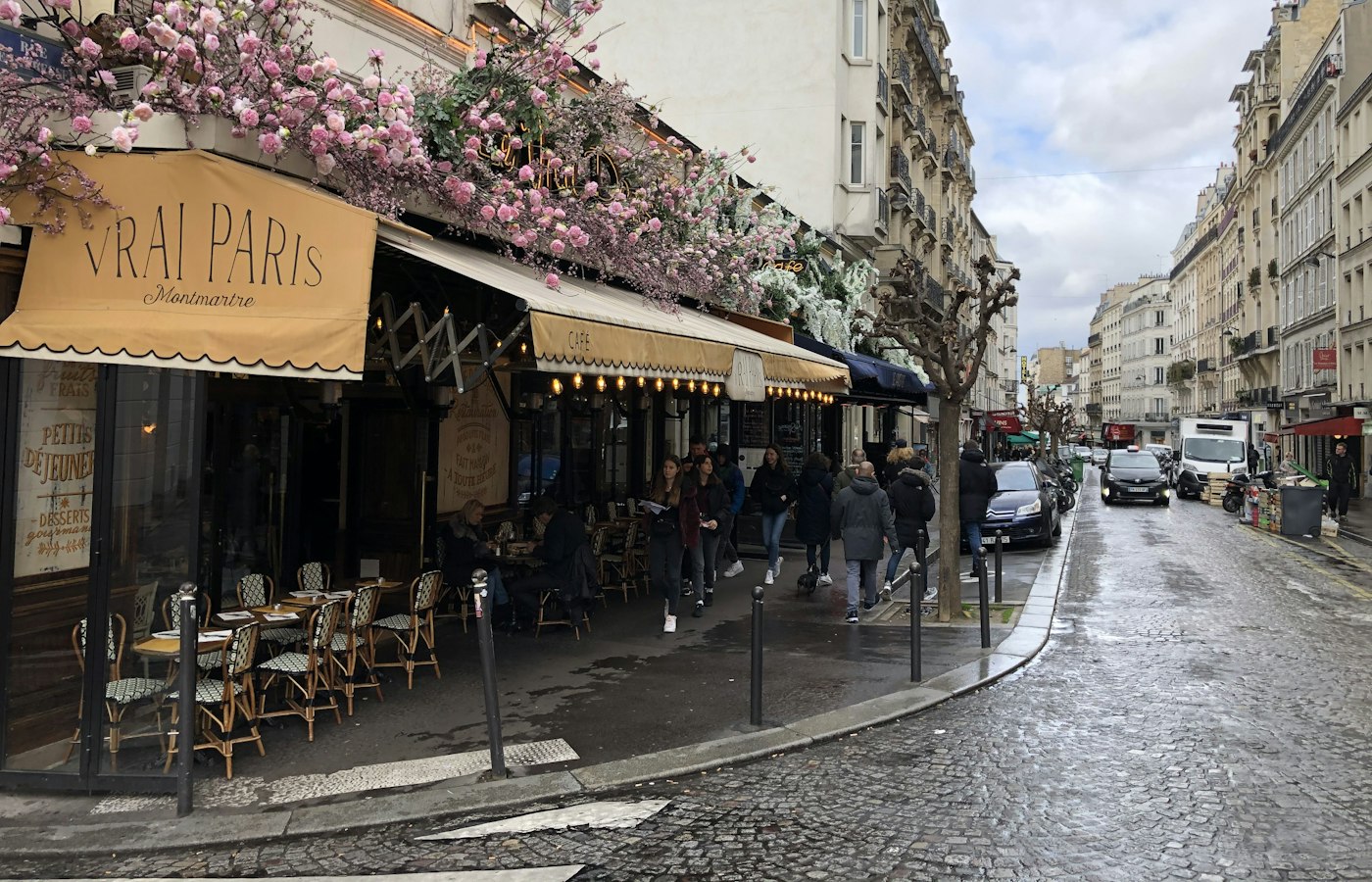
With smart budgeting, France is one of the most affordable top study destinations.
In this guide, we’ll give you a clear, realistic breakdown of every cost tuition, rent, food, transport, and the extras plus how to save money, how much you need to prove for your visa, and the budgeting mistakes that catch students out. Let’s plan your France budget properly.
Who is this guide for?
Pakistani students planning to study in France who want a clear, realistic picture of the total cost and how to make it affordable.
Why Studying in France Is So Affordable
Here’s the secret: French public universities don’t charge full tuition the way American or British ones do. The French government subsidises around two thirds of the actual cost of education for every student including international students. You pay only “registration fees” (droits d’inscription), which are a fraction of the real cost.
Heavily subsidised public fees among the lowest of any top study destination.
Government housing aid (CAF) reduces your rent, even for international students.
Subsidised student services cheap CROUS housing and canteen meals.
The right to work part time to support your living costs.
Food and transport are cheaper outside Paris.
Tuition Fees What You’ll Actually Pay
Tuition depends heavily on whether you choose a public university or a private institution / business school (Grande École):
Public Bachelor’s
~€2,770 to 2,900/yr
Differentiated fee for non EU students at public universities.
Public Master’s
~€3,770 to 3,900/yr
Differentiated fee for non EU Master’s at public universities.
PhD
~€380/yr
Doctoral registration fees are low for everyone, including internationals.
Grandes Écoles / Private
Several €1,000s €20,000+/yr
Business schools and private institutions set their own, higher fees.
Scholarships can slash this:
Your “real” fee is what you pay
after
scholarships. Programs like the Eiffel Excellence Scholarship and others can dramatically reduce or even eliminate tuition, so always ask “what’s my net fee after scholarships?”
Not sure how this applies to you?Send us your details and a Westside adviser will tell you honestly where you stand. Free 30 minute assessment.
Living costs are usually the bigger part of your budget. As a general guide, international students need roughly €800 to €1,200 per month in most cities, and €1,200 to €1,800 per month in Paris (mostly because of higher rent).
A typical monthly breakdown outside Paris might look like:
Rent the biggest cost (much lower with CROUS or CAF support).
Food & groceries around €150 to €350 depending on how you eat.
Transport a student monthly pass, often €30 to €75.
Utilities & phone internet, electricity, mobile plan.
Leisure & personal some budget for social life and essentials.
Rent is the biggest monthly cost for students.
City by City: Where You Study Changes Everything
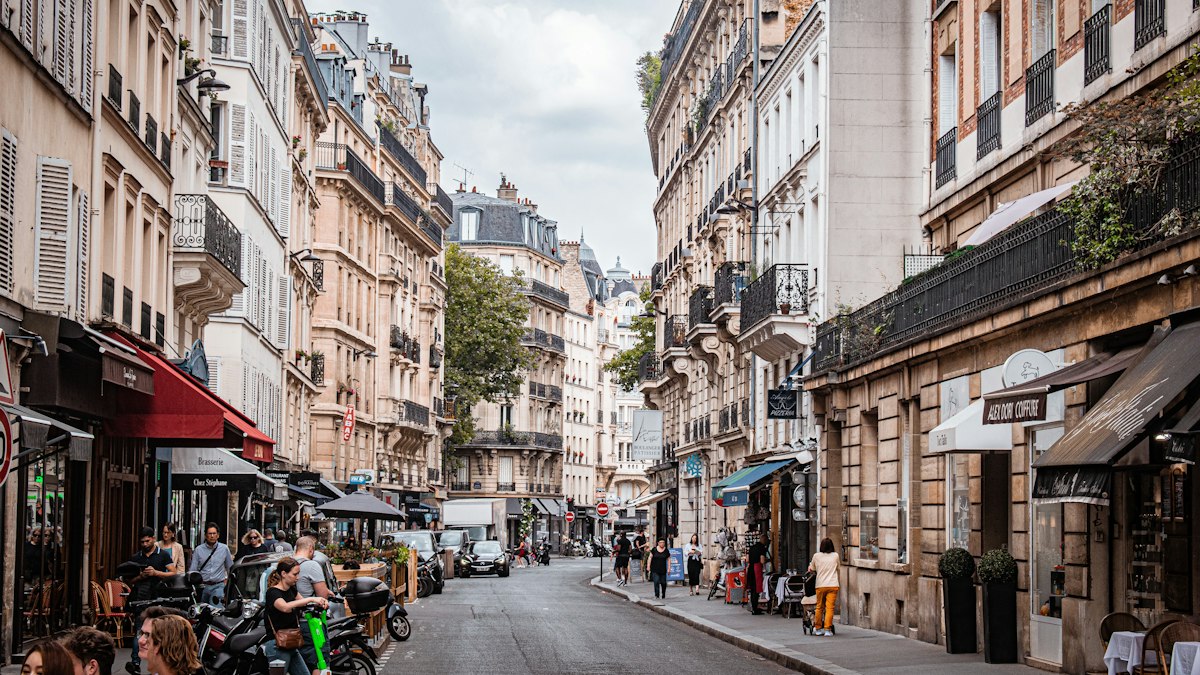
Your choice of city changes your budget dramatically, from Paris to affordable Lille.
Two students paying the same tuition can have very different budgets purely based on their city. Here’s a rough monthly living cost comparison:
City
Monthly living cost
Vibe
Paris
€1,200 to €1,800
Capital, highest rent, most opportunities
Lyon
€800 to €1,100
Big student city, strong balance
Toulouse
€700 to €1,000
Affordable, aerospace & tech hub
Lille
€600 to €900
Among the cheapest, big student population
Montpellier
€700 to €1,000
Sunny, affordable, popular with students
Bordeaux
€800 to €1,100
Attractive, moderate costs
The “Paris tax” is real:
A small studio in Paris can cost as much as a two bedroom flat in Bordeaux. If budget is your priority, cities like Lille, Toulouse, and Montpellier offer excellent universities at far lower living costs.
Housing & CROUS Your Biggest Saving Opportunity
Rent is where you’ll spend the most and also where you can save the most. Your main options:
CROUS student housing government student residences, roughly half the price of private rentals. Apply early demand is high.
Private student residences, furnished, with WiFi (Nexity, Studapart and similar), often €700 to €1,100/month.
Colocation (shared flat) sharing an apartment is a classic way to cut costs.
CAF housing subsidy the French housing aid pays eligible students around €100 to €250/month, cutting your effective rent. It applies to international students too.
Apply for CROUS & CAF early:
These two together can cut your housing costs dramatically. CROUS rooms are limited and fill quick, and CAF meaningfully lowers your monthly rent don’t miss out by applying late.
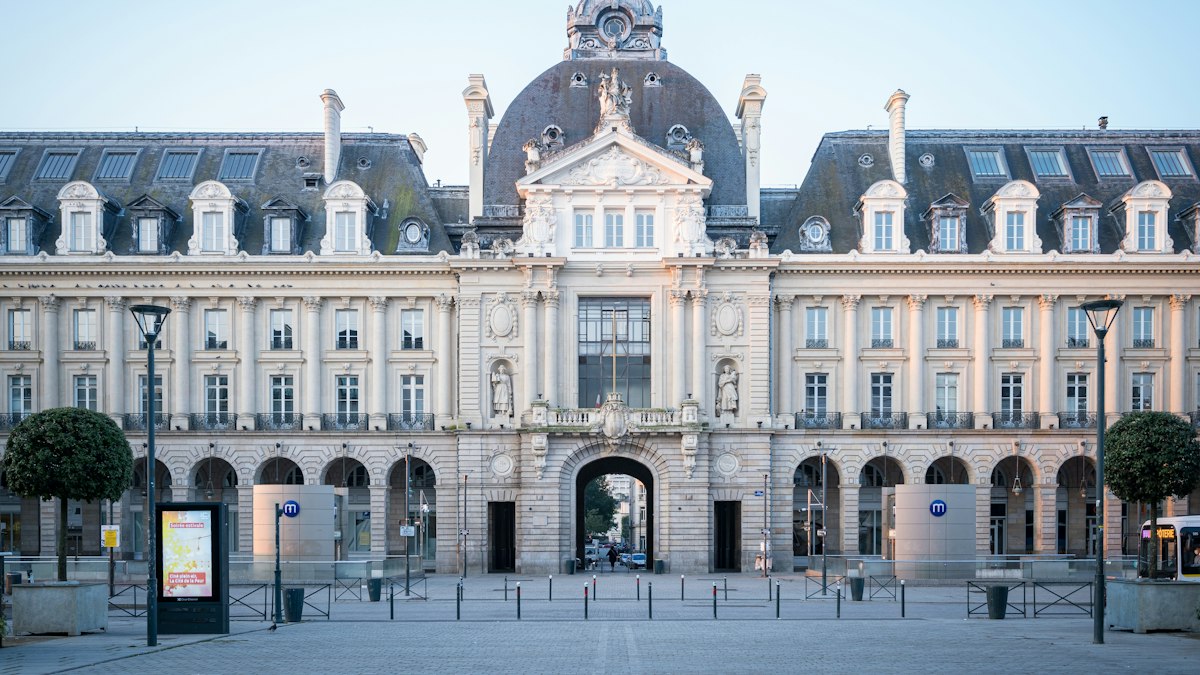
Regional cities like Rennes give you more for your money.
Food, Transport & Daily Extras
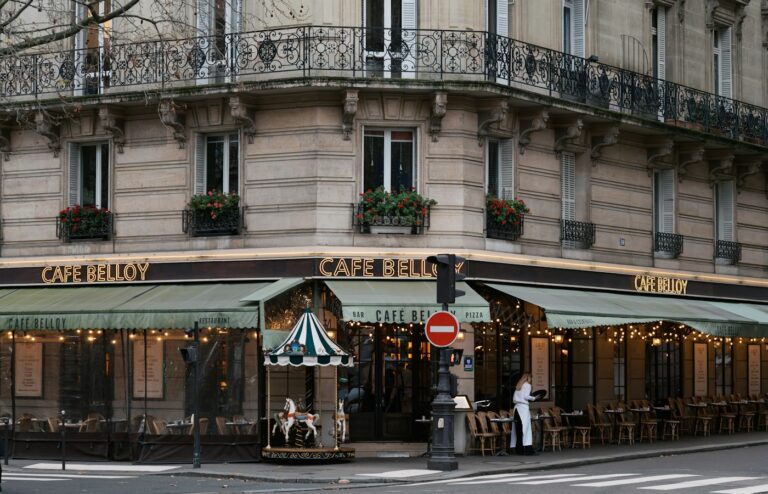
Cooking at home and CROUS canteens keep food costs low, with cafes for the occasional treat.
Food
Groceries around €150 to €350/month if you cook at home (Lidl, Carrefour, local markets are cheapest).
CROUS / university canteens (RU) heavily subsidised meals for eligible students, far cheaper than eating out.
Eating out an inexpensive meal is about €10 to €15; a mid range three course meal €25 to €40; coffee €2 to €4.
Transport
Student monthly passes with student discounts, roughly €30 in smaller cities up to around €75 to €86 in Paris.
Cycling city bike schemes (like Vélib) cost only a few euros a month.
Walking many student cities are compact and walkable.
Hidden & One Time Costs to Remember
Beyond the monthly basics, budget for these one time or occasional costs so nothing surprises you:
CVEC a mandatory student life contribution of around €100+ per year.
Visa & residence permit the long stay student visa (VLS TS) validation fee and related costs.
Campus France fee the mandatory application processing fee.
Health insurance / social security student health cover.
Housing deposit usually one month’s rent upfront.
Flights & setup your ticket, initial supplies, and first month cushion.
Not sure how this applies to your case?
Send us your question on WhatsApp. A Westside adviser in DHA Lahore will reply, Monday to Saturday, 10:00 to 18:00.
Part time work (up to 964 hours a year) helps cover your day to day costs.
A big help: as an international student, you’re allowed to work up to 964 hours per year (around 20 hours a week during term). At the French minimum wage, this can cover a meaningful chunk of your living costs.
Up to 964 hours/year roughly 20 hours per week during study.
Full time in holidays you can work more during university breaks, within the annual limit.
Covers day to day costs often food, transport, and personal expenses, especially outside Paris.
Don’t rely on work for everything:
Part time work is a helpful top up, not a substitute for proper funds. For your visa, you must still prove you can support yourself without depending on a job. Treat work income as a bonus, not your main plan.
How to Save Money as a Student in France
Choose an affordable city Lille, Toulouse, Montpellier over Paris can save hundreds a month.
Apply for CROUS housing early roughly half the cost of private rentals.
Claim CAF housing aid cut your rent by €100 to €250/month.
Eat at CROUS canteens & cook subsidised meals and home cooking beat eating out.
Use student discounts transport, museums, software, and more.
Chase scholarships even partial ones ease your budget significantly.
Proving Your Funds for the Visa
For your student visa, you must prove you can support yourself. France generally expects you to show around €615 per month (about €7,380 per year) in available funds though showing a comfortable buffer above this is always wiser.
The benchmark roughly €615/month (€7,380/year) as a guide.
Consistency is key steady, genuine bank statements matter more than a sudden lump sum.
Show a buffer a little above the minimum reassures the visa officer.
Clear sources funds should be traceable and properly documented.
Sudden deposits are a red flag:
A large amount appearing in your account just before applying raises doubts. Build and show your funds steadily over time. Consistent, well documented finances are one of the strongest parts of a student visa application.
Quick Cost Facts
France Study Costs Key Numbers (2026)
Public Bachelor’s tuition
~€2,770 to 2,900/year (non EU)
Public Master’s tuition
~€3,770 to 3,900/year (non EU)
PhD
~€380/year
Private / Grandes Écoles
Several €1,000s up to €20,000+/year
Living cost (most cities)
€800 to €1,200/month
Living cost (Paris)
€1,200 to €1,800/month
Groceries
€150 to €350/month
Transport pass
~€30 to €86/month (student rates)
CAF housing aid
~€100 to €250/month reduction
CVEC (annual)
~€100+
Part time work
Up to 964 hours/year
Funds to prove (visa)
~€615/month (€7,380/year)
Budget Mistakes That Catch Students Out
Money problems can derail your studies or even your visa. Avoid these common mistakes:
Underestimating rent (especially Paris)
Assuming a low budget works in Paris leads to a nasty shock, since rent is the single biggest cost.
Fix it first: Research real rents in your city, and strongly consider affordable cities and CROUS housing.
Showing sudden funds for the visa
A large deposit appearing just before applying is a top reason for visa doubts and rejections.
Fix it first: Build your funds steadily and show consistent, genuine bank statements over time.
Forgetting one time costs
CVEC, deposits, insurance, flights, and setup costs add up and can blow an unplanned budget.
Fix it first: Budget a clear buffer for one time and setup costs on top of your monthly figure.
Relying on part time work to survive
Counting on a job to cover essentials is risky hours are limited and work isn’t assured.
Fix it first: Plan to fund your studies without work, and treat any earnings as a helpful extra.
Missing CROUS, CAF & scholarships
Not applying for housing aid or scholarships means paying far more than you need to.
Fix it first: Apply for CROUS, CAF, and every scholarship you’re eligible for early.
How Westside Visa Helps You Plan & Afford France
Good planning turns an intimidating budget into an achievable plan.
Money is one of the most important and most stressful parts of studying abroad. The good news is that France is genuinely affordable with the right planning, and that’s exactly where we come in.
At Westside Visa, our consultants in DHA Lahore help Pakistani students plan and afford their France journey. We help you:
Build a realistic budget for your specific city, course, and lifestyle.
Choose affordable options cities, universities, and housing that fit your budget.
Find scholarships to reduce your tuition and living costs.
Prepare your proof of funds presented correctly and consistently for the visa.
Plan CROUS, CAF & work so you make the most of every saving.
Avoid financial red flags that could threaten your visa.
Whether you’re aiming for an affordable public university or a top business school, we help you make the numbers work honestly and realistically. Think of us as your teammate experienced, transparent, and fully on your side.
With the right city, housing, and scholarships, studying in France is more affordable than you think. Westside Visa helps you plan every rupee and euro, with honest, expert advice you can trust.
How much does it cost to study in France as a Pakistani student? +
At a public university, tuition is roughly €2,770 to 2,900/year for a Bachelor’s and €3,770 to 3,900/year for a Master’s, plus living costs of about €800 to €1,200/month in most cities (€1,200 to €1,800 in Paris). Private business schools cost much more. With CROUS housing, CAF aid, and scholarships, the total can be very manageable.
Which are the cheapest cities to study in France? +
Cities like Lille, Toulouse, Montpellier, and Saint-Étienne offer the lowest living costs while still having strong universities and large student populations. A student in Lille can live on roughly €600 to €900/month after CAF support, compared to €1,200 to €1,800 in Paris.
How much money do I need to prove for the visa? +
France generally expects you to show around €615/month (about €7,380/year) in available funds for your student visa. It’s wise to show a comfortable buffer above this, with consistent, genuine bank statements rather than a sudden lump sum.
Can I work while studying in France? +
Yes. International students can work up to 964 hours per year (around 20 hours a week during term), with more allowed during holidays within that limit. It’s a helpful top up for living costs, but you shouldn’t rely on it to cover everything your visa still requires proof you can support yourself.
What is CAF and can international students get it? +
CAF is the French housing aid body. It pays eligible students a monthly housing subsidy typically €100 to €250 depending on rent and city and it applies to international students too, not just French nationals. It can meaningfully reduce your effective rent.
Are scholarships available to reduce costs? +
Yes. Scholarships like the Eiffel Excellence Scholarship, France Excellence, Erasmus+, and university specific awards can significantly reduce or even eliminate tuition, and some support living costs. Always calculate your “net fee after scholarships” it can change everything.
Does Westside Visa help with budgeting and funds? +
Yes from building a realistic budget for your city and course to finding scholarships, planning CROUS and CAF, and preparing your proof of funds correctly for the visa. Contact us to plan your France budget properly.
This guide is general information from Westside Visa Consultants, not legal advice. Visa rules change often, so always confirm the latest position on the official government website before you apply.
Saad was living in Tbilisi and felt stuck. Westside handled his KEDGE Business School admission and French student visa from Lahore. Why France beats Georgia for 2027.
Here’s the hard truth every Pakistani applicant needs to hear: weak or unclear proof of funds is the number one reason France visas get rejected. The good news?
One visa, 29 European countries. A France Schengen visa opens the door to Paris, and to Germany, Italy, Spain, and beyond. But with Pakistan facing one of the world’s highest rejection rates, how you apply matters more than ever.
Family belongs together. If you or your spouse is building a life in France, French law gives you real routes to reunite whether you’re joining a French citizen or a family member already settled there.
The Campus France interview is the make or break moment of your France study journey, no interview, no visa. But here’s the good news: it’s not designed to fail you. It’s there to confirm you’re a genuine, well prepared student.
Want to live in France for more than 90 days without working as a retiree, a financially independent person, or a second home owner? The Long Stay Visitor Visa (VLS TS visiteur) is your route.
A France visa rejection stings but it’s not the end of the road. There’s no automatic ban and no mandatory waiting period. What matters is understanding exactly why you were rejected, fixing the real issue, and coming back stronger.
A world class European education at surprisingly affordable public university fees, plus access to 29 Schengen countries no wonder France is booming with Pakistani students. But there’s one step you can’t skip: Campus France.