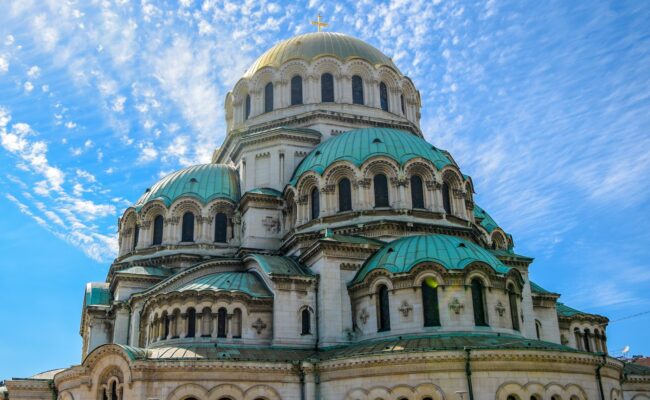
€7,000 to €8,000a year in tuition at many medical universities
6 yearsthe usual length of the medical degree
No MDCATbut there is a university entrance exam
Englishtaught medical programmes are available
For thousands of Pakistani students, medicine is the dream, but at home the MDCAT competition is brutal and private fees are staggering. That’s why more families are looking at MBBS in Bulgaria for Pakistani students: a 6 year, fully English medium medical degree from an EU university, at a fraction of Western or private costs, with no MDCAT required. It’s a genuine opportunity, but it deserves an honest guide, not a sales pitch. Here’s the real picture for 2027/2028.
MBBS in Bulgaria offers a 6 year, English medium, EU recognised medical degree.
We’ll cover why Bulgaria works for medicine, the honest realities, eligibility and the entrance exam, the 6 year structure, top medical universities, fees, the admission process, EU recognition, and, crucially, whether your degree is valid back in Pakistan. Let’s look clearly at your path to becoming a doctor.
The Bulgaria MBBS advantage:
An EU + Schengen medical degree, taught full in English, following EU standards and the ECTS system, recognised across Europe, at an affordable tuition, with no MDCAT to clear.
Why Choose Bulgaria for MBBS?
Bulgaria has quietly become one of Europe’s most popular MBBS destinations for international students. The reasons are strong:
EU member & Schengen a European medical degree with EU academic standards and Schengen mobility.
full English medium the entire 6 year program is taught in English.
Globally recognised follows EU standards and the ECTS credit system.
Affordable tuition of around €7,000 to €8,000 a year, far below Western or private options.
Strong clinical training hands on hospital experience is central to the course.
No MDCAT Bulgaria doesn’t require Pakistan’s MDCAT to enter medicine.
An EU degree without the extremes:
You get a recognised European medical qualification without the sky high tuition of Western Europe or the MDCAT bottleneck at home. For committed medical students, that’s a compelling combination.
Check recognition by the PMDC before you choose a university.
The Honest Reality of Studying Medicine in Bulgaria
Medicine deserves honesty, so let’s be clear about what MBBS in Bulgaria really involves before you commit:
It’s a 6 year program including your internship year; a serious, long commitment.
There’s an entrance exam most universities test Biology and Chemistry (no MDCAT, but not automatic entry).
It’s demanding medicine is rigorous everywhere; you’ll work hard throughout.
Recognition must be checked verify PMDC/PMC rules before committing if you plan to practise in Pakistan.
It’s a real, affordable path genuine and achievable for committed, well prepared students.
Beware “assured, easy MBBS” claims:
Some agents promise effortless admission and assured seats. Medicine in Bulgaria is affordable and English taught, but it’s a serious degree with an entrance exam and real study. Trust honest guidance, not sales hype.
Not sure how this applies to you?Send us your details and a Westside adviser will tell you honestly where you stand. Free 30 minute assessment.
Bulgaria’s entry requirements for medicine are clear and achievable for strong science students:
12 years of schooling FSc pre medical or A Level with the right subjects.
Physics, Chemistry & Biology the core science subjects are essential.
Good marks solid grades in your science subjects (minimums vary by university).
English ability since the program is in English; some universities assess this at admission.
Age & documents meet the university’s age and documentation requirements.
The first years are science heavy, so prepare well.
No MDCAT, But There Is an Entrance Exam
Here’s a key point that attracts many Pakistani students: Bulgaria does not require the MDCAT. But that doesn’t mean automatic entry:
No MDCAT needed you don’t need to clear Pakistan’s MDCAT for a Bulgarian medical university.
An entrance exam instead most universities set their own exam, usually in Biology and Chemistry.
Or an academic evaluation some assess your academic record instead of a formal exam.
Preparation matters a strong grasp of Biology and Chemistry is your key to passing.
The MDCAT relief is real, but prepare:
Skipping the MDCAT is a genuine advantage, but you still need to pass the university’s entrance exam or evaluation. Prepare your Biology and Chemistry well, and we can guide you to universities whose entry route suits your profile.
MBBS Course Structure in Bulgaria (6 Years)
The 6 year program moves from pre clinical science to hands on hospital training.
The Bulgarian medical degree follows the European model over six years:
Pre clinical years The early years build your foundation in anatomy, physiology, biochemistry, and the basic medical sciences.
Clinical years You move into clinical subjects and hands on hospital training, learning diagnosis and patient care.
Internship year The final year is a practical internship, consolidating your clinical skills before graduation.
Your medical degree You graduate with an EU standard medical degree (built on the ECTS credit system), taught throughout in English.
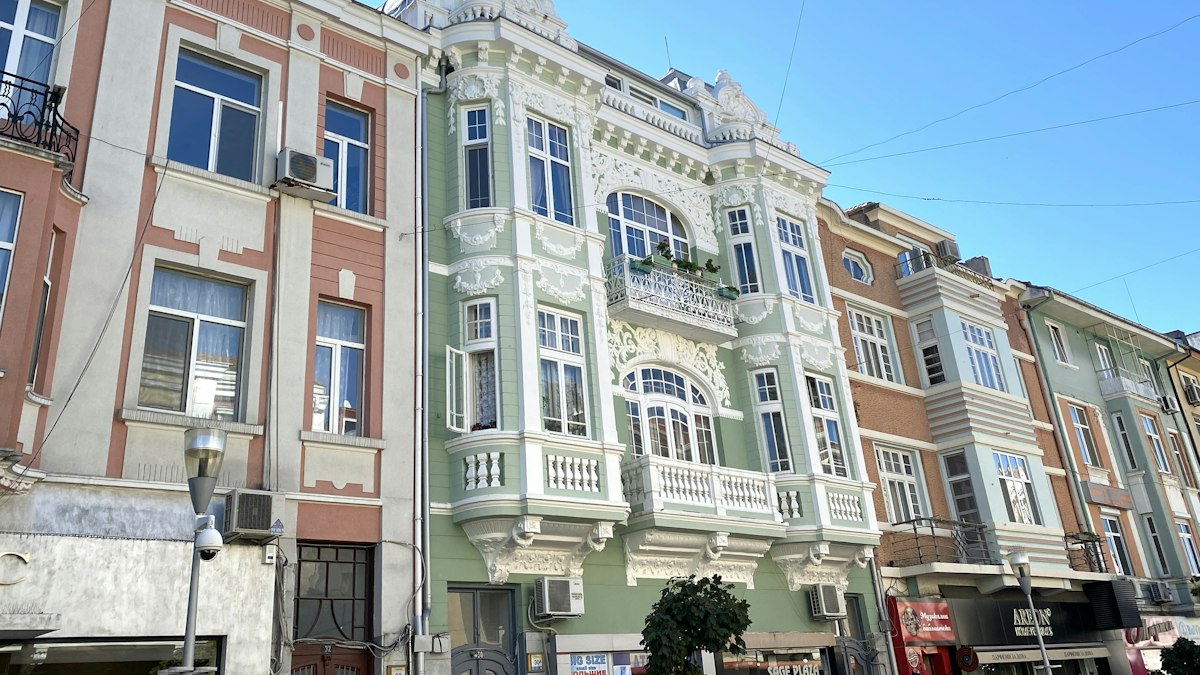
Varna, Sofia and Plovdiv host the main medical universities.
Best Medical Universities in Bulgaria
Bulgaria has several respected English medium medical universities.
Bulgaria has several respected, English medium medical universities popular with international students:
Medical University of Sofia
The capital’s leading medical school, long established with strong clinical facilities.
Medical University of Plovdiv
A popular choice for international students, with a well developed English program.
Medical University of Pleven
Known for its English medium medical education and modern facilities.
Medical University of Varna
On the Black Sea coast, offering English taught medicine and dentistry.
Sofia University “St. Kliment Ohridski”
Bulgaria’s most prestigious university, with a Faculty of Medicine.
Choose on fit, not just name:
Compare entrance routes, fees, city, and clinical facilities. We help you shortlist recognised medical universities that match your profile and give you the best admission chance.
MBBS in Bulgaria Fees & Living Costs
Affordability is a major reason Pakistani students choose Bulgaria for medicine:
Cost
Approximate amount
Tuition (medicine/dentistry)
€7,000 to €8,000 per year
Living costs
€400 to €650 per month
Type D visa fee
~€100
Proof of funds
~€3,000 to €4,000/yr + tuition
Far cheaper than the alternatives:
An EU medical degree at €7,000 to €8,000 a year is dramatically less than private medical colleges in Pakistan or medicine in Western Europe, and you gain EU recognition too. See our
Bulgaria student visa guide
for the full visa process.
Step by Step MBBS Admission Process
Here’s the full journey from application to arriving as a medical student in Bulgaria:
Choose your medical university & apply online Shortlist recognised English medium medical universities and submit your application with your documents.
Sit the entrance exam or evaluation Pass the university’s Biology and Chemistry entrance exam (or academic evaluation).
Receive your offer & pay the tuition deposit Once admitted, you’ll get an official offer letter and pay part of the tuition to secure your seat.
Attest, apostille & translate your documents Get your academics attested (with the extra medical step), apostilled, and translated into Bulgarian.
Apply for the Type D student visa Submit your visa file at the Bulgarian Embassy in Islamabad, then travel and apply for your residence permit on arrival.
Not sure how this applies to your case?
Send us your question on WhatsApp. A Westside adviser in DHA Lahore will reply, Monday to Saturday, 10:00 to 18:00.
Your MBBS application file needs the standard student documents plus medical specific ones:
Passport valid, with blank pages.
Matric & FSc (pre medical) certificates with science transcripts.
Entrance exam result from the university’s Biology/Chemistry exam.
University acceptance/offer letter and tuition payment receipt.
Bank statement genuine proof of funds.
Medical fitness certificate showing good health.
Police clearance certificate (PCC) no criminal record.
EU valid health insurance for your stay.
Passport photos in the required format.
Attested documents attested, apostilled, and translated into Bulgarian.
EU Recognition of Your Bulgarian Medical Degree
A big advantage of a Bulgarian MBBS is its recognition across Europe:
Certificate of Conformity an official EU document (under Directive 2005/36/EC) confirming your training meets EU standards.
Automatic EU recognition allows your qualification to be recognised across the EU, EEA, and Switzerland.
Good Standing Certificate confirms you’re licensed and have a clean professional record for licensing elsewhere.
ECTS credits your degree uses the European credit system, supporting mobility.
Europe opens up:
With the Certificate of Conformity, a Bulgarian medical degree is recognised across the EU, giving graduates real mobility to work as doctors across Europe (subject to each country’s licensing).
Is an MBBS From Bulgaria Valid in Pakistan?
Always verify PMDC/PMC recognition before committing to your medical degree.
This is the most important question if you plan to practise back home, so treat it carefully:
Verify with PMDC/PMC confirm how a Bulgarian medical degree is recognised for practising in Pakistan.
Check licensing requirements you may need to meet local licensing or pass an examination (such as the NLE).
Recognised institutions matter degrees from properly recognised universities are generally accepted, but confirm current rules.
Verify before you commit recognition rules can change; check early to protect your years of study.
Never skip the recognition check:
A world class Bulgarian degree only serves your goals if it’s recognised where you’ll practise. Before committing six years, verify the current PMDC/PMC recognition and any licensing exam. We help you confirm this upfront.
Attestation for Medical Degrees (an Extra Step)
Medical documents need an additional attestation compared to other fields. Get the order right:
School documents Matric and FSc attested by IBCC first.
Medical degrees attested by HEC AND the Ministry of National Health Services (the extra medical step).
Then MOFA apostille the final government seal for international use.
Then Bulgarian translation a sworn translation into Bulgarian.
The medical attestation is stricter:
Because medical qualifications need the Health Ministry step too, start early and follow the exact order. This is a common place applications stall. We map the full chain for you.
Medical applications fail for avoidable reasons. Fix these before you apply:
Weak or inconsistent proof of funds
A thin bank statement or a sudden deposit before applying raises immediate doubt at the visa stage.
Fix it first: Show genuine, consistent funds covering tuition and living costs, built over time.
Attestation errors (medical step missed)
Skipping the Health Ministry step, or an out of order chain, gets documents rejected.
Fix it first: Attest via IBCC/HEC + Health Ministry → MOFA apostille → Bulgarian translation.
Failing or skipping the entrance exam
Assuming automatic entry, or under preparing for the Biology/Chemistry exam, ends your admission.
Fix it first: Prepare thoroughly for the entrance exam and target universities that fit your level.
Not verifying Pakistan recognition
Committing years without checking PMDC/PMC recognition can leave you unable to practise at home.
Fix it first: Verify recognition and any licensing exam before you commit to the program.
Incomplete or wrong documents
A missing medical certificate, PCC, or wrong photo format can stall your visa.
Fix it first: Use the full medical checklist and confirm every specification before submitting.
Applying too late
Medical attestation takes longer; starting late risks missing the intake entirely.
Fix it first: Begin months ahead so the entrance exam, attestation, and visa all fit comfortably.
Quick Facts: MBBS in Bulgaria
MBBS in Bulgaria 2027/2028, Key Facts
Program length
6 years (incl. internship)
Language
full English medium
MDCAT required?
No (university entrance exam instead)
Entrance exam
Biology & Chemistry (varies)
Tuition
€7,000 to €8,000 per year
Top universities
Sofia, Plovdiv, Pleven, Varna
EU recognition
Certificate of Conformity (Directive 2005/36/EC)
Pakistan recognition
Verify with PMDC/PMC
Visa
Type D student visa
How Westside Visa Helps You Pursue MBBS in Bulgaria (Honestly)
Honest guidance turns a big medical commitment into a clear, confident plan.
Here’s the honest truth: MBBS in Bulgaria is a wonderful opportunity, but it’s a serious, six year commitment, and the worst thing a consultant can do is sell you an easy, assured version of it. Our job is the opposite: give you the real picture, assess your genuine eligibility, confirm recognition, and guide you through the entrance exam, documents, and visa. That’s where we come in.
At Westside Visa, our consultants in DHA Lahore give Pakistani students honest guidance on studying medicine in Bulgaria. We help you:
Assess your eligibility realistically, for a medical university.
Choose the right university matched to your profile and entrance route.
Prepare for the entrance exam Biology and Chemistry
Verify recognition EU and PMDC/PMC, before you commit.
Handle the medical attestation the extra Health Ministry step, in order.
Complete your Type D visa a strong, rejection proof file.
We’ll never sell you a dream we can’t stand behind, we help you make a clear eyed, informed choice. Think of us as your teammate, experienced, transparent, and fully on your side.
An EU recognised medical degree, in English, is closer than you think. Westside Visa guides you honestly from university choice to your Type D visa, with advice you can trust.
Is MBBS in Bulgaria good for Pakistani students? +
Yes, for committed students. Bulgaria offers a 6 year, full English medium medical degree from an EU university, following EU standards and the ECTS system, recognised across Europe, at an affordable €7,000 to €8,000 a year, with no MDCAT required. It’s a genuine, respected path, though it remains a serious, demanding degree.
Is MBBS from Bulgaria valid in Pakistan? +
Degrees from recognised Bulgarian medical universities are generally accepted, but you must verify the current PMDC/PMC recognition and any licensing exam (such as the NLE) required to practise in Pakistan. Recognition rules can change, so confirm with the relevant authority before committing to the program.
Do I need MDCAT for MBBS in Bulgaria? +
No. Bulgaria does not require Pakistan’s MDCAT. However, most medical universities set their own entrance exam, usually in Biology and Chemistry, or use an academic evaluation. So while you skip the MDCAT, you still need to prepare for and pass the university’s entry requirement.
How much does MBBS in Bulgaria cost? +
Tuition is around €7,000 to €8,000 per year for medicine or dentistry, plus living costs of about €400 to €650 a month. You’ll also show proof of funds of roughly €3,000 to €4,000 for the year plus tuition. Overall it’s far cheaper than private medical colleges in Pakistan or medicine in Western Europe.
Is MBBS in Bulgaria taught in English? +
Yes. Bulgarian medical universities offer the full 6 year MBBS program full in English, including lectures, exams, and clinical training. This makes it accessible to Pakistani students without needing to learn Bulgarian for study, though some basic Bulgarian helps with daily life and patient interaction during clinical years.
How long is MBBS in Bulgaria? +
MBBS in Bulgaria is a 6 year program, including the internship year. It follows the European model: pre clinical years, clinical years with hospital training, and a final internship, all built on the ECTS credit system and taught in English.
Which are the best medical universities in Bulgaria? +
The leading English medium medical universities include the Medical University of Sofia, Medical University of Plovdiv, Medical University of Pleven, Medical University of Varna, and Sofia University “St. Kliment Ohridski”. Choose based on entrance route, fees, city, and clinical facilities, we help you shortlist the right fit for your profile.
This guide is general information from Westside Visa Consultants, not legal advice. Visa rules change often, so always confirm the latest position on the official government website before you apply.
Whether you want an affordable EU business degree or a management career in Europe, business management in Bulgaria offers both, at a fraction of Western costs.
A Bulgaria visa rejection feels like the end of the road, but it rarely is. Most rejections come from specific, fixable issues, and with the right approach, a “no” can become a “yes”.
Building a life in Bulgaria shouldn’t mean leaving your family behind. If you’re living in Bulgaria on a work, study, or Blue Card residence, you can bring your spouse and children through family reunification.
Here’s a fact most people learn the hard way: broken document attestation is the number one reason Bulgaria visa applications from Pakistan get rejected.