Bulgaria Spouse & Family Reunification Visa From Pakistan 2027/2028: The Complete Guide
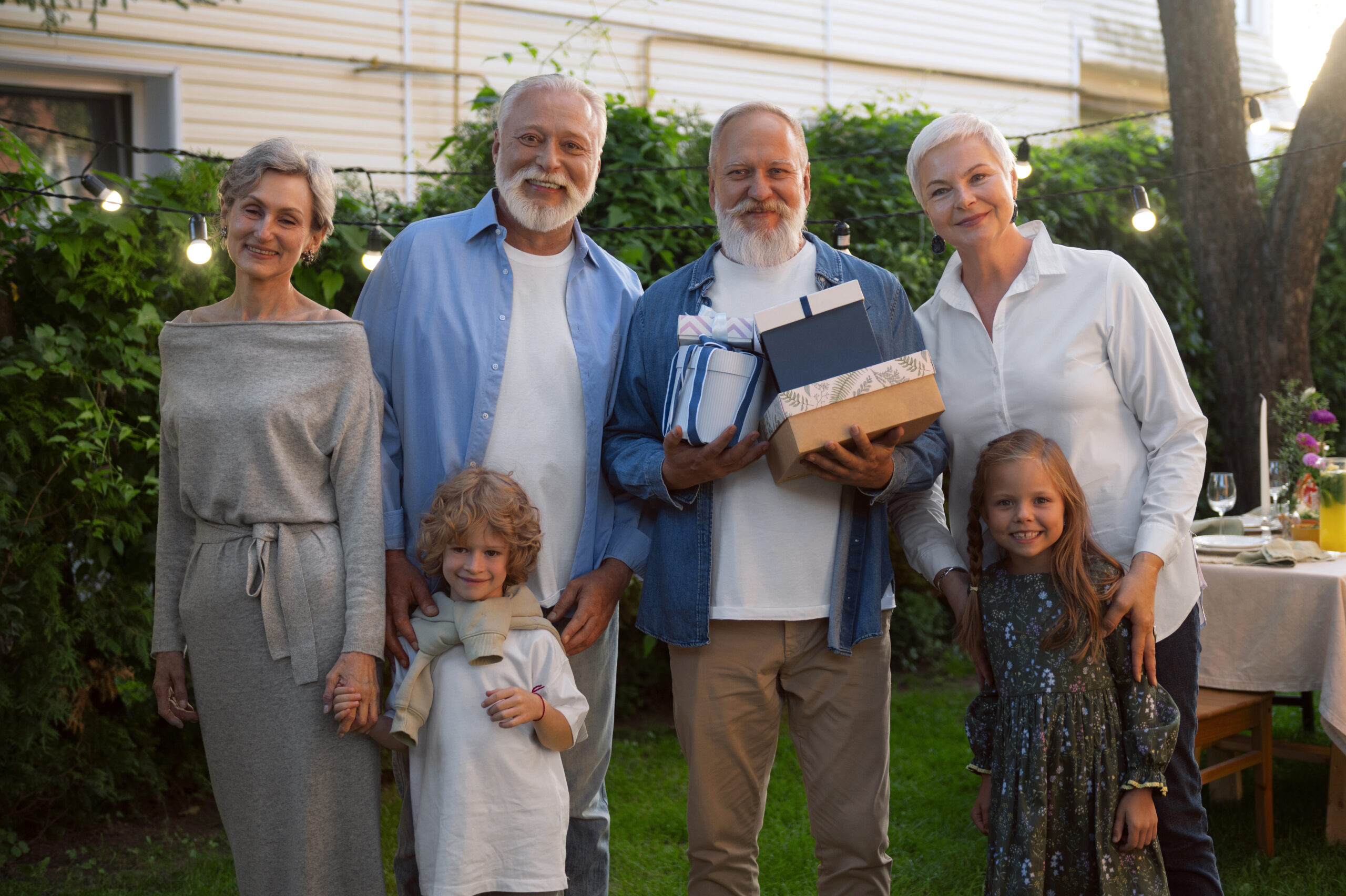
Building a life in Bulgaria shouldn’t mean leaving your family behind. If you’re living in Bulgaria on a work, study, or Blue Card residence, you can bring your spouse and children through family reunification.
By the Westside advisers, DHA Lahore · Reviewed September 2026 · 9 min read
Apostillemarriage and birth certificates must be legalised
Translationinto Bulgarian by a sworn translator
One of the biggest worries for anyone moving abroad is family: can my spouse and children join me? In Bulgaria, the answer is yes. If you hold a valid residence permit, through work, study, business, or the EU Blue Card, you can sponsor your family to join you under EU family reunification rules. But the Bulgaria spouse visa from Pakistan is a two stage process with a genuine marriage interview and strict documentation, and it’s an area where many families are rejected on avoidable, formal grounds. Here’s the complete, honest 2027/2028 guide to getting it right.
Family reunification lets your spouse and children join you in Bulgaria.
We’ll cover who can sponsor, who you can bring, the exact two stage process, the marriage interview, the documents, whether your family can work, the timeline, appeals, and the rejection reasons to avoid. Let’s reunite your family in Europe.
The goal:
A residence permit for your spouse and children in Bulgaria, an EU + Schengen country, so your family can live together with a path to long term European residency.
Who Can Sponsor a Family Member in Bulgaria?
Your own valid Bulgarian residence is the foundation for reuniting your family.
To bring your family, you (the sponsor) must be legally residing in Bulgaria. You can usually sponsor if you hold:
A work / Single Permit residence as an employed worker in Bulgaria.
An EU Blue Card as a highly qualified professional.
A study residence permit as a student (subject to conditions).
A business residence as a business owner or investor.
Long term resident status after establishing residency.
Your residence is the foundation:
Family reunification depends on your own valid Bulgarian residence. If you’re planning to move for
work
study
, factor family reunification into your plan from the start.
Marriage documents must be registered and legalised before you apply.
The Legal Basis for Family Reunification
Bulgaria’s family reunification follows clear EU and national law:
EU Directive 2003/86/EC the European rule governing family reunification for third country nationals.
Family reunification covers your spouse and unmarried children under 18.
Family reunification covers your close family. You can generally bring:
Your spouse your legally married husband or wife.
Children under 18 your unmarried minor children.
Dependent adult children only if they can’t support themselves due to serious health reasons.
Parents of either spouse, only if they can’t live alone due to advanced age or serious illness.
One spouse only:
Under EU and Bulgarian rules, you can reunite with only one spouse. In cases of polygamous marriage, additional spouses cannot be brought through family reunification. Plan accordingly and seek advice for your specific situation.
Plan the family move once the sponsor’s status is settled.
The Two Stage Reunification Process
The Bulgaria spouse visa works in two clear stages, one in Bulgaria, one in Pakistan:
Stage 1: Sponsor applies in Bulgaria As the sponsor, you apply for a family reunification permit at the Migration Directorate in Bulgaria. A decision typically takes around one month, coordinated with the national security consultancy and the foreign ministry.
Permit granted Once your reunification permit is approved, your family member becomes eligible to apply for their visa from Pakistan.
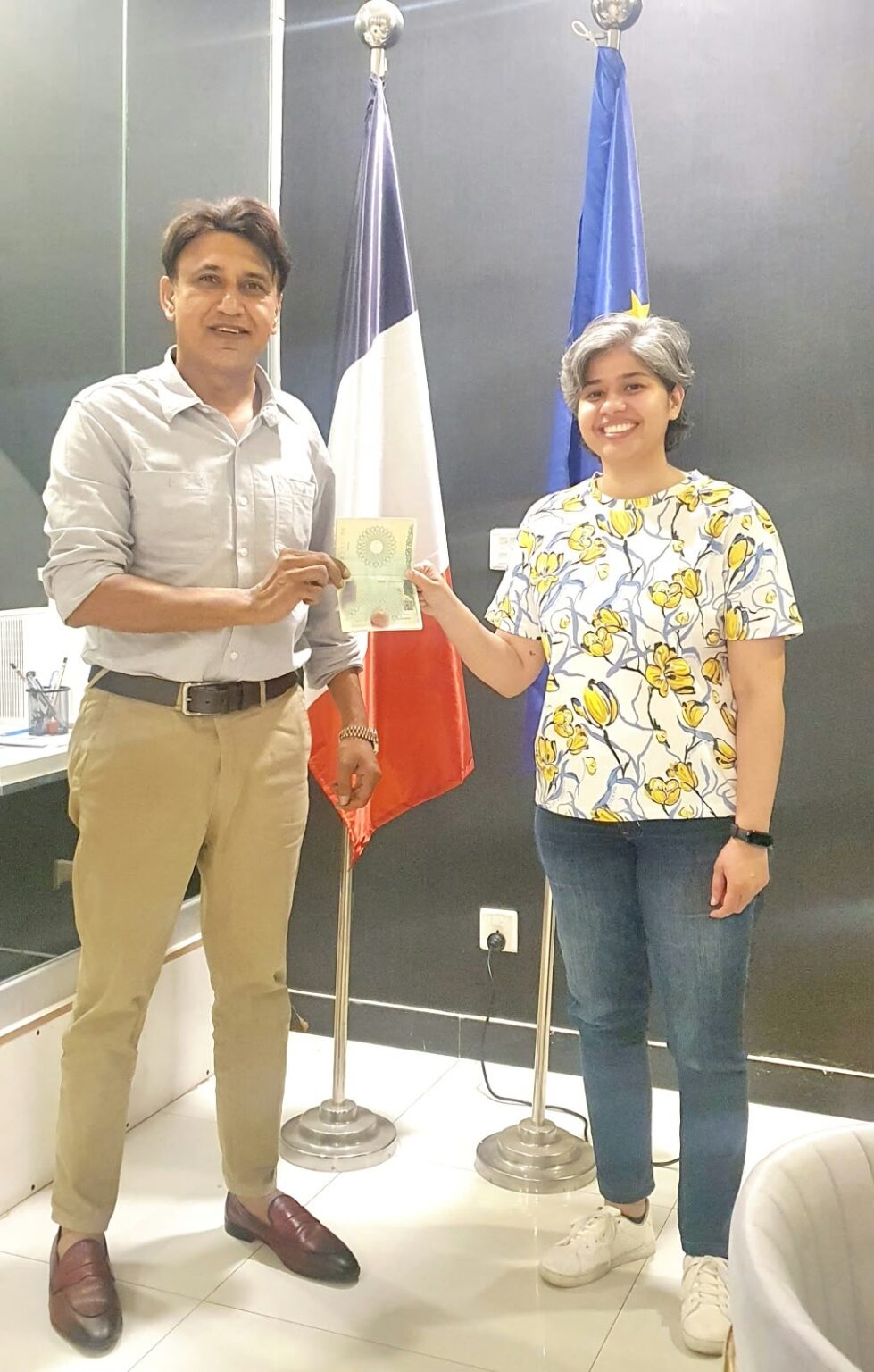
Stage 2: Family applies in Pakistan Your spouse (or family member) applies in person for a Type D long stay visa at the Bulgarian Embassy in Islamabad, with the required documents.
Travel & residence permit After the visa is issued, your family travels to Bulgaria and applies for their residence permit to live with you.
The Genuine Marriage Interview
A crucial part of a spouse visa is proving the marriage is genuine. Bulgaria takes this seriously:
Both spouses may be interviewed to confirm the relationship is real, not for migration purposes.
Separate interviews possible spouses may be questioned separately and answers compared.
Consistency matters your answers about your relationship should match naturally.
Sham marriage = rejection a marriage of convenience is a clear ground for rejection.
Genuineness is non negotiable:
Authorities actively screen for marriages of convenience. A genuine couple with consistent, honest answers and real relationship evidence has nothing to fear, but inconsistencies or a suspected sham marriage lead to rejection. Prepare honestly and thoroughly.
Bulgaria offers a calm, affordable life for young families.
Document Checklist for the Family Visa
Documentation is where most family applications succeed or fail. You’ll typically need:
Family reunification documents
Marriage certificate NADRA issued, attested, apostilled, and translated into Bulgarian.
Children’s birth certificates for any children joining, attested and translated.
Passports & photos for each family member.
Sponsor’s residence permit proof of your legal status in Bulgaria.
Proof of accommodation showing suitable housing for your family.
Proof of income / funds showing you can support your family.
Health insurance for the joining family members.
Police clearance certificate (PCC) for the applicants.
The #1 family visa failure:
Formal documentary errors, an unattested marriage certificate, a broken apostille chain, or missing civil documents. Bulgaria rejects a high share of family applications on exactly these grounds, so accuracy is everything.
Can Your Family Work in Bulgaria?
Once reunited, your family can live, work, and study in Bulgaria.
Once your family joins you, here’s what they can do:
They can live in Bulgaria with their family residence permit.
They can work but must apply for a work permit separately.
Children can study accessing Bulgarian education.
A shared EU future your family builds toward long term residency with you.
Not sure how this applies to your case?
Send us your question on WhatsApp. A Westside adviser in DHA Lahore will reply, Monday to Saturday, 10:00 to 18:00.
Reunification decision: ~1 month for the sponsor’s permit in Bulgaria.
Apply within 6 months your family must apply for the Type D visa within six months of the permit.
Visa processing allow time for the Type D visa and appointment in Pakistan.
Don’t miss the window a lapsed permit means starting again.
What If Your Family Visa Is Rejected?
A rejection isn’t always the end. You have a right to challenge it:
Appeal within 14 days to the administrative court, if rejected.
Understand the reason rejections often cite documentary or genuineness grounds.
Fix and reapply many rejections stem from correctable errors.
Get expert help professional guidance improves your appeal or fresh application.
A rejection can often be fixed:
Because most family rejections are on formal or documentary grounds, they’re frequently correctable. Whether you appeal within 14 days or reapply with a stronger file, expert help makes a real difference.
Spouse of a Bulgarian Citizen (a Different Route)
If your spouse is a Bulgarian citizen (rather than a foreign resident), the route is slightly different:
No reunification permit needed the non EU spouse of a Bulgarian citizen doesn’t need a separate family reunification permit.
Type D then residence you apply for a Type D visa, then a residence permit in Bulgaria.
Still prove a genuine marriage the genuineness requirement still applies.
A quicker path to settlement spouses of citizens often have a more direct route.
Family Visa Rejection Reasons (and How to Avoid Them)
Bulgaria rejects many family applications on avoidable grounds. Fix these before you apply:
Suspected sham marriage
Inconsistent interview answers or weak relationship evidence can suggest a marriage of convenience.
Fix it first: Prepare honestly, know your shared history, and bring genuine relationship evidence.
Unattested or missing civil documents
An un apostilled marriage certificate or missing birth certificates is the top family visa failure.
Fix it first: Attest, apostille, and translate every civil document into Bulgarian, correctly.
Insufficient income or accommodation
Not showing enough income or suitable housing for your family leads to rejection.
Fix it first: Provide clear proof of adequate accommodation and income to support your family.
Broken apostille / attestation chain
Documents attested out of order or missing the apostille are commonly rejected.
Fix it first: Follow the correct order (NADRA/attestation → MOFA apostille → Bulgarian translation).
National security concerns
The process is coordinated with the security consultancy; concerns can lead to rejection.
Fix it first: Ensure clean records (PCC) and complete, honest documentation throughout.
Missing the 6 month window
Applying for the Type D visa after the reunification permit’s window means starting over.
Fix it first: Apply for the family Type D visa within six months of the permit being granted.
Quick Facts: Bulgaria Spouse & Family Visa
Bulgaria Family Reunification 2027/2028 Key Facts
Who can sponsor
Legal resident (work, study, Blue Card, business)
Legal basis
EU Directive 2003/86/EC + Foreigners Act
Who you can bring
Spouse, children under 18 (conditions for others)
Process
Two stage (Bulgaria then Pakistan)
Reunification decision
~1 month
Family visa
Type D (from Islamabad)
Marriage interview
Yes (genuineness checked)
Dependents working
Yes, with a work permit
Appeal window
14 days (administrative court)
Apply within
6 months of the permit
How Westside Visa Helps You Reunite Your Family
Flawless documents and honest interview prep keep families together.
Here’s the honest truth: Bulgaria’s family reunification is a genuine right, but it’s a two stage process with a marriage interview and strict documentation, and it’s an area where families are frequently rejected on avoidable, formal grounds. Getting the timing, documents, and interview preparation right is exactly where expert guidance protects your family’s future. That’s where we come in.
At Westside Visa, our consultants in DHA Lahore help Pakistani families reunite in Bulgaria. We help you:
Confirm your eligibility as a sponsor, and who you can bring.
Navigate both stages the permit in Bulgaria and the Type D visa in Pakistan.
Prepare flawless documents attested, apostilled, and translated correctly.
Get ready for the interview honest, consistent preparation for the marriage interview.
Hit the timelines including the crucial six month window.
Handle a rejection appeal within 14 days or reapply with a stronger file.
We help you bring your loved ones to Europe without the avoidable mistakes that separate families. Think of us as your teammate, experienced, transparent, and fully on your side.
Your loved ones can join you in the EU. Westside Visa guides your family reunification honestly, from the permit to the Type D visa, with advice you can trust.
Yes, if you hold a valid Bulgarian residence permit (through work, study, business, or the EU Blue Card), you can sponsor your spouse via family reunification. The process has two stages: you apply for a reunification permit at the Migration Directorate in Bulgaria, then your spouse applies for a Type D visa at the Bulgarian Embassy in Islamabad.
Who can I sponsor for a Bulgaria family visa? +
You can generally bring your spouse and unmarried children under 18. Dependent adult children may qualify only if they can’t support themselves due to serious health reasons, and parents of either spouse only if they can’t live alone due to advanced age or serious illness. Note that only one spouse can be reunited under the rules.
How long does Bulgaria family reunification take? +
The reunification permit decision in Bulgaria typically takes around one month. After it’s granted, your family member must apply for their Type D visa in Pakistan within six months, plus the visa processing and appointment time. Starting early and having flawless documents keeps the whole process smooth.
Is there a marriage interview for the spouse visa? +
Yes. To confirm the marriage is genuine and not for migration purposes, both spouses may be interviewed, sometimes separately, with answers compared for consistency. A genuine couple with honest, consistent answers and real relationship evidence has nothing to fear, but a suspected sham marriage is a clear ground for rejection.
Can my spouse work in Bulgaria? +
Yes. Once your family joins you on a family residence permit, your spouse can work, but must apply for a work permit separately. Children can access Bulgarian education. Over time, your family builds toward long term EU residency alongside you.
What if my family visa is rejected? +
You can appeal to the administrative court within 14 days of a rejection. Because most family rejections are on formal or documentary grounds (like an unattested marriage certificate or a broken apostille chain), they’re often correctable, so you can appeal or reapply with a stronger file. Expert guidance improves your chances.
What documents are needed for a Bulgaria spouse visa? +
You’ll need an attested, apostilled, and Bulgarian translated marriage certificate (and children’s birth certificates), passports and photos, the sponsor’s residence permit, proof of accommodation and income, health insurance, and police clearance certificates. Formal documentary errors are the top cause of family visa rejections, so accuracy is essential.
This guide is general information from Westside Visa Consultants, not legal advice. Visa rules change often, so always confirm the latest position on the official government website before you apply.
A Bulgaria visa rejection feels like the end of the road, but it rarely is. Most rejections come from specific, fixable issues, and with the right approach, a “no” can become a “yes”.
Whether you want an affordable EU business degree or a management career in Europe, business management in Bulgaria offers both, at a fraction of Western costs.
Here’s a fact most people learn the hard way: broken document attestation is the number one reason Bulgaria visa applications from Pakistan get rejected.