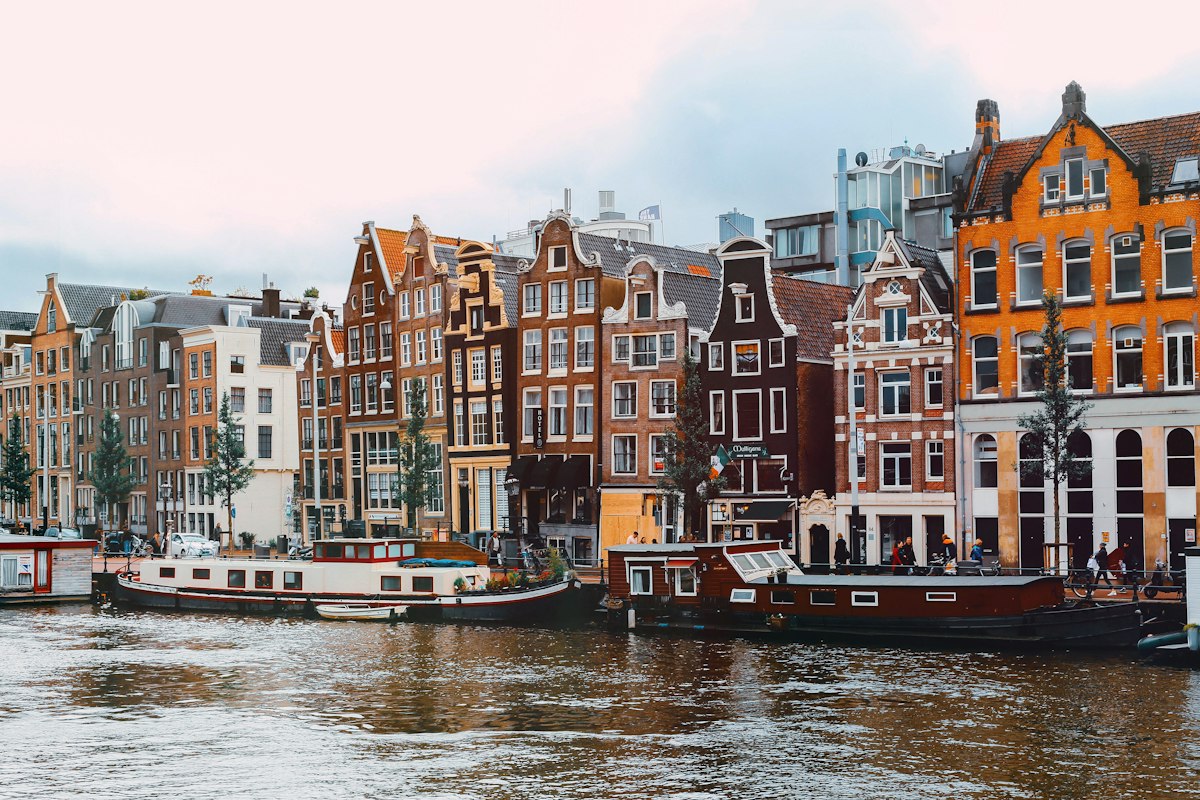
Europe's most international classrooms, taught almost entirely in English
The Netherlands has hundreds of English taught bachelor's and master's programmes, a university that files your residence permit for you, and a one year orientation permit after you graduate. We help you choose the right university type, meet the deadlines and prepare your funds.
Westside Visa Consultants is an independent private advisory. We are not affiliated with any government, embassy or visa application centre and cannot influence a visa decision. Figures are the published ones or typical ranges at the time of writing; we confirm current numbers at your assessment.
Is the Netherlands the right choice for you?
The Netherlands suits students with a clear academic plan and a realistic budget. Here is who usually does well.
A master's at a research university
- Graduates with a 16 year degree in a related subject
- Business, data, engineering, law and social sciences
- Students applying by the early deadline
A university of applied sciences
- Practical bachelor's and master's with internships
- Often the right level for FSc or HSSC holders
- Lower fees than research universities
A tight budget
- Non EU tuition is higher than in Germany or Italy
- You need €13,569 for living costs on top of fees
- Housing is scarce in the big cities
Bikes, canals and a truly international campus life
Study in compact, safe cities where everyone cycles, English is spoken everywhere and Amsterdam is never far away.
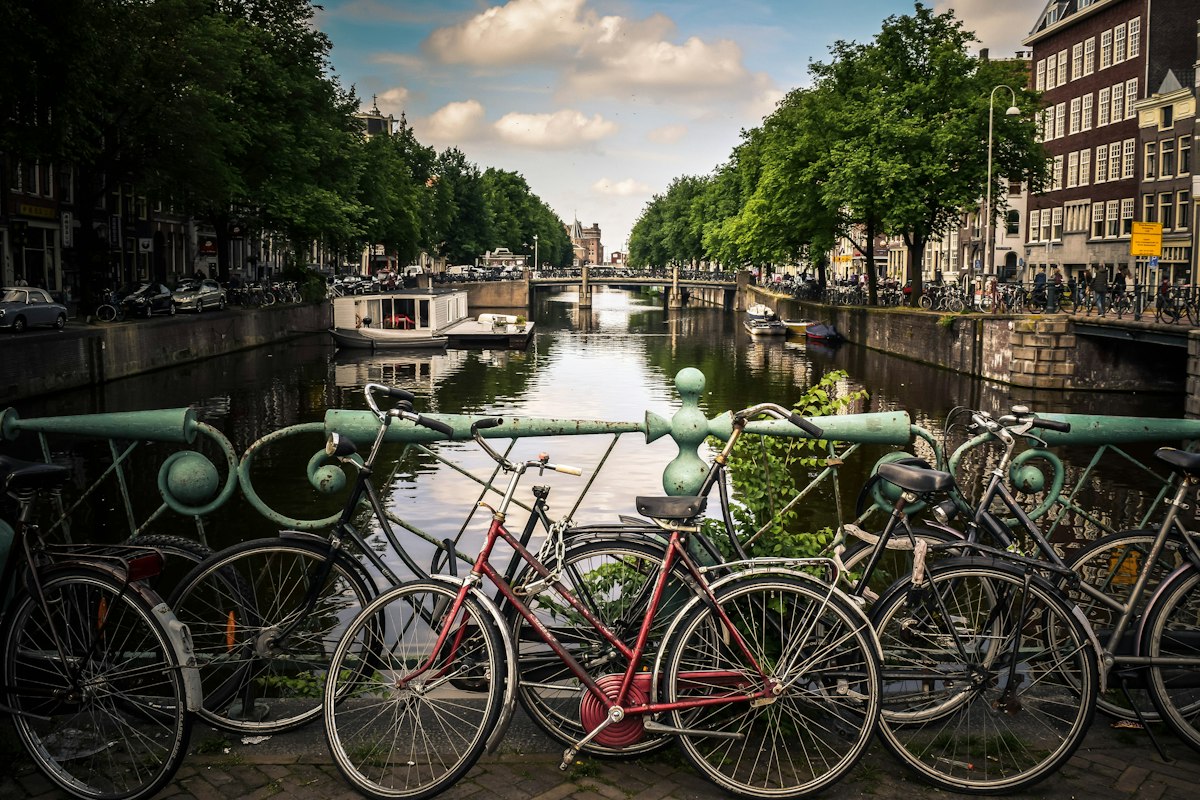
Everyone cycles
Students cycle to class, to work and to the canals, in every Dutch city.

Tulip fields in bloom
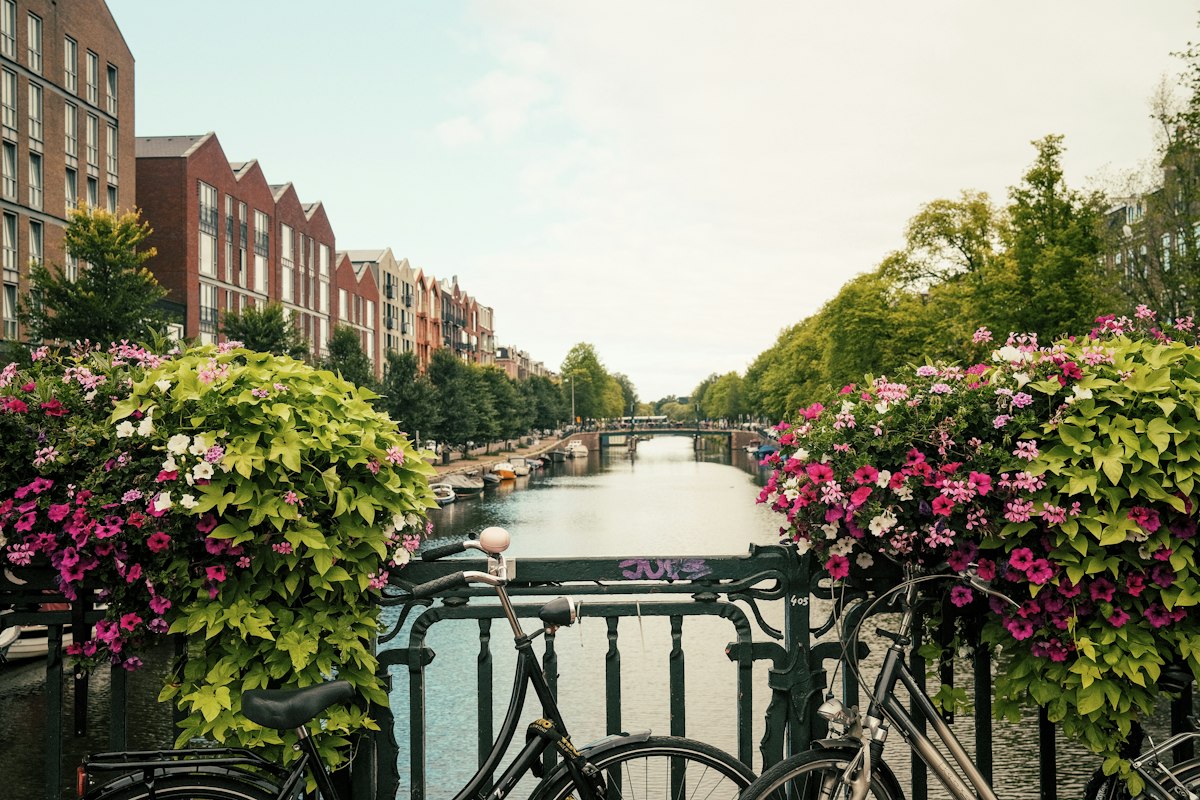
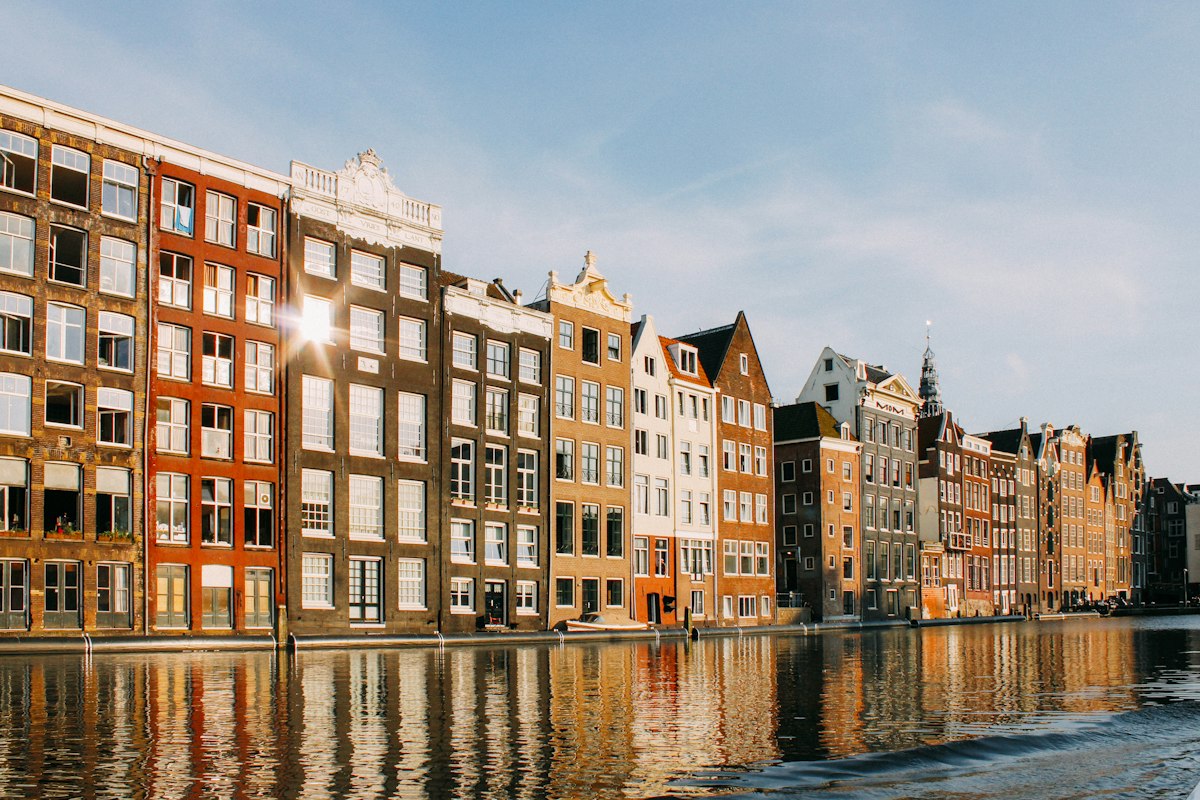
Canals, markets and cafes
Six ways to study in the Netherlands
Pick your route by level, budget and whether you prefer research or practice.
Master's at a research university
Academic master's at universities such as Amsterdam, Delft, Leiden and Groningen.
Applied sciences master's
Practical, career focused master's with strong industry links.
Bachelor's at a university of applied sciences
Four year practical bachelor's, often the right level for FSc students.
Bachelor's at a research university
Competitive entry, often for A level students or after a year of university study.
Pre master's
A bridging year when your bachelor's does not fully match the master's you want.
PhD
Doctoral positions are usually paid jobs at the university.
What happens after you graduate
After graduating you can apply for an orientation year permit, which gives you a full year to look for work with open access to the job market, and a lower salary threshold if you then move to a skilled migrant permit.
From Studielink to boarding pass
Your Dutch university applies to the IND for your residence permit and entry visa together. You collect the MVV sticker at the Netherlands Embassy in Islamabad.
Free assessment
We check your degree, grades, English and budget, and tell you which university type fits.
Studielink and application
Register on Studielink and complete the university's own application, usually by 1 April for non EU students.
Admission and funds
Accept your offer and show €13,569, usually by depositing it with the university.
University files the permit
Your university applies to the IND. Decisions usually take about two weeks.
MVV at the embassy
Book by email, at no charge, with the Embassy in Islamabad and collect your MVV within three months.
Travel and register
Register with your city, collect your residence card and take the TB test if asked.
The budget, line by line
Required amounts and fees are 2026 figures and are updated by the IND each year. Students typically spend €1,000 to €1,500 a month, with Amsterdam the most expensive city.
What universities ask for
Where you could study in the Netherlands
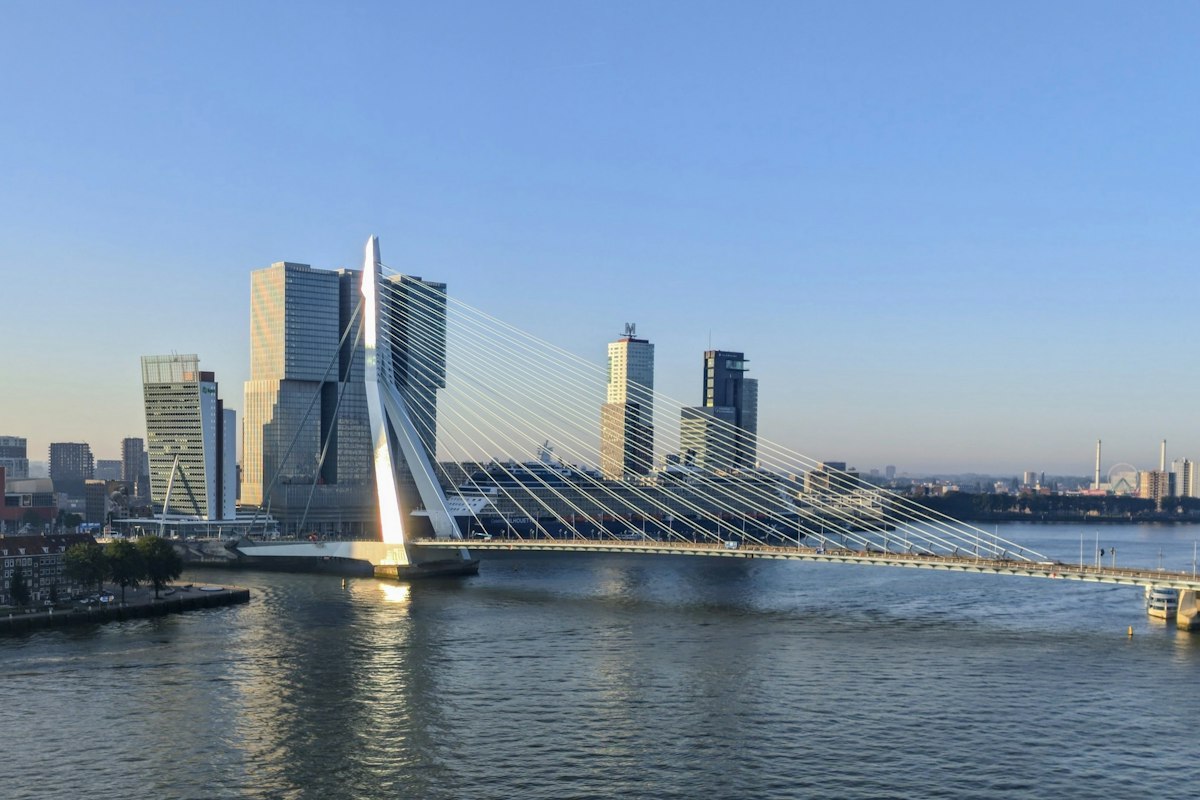
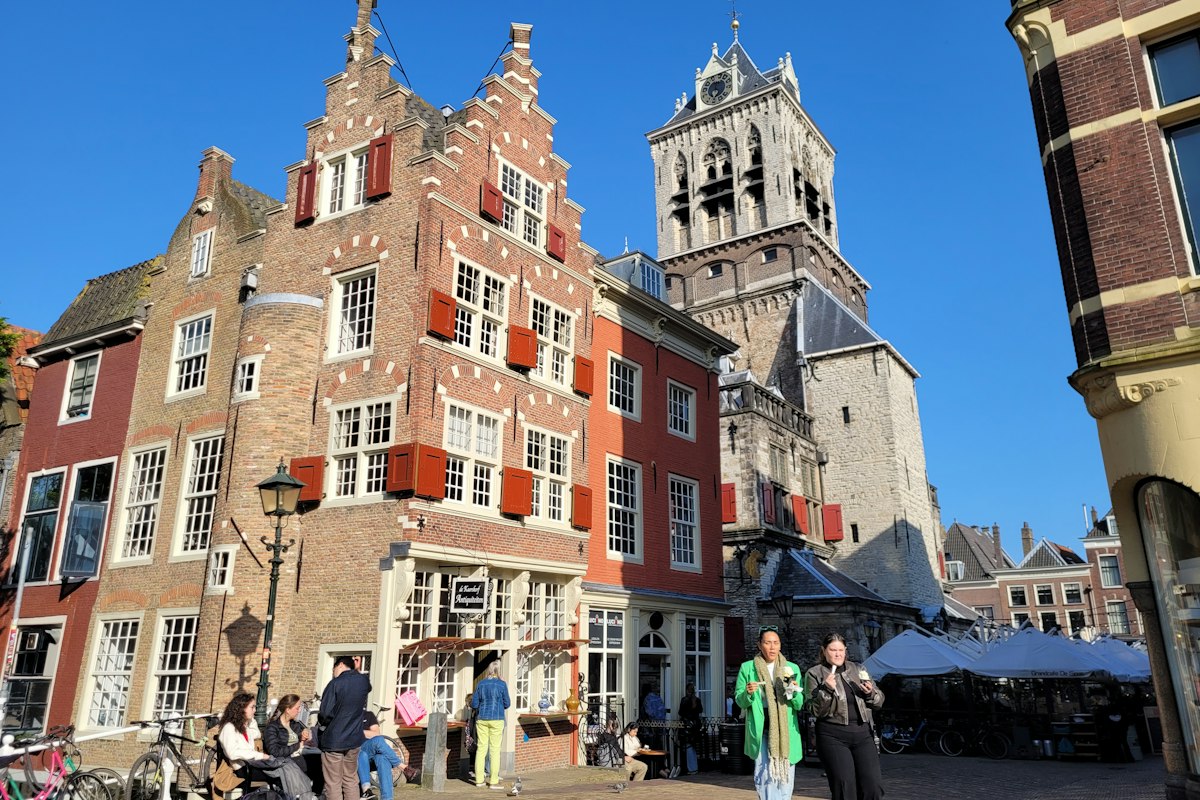
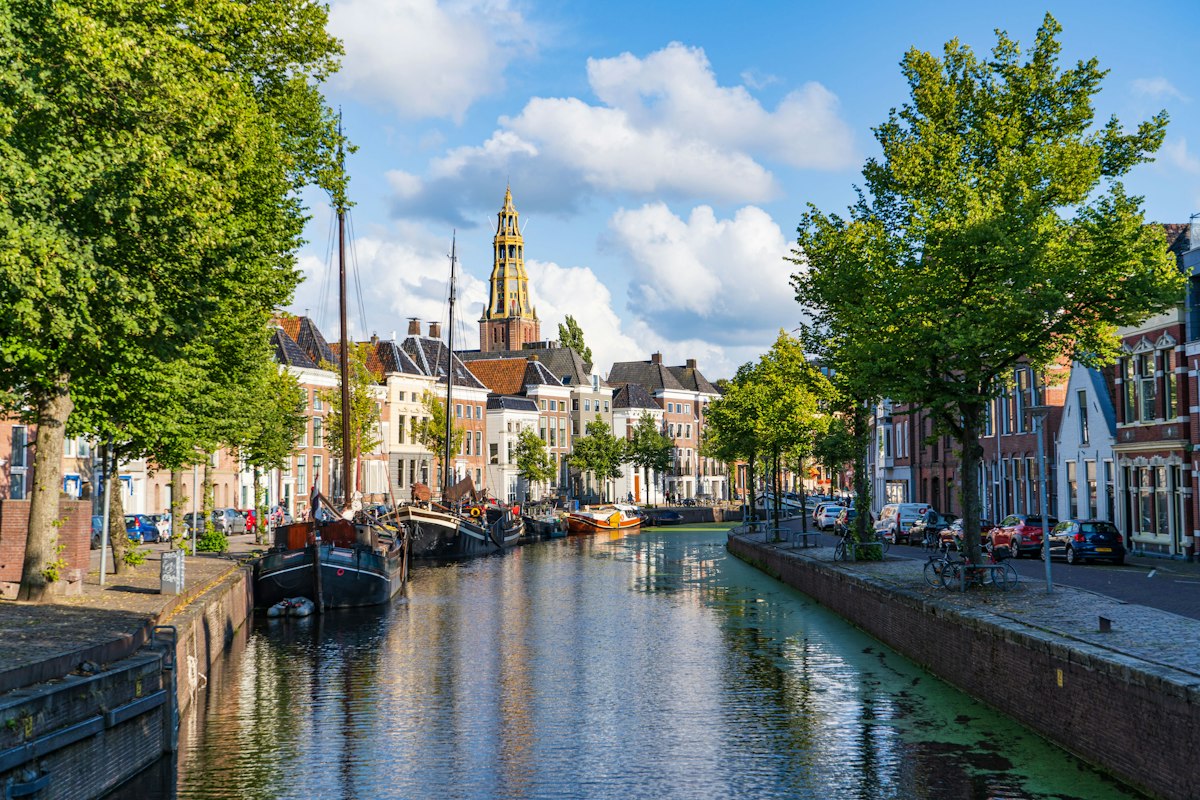
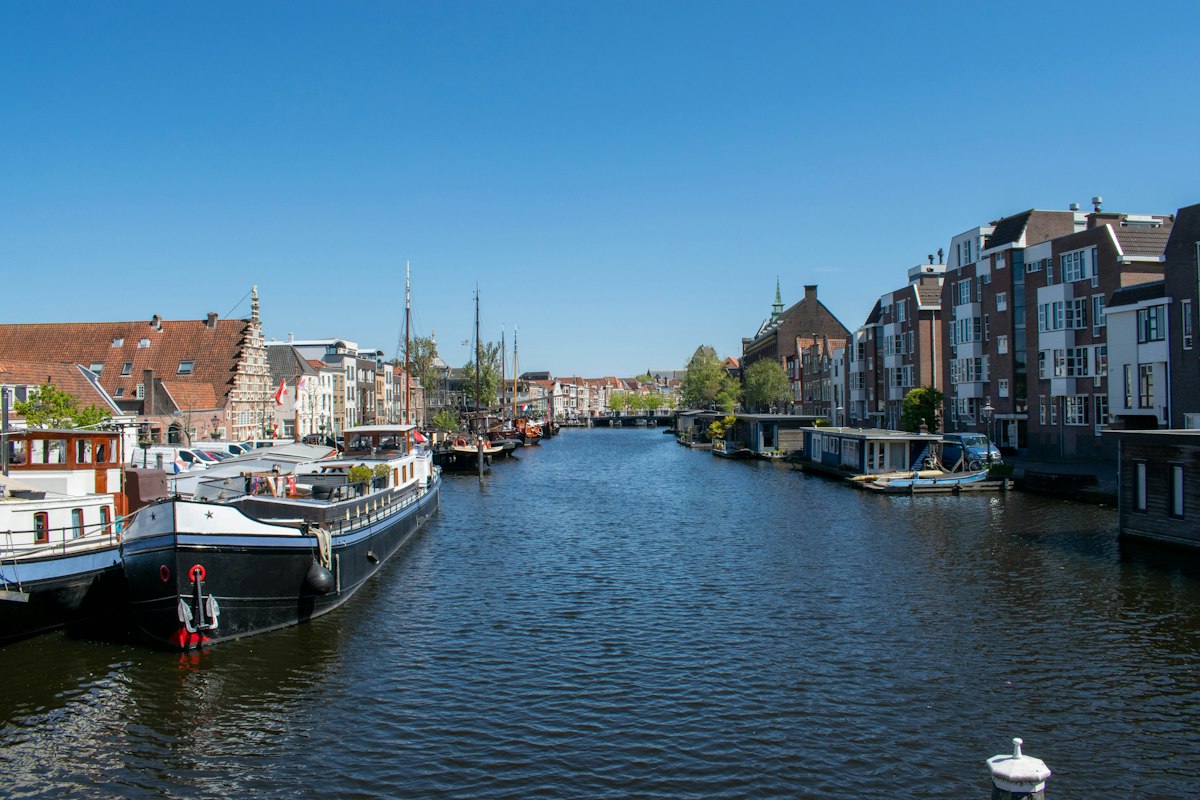
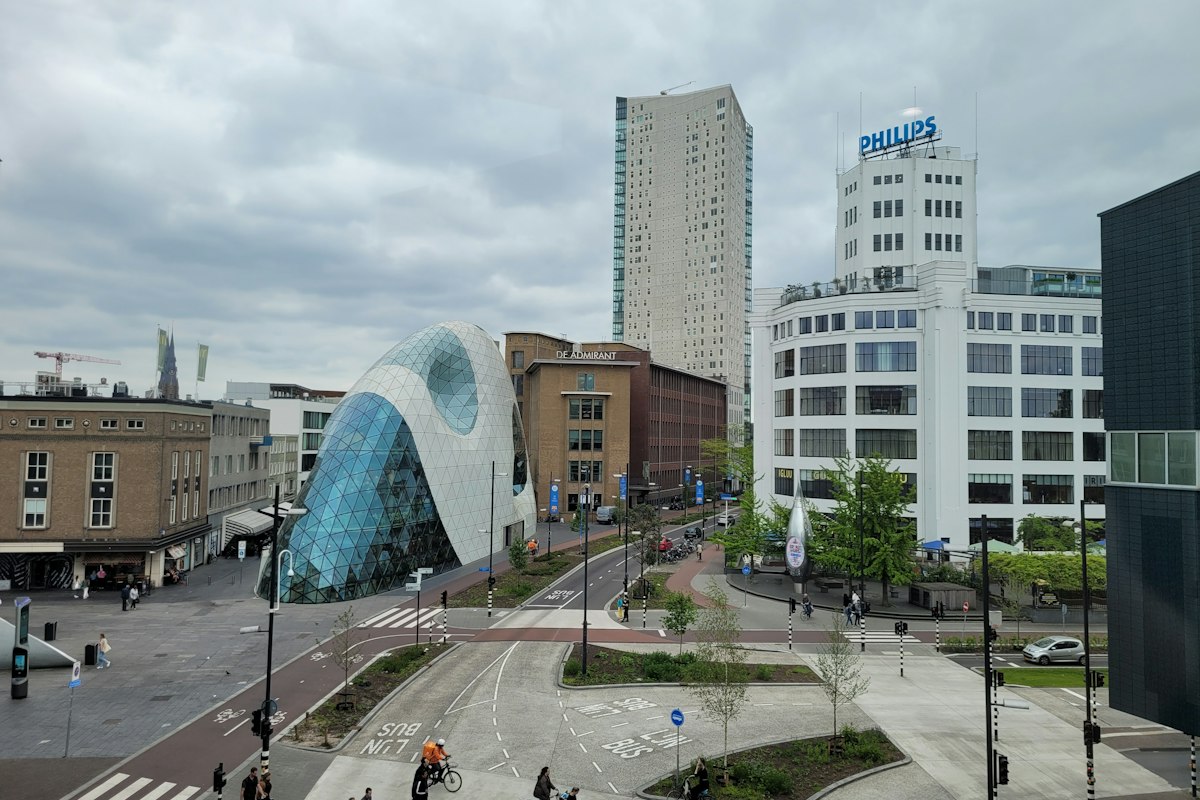
Amsterdam is the famous name, but every Dutch university city is international and within an hour or two of the others.
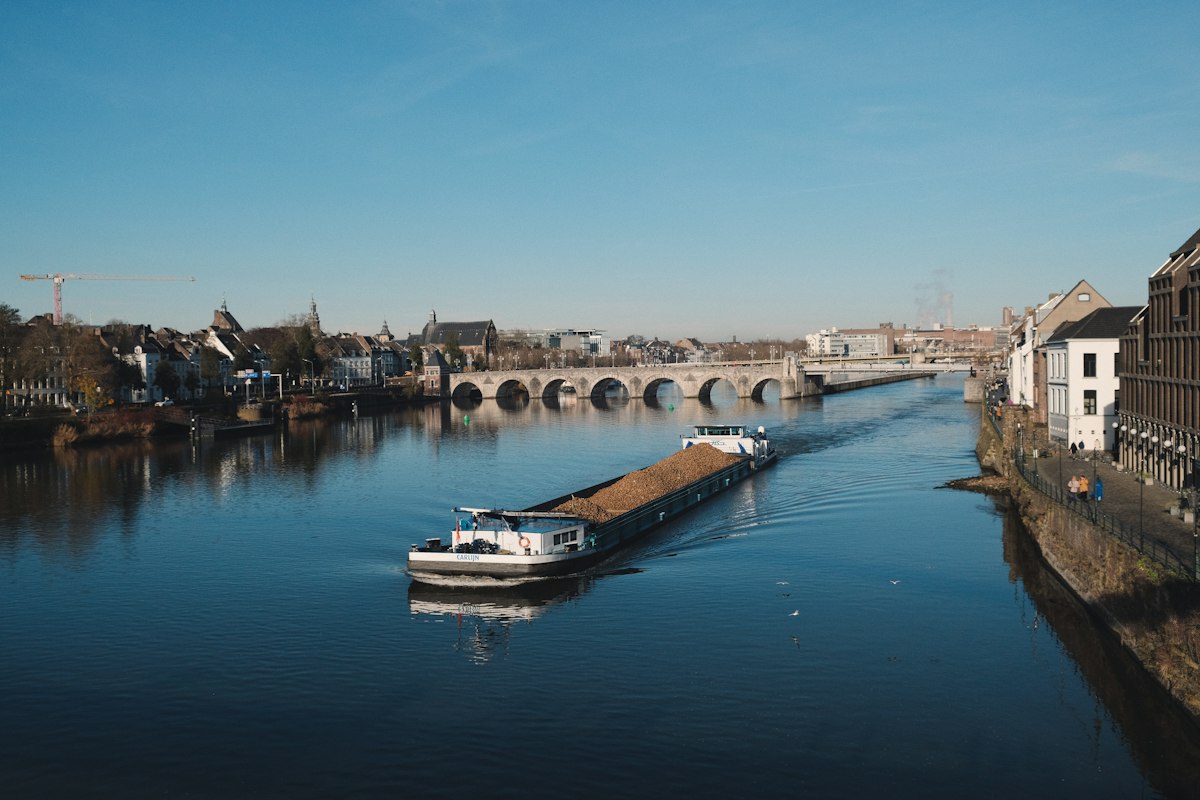
Read more, and find your programme
Search Fall 2,027 programmes by subject, fee and intake, then apply through Westside.
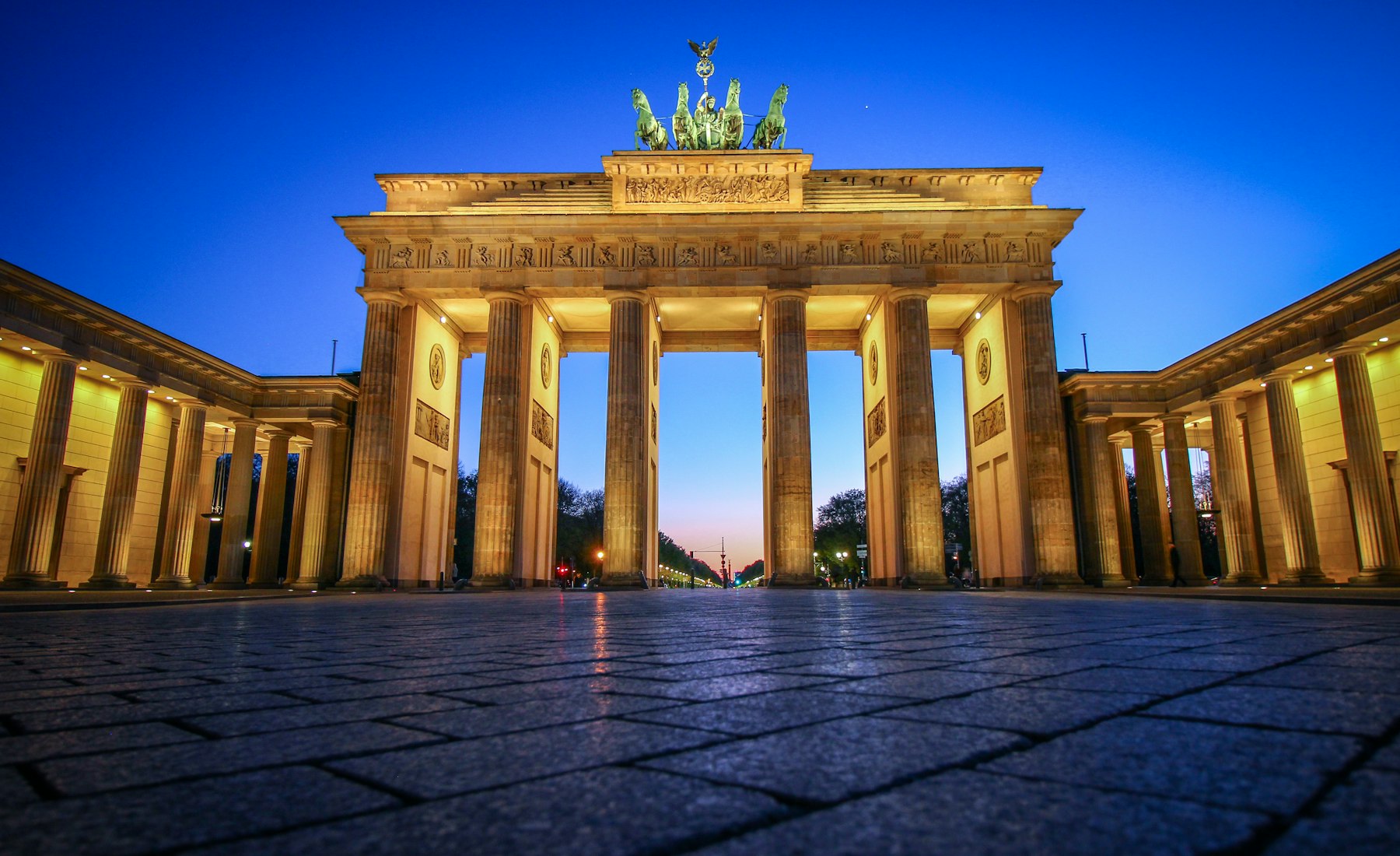
No tuition at most public universities and 18 months to find a job after you graduate.
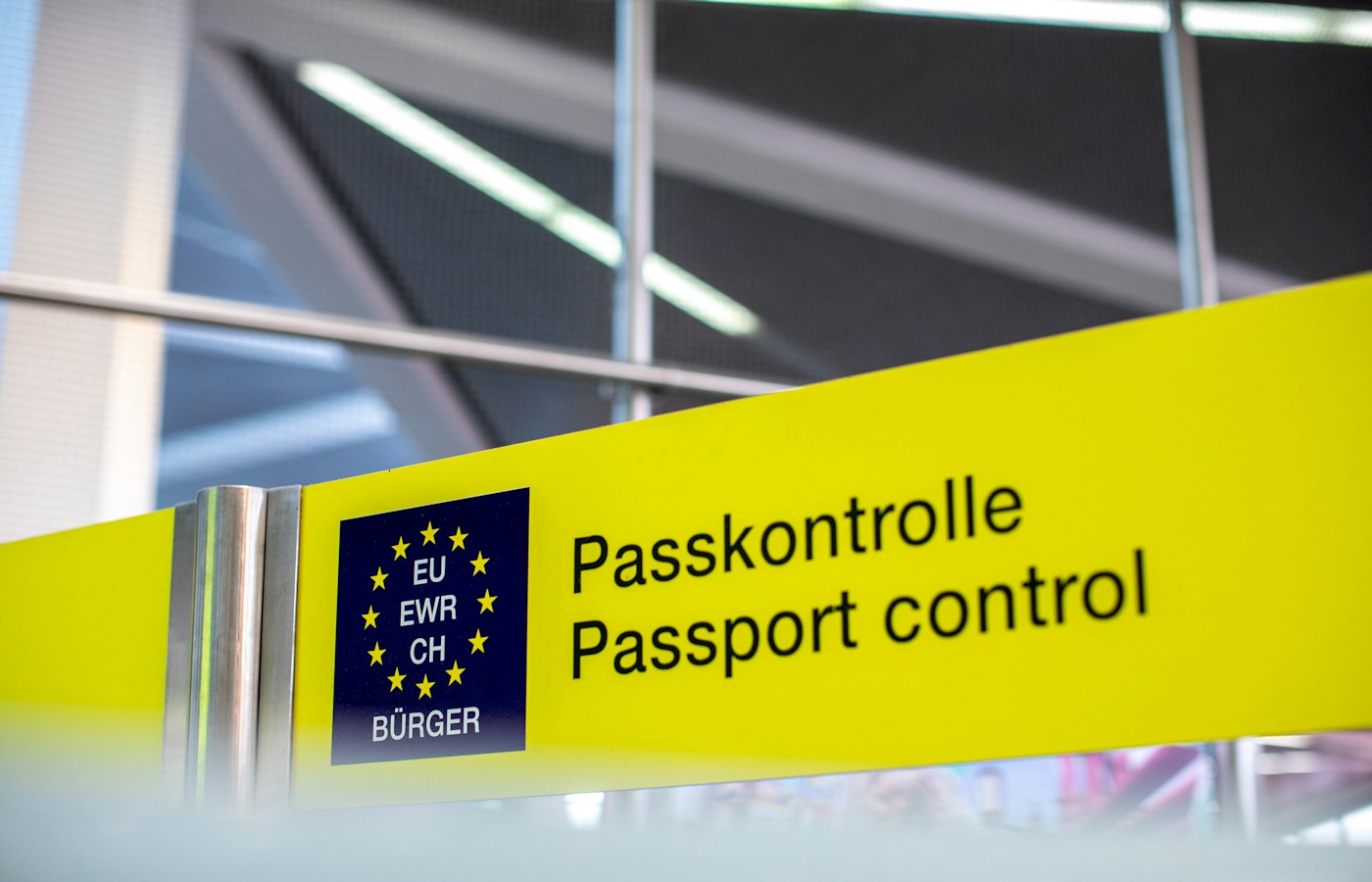
What changes at the border for Pakistani students and travellers.
The Netherlands study questions we hear every week
Anything else, ask on WhatsApp and a counsellor will reply during office hours.
Ask your questionHow much does it cost to study in the Netherlands from Pakistan?
Non EU tuition is usually about €9,000 to €20,000 a year for a bachelor's and €12,000 to €30,000 for a master's. On top of that you must show €1,130.77 a month for living costs, which is €13,569 for a year in 2026.
Who applies for my Dutch student residence permit?
Your university does. As a recognised sponsor it applies to the IND for your residence permit and MVV entry visa together, and the IND usually decides within about two weeks.
Where do I collect my MVV in Pakistan?
At the Netherlands Embassy in Islamabad. You book the appointment by email at no charge and must collect the MVV within three months of the IND decision.
Can I study a bachelor's in the Netherlands after FSc?
Usually at a university of applied sciences. Nuffic compares FSc or HSSC with good grades to HAVO, which normally leads to applied sciences rather than a research university.
What are the deadlines for Fall 2027?
Applications open on Studielink from 1 October 2026. Capped programmes close on 15 January 2027, the general deadline is 1 May, and many universities ask non EU students to apply by 1 April.
Can I work while studying in the Netherlands?
Yes, up to 16 hours a week during term or full time in June, July and August. Your employer needs a work permit for you, except for internships that are part of your programme.
Can I stay in the Netherlands after graduating?
Yes. You can apply for a one year orientation permit to look for work, with open access to the job market, and then switch to a highly skilled migrant permit at a lower salary threshold.
Are there scholarships for Pakistani students in the Netherlands?
The NL Scholarship gives €5,000 in the first year to non EEA students at participating institutions, and many universities offer their own merit scholarships.