A world class degree with no tuition at most public universities
Germany is home to some of Europe's strongest technical universities, more than 2,000 English taught programmes in our finder, and an 18 month permit to look for work after you graduate. We shortlist your universities, prepare your uni assist and visa files, and keep you on track with the embassy's online portal.
Westside Visa Consultants is an independent private advisory. We are not affiliated with any government, embassy or visa application centre and cannot influence a visa decision. Figures are the published ones or typical ranges at the time of writing; we confirm current numbers at your assessment.
Is Germany the right choice for you?
Germany rewards strong grades, early planning and patience with the visa queue. Here is who usually does well.
A master's at a public university
- Graduates with a 16 year degree and a solid CGPA
- Engineering, computer science, data and natural sciences
- Students who can plan a year ahead for deadlines and the visa
A private university or business school
- Business, management and IT programmes in English
- More flexible entry and frequent intakes
- Tuition usually charged, so compare the total cost
A bachelor's straight after FSc
- FSc or HSSC alone does not give direct bachelor's entry
- You need one year of university study or a Studienkolleg
- Studienkolleg is taught in German, so plan for language study
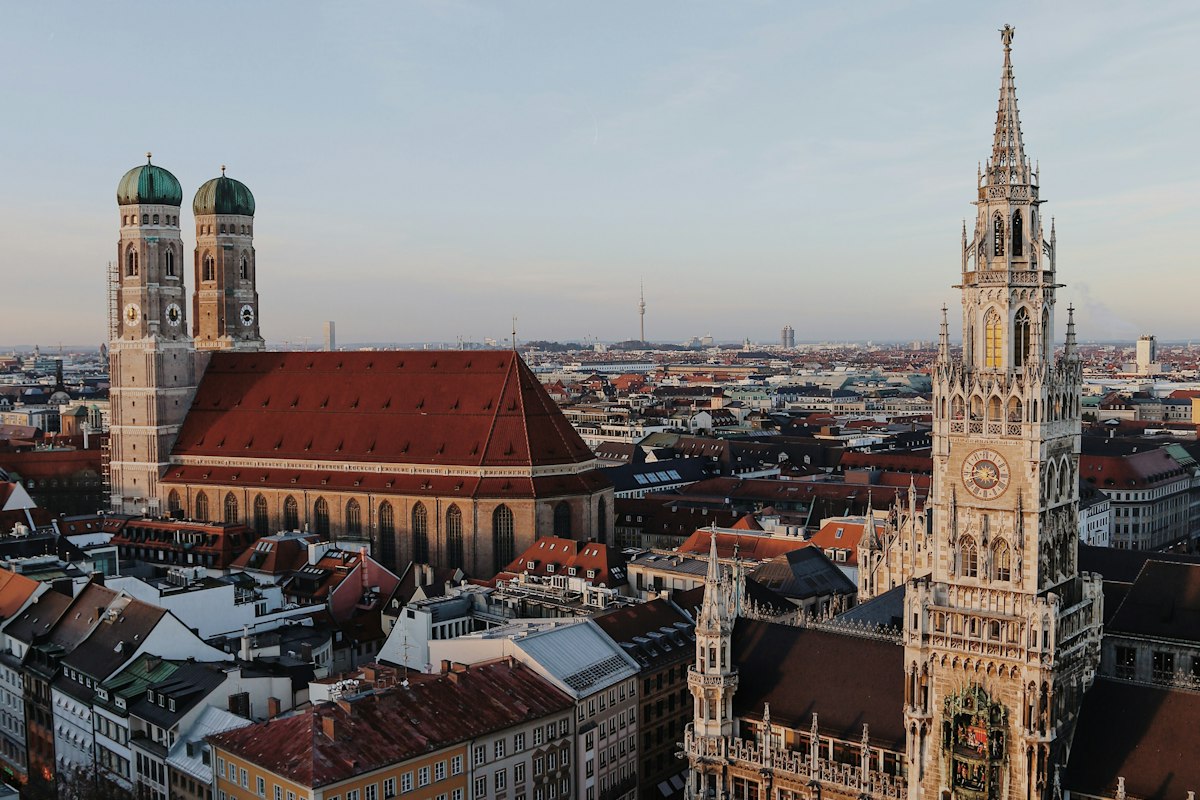
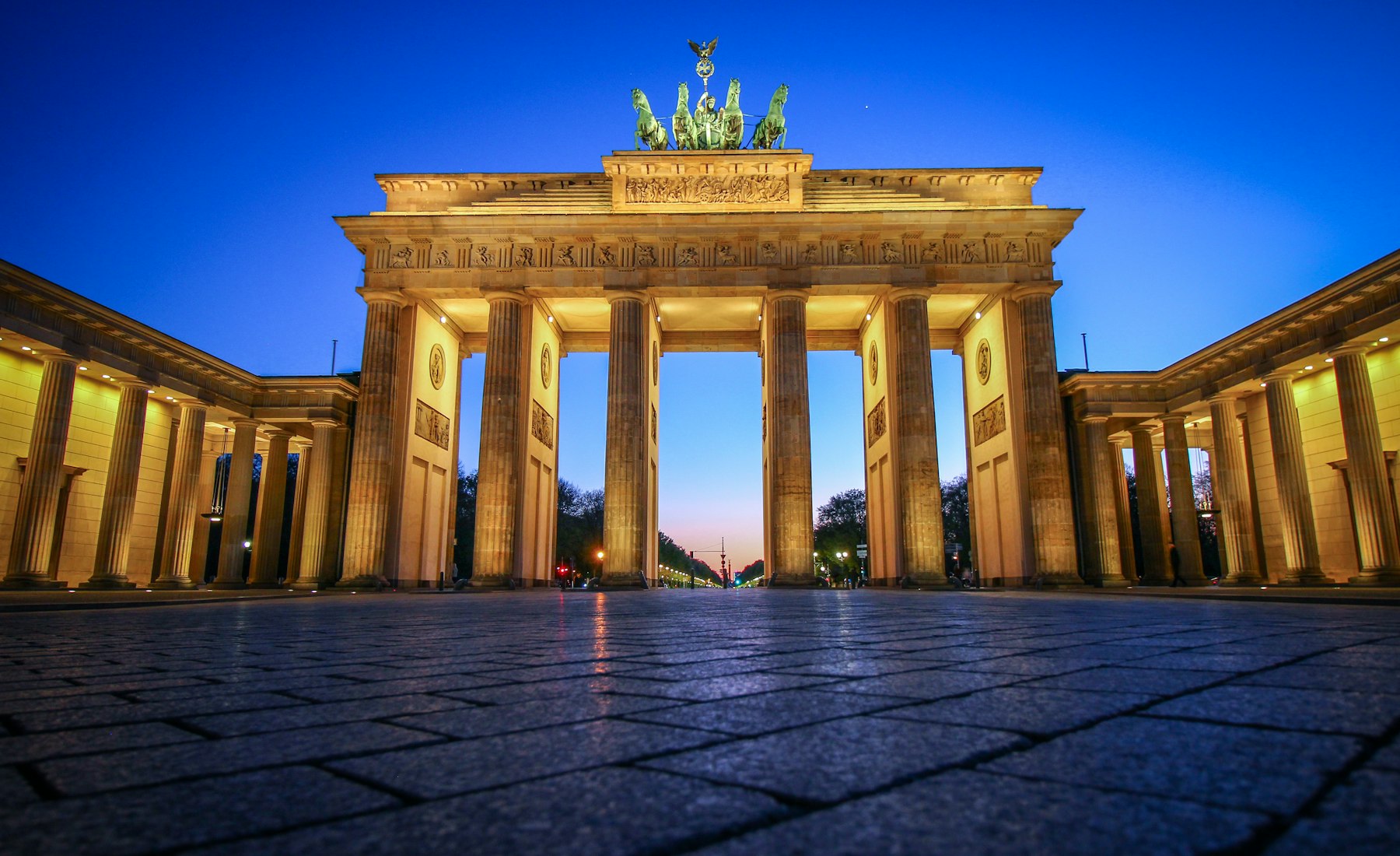
Engineering heritage, green cities and a strong job market
Study where Europe's biggest economy builds cars, chips and software, and travel the Schengen area on weekends.
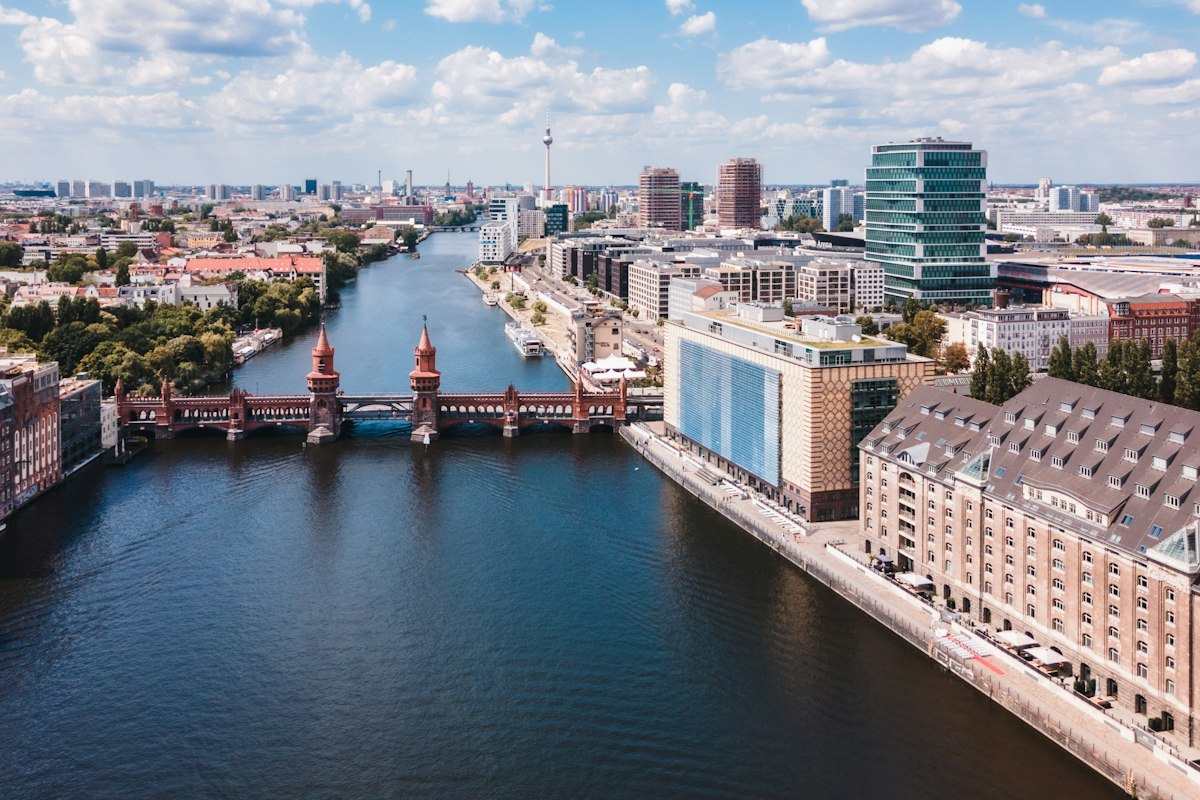
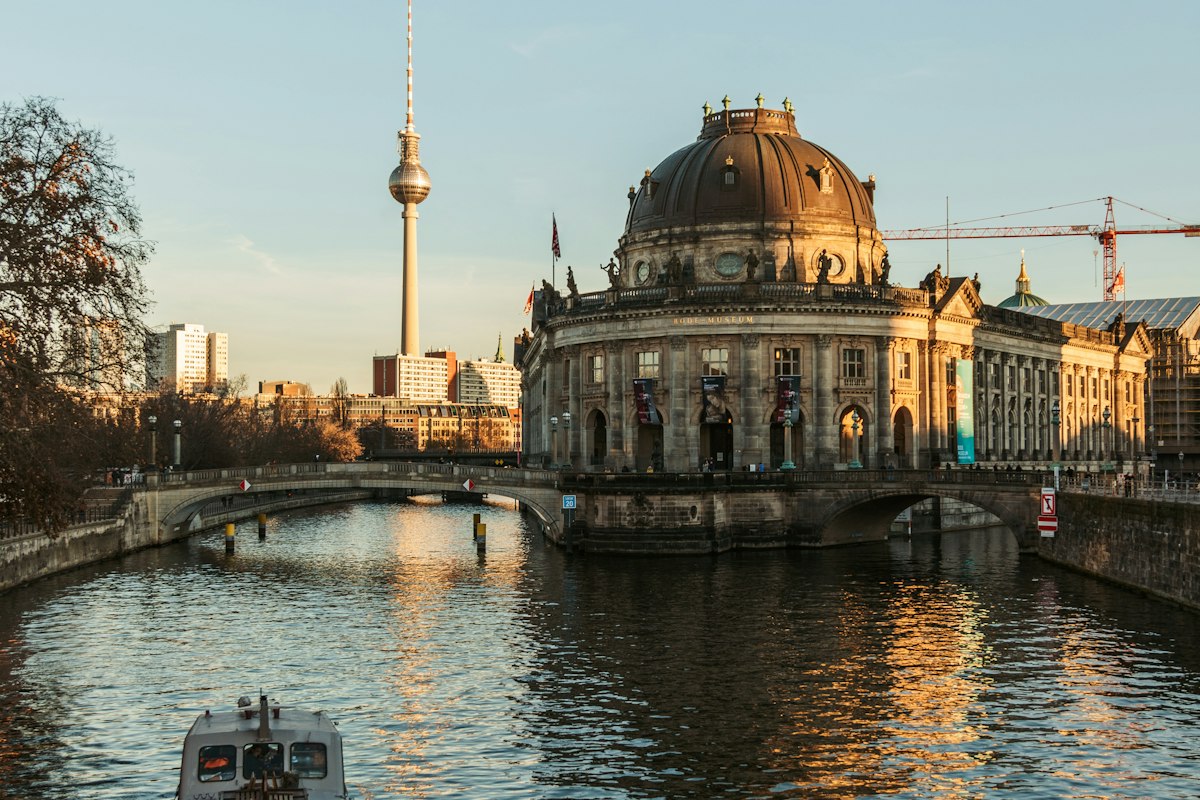
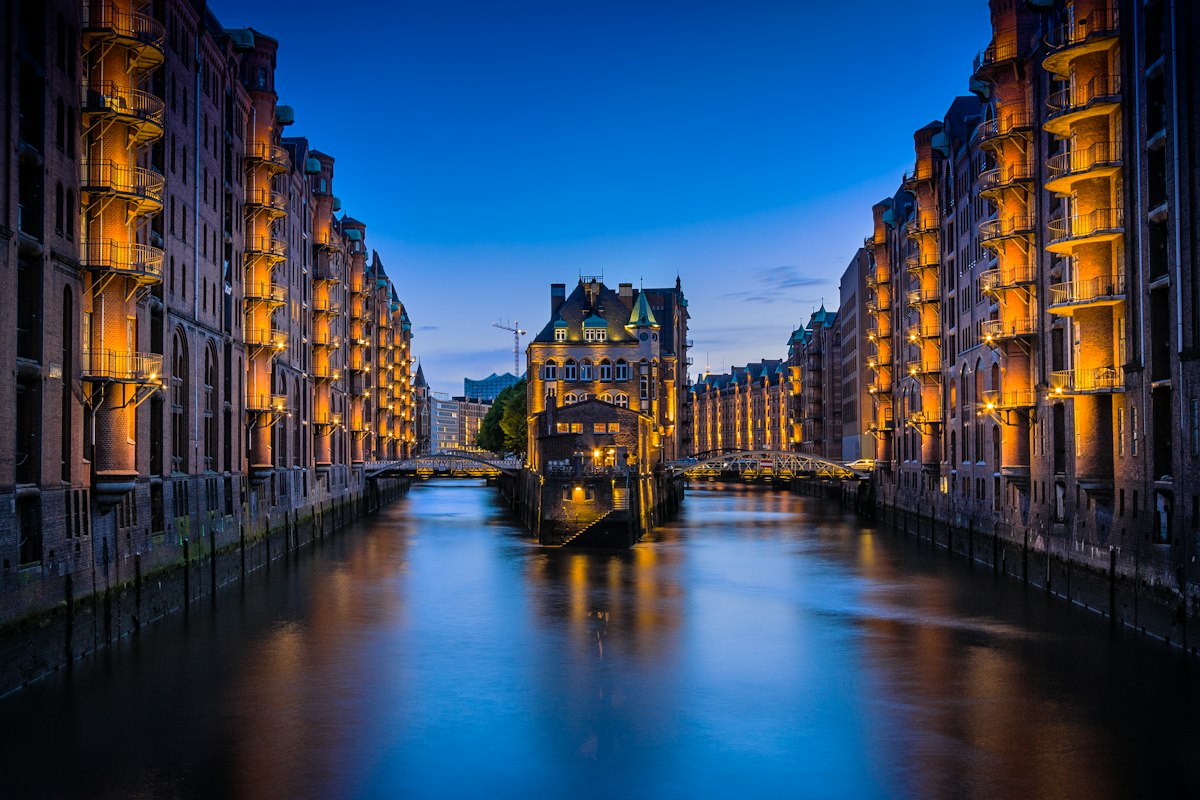
Summer evenings by the river
Berlin, Hamburg and Munich students spend long summer evenings by the water and in the parks.
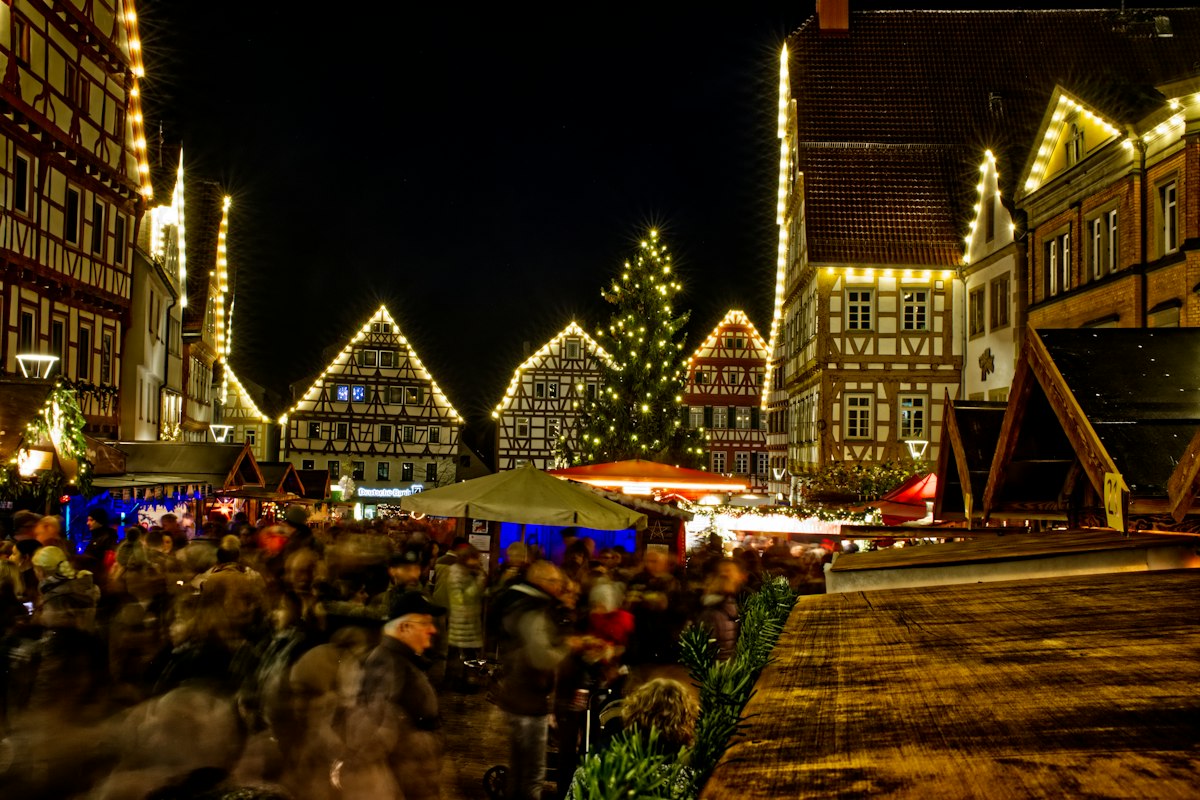
Christmas markets in every old town
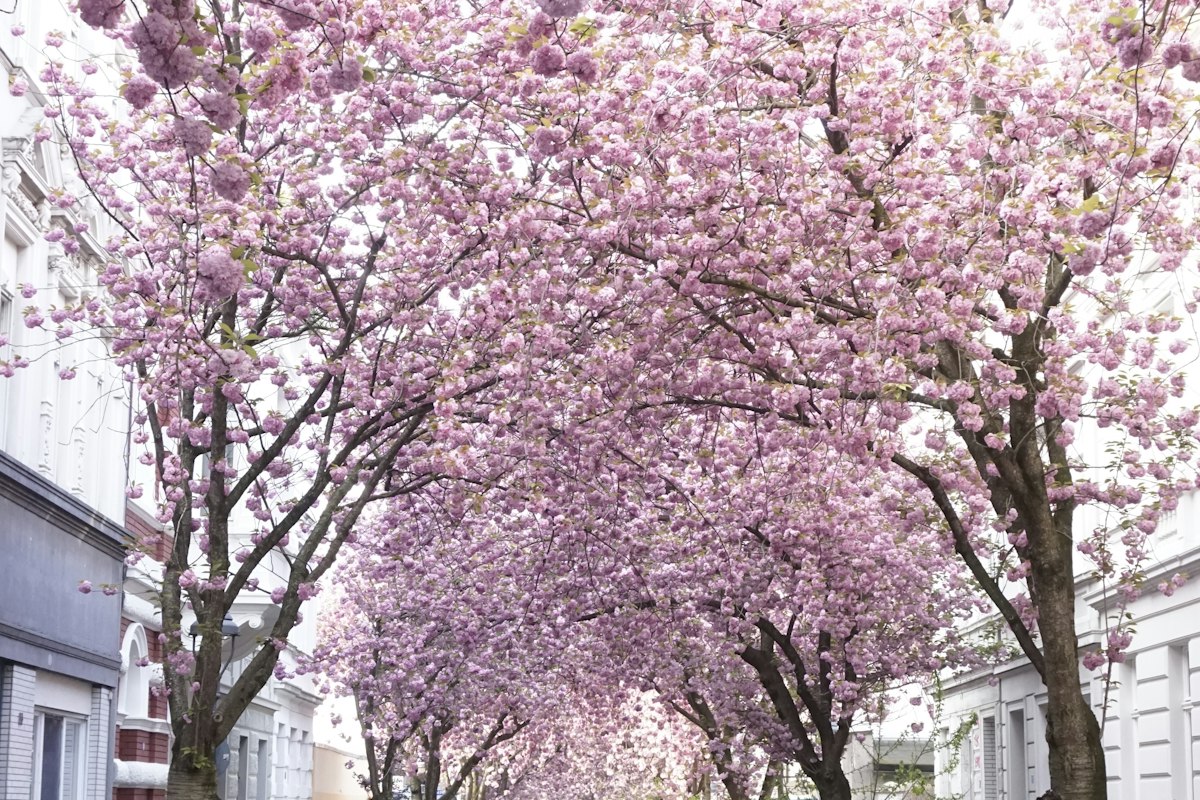
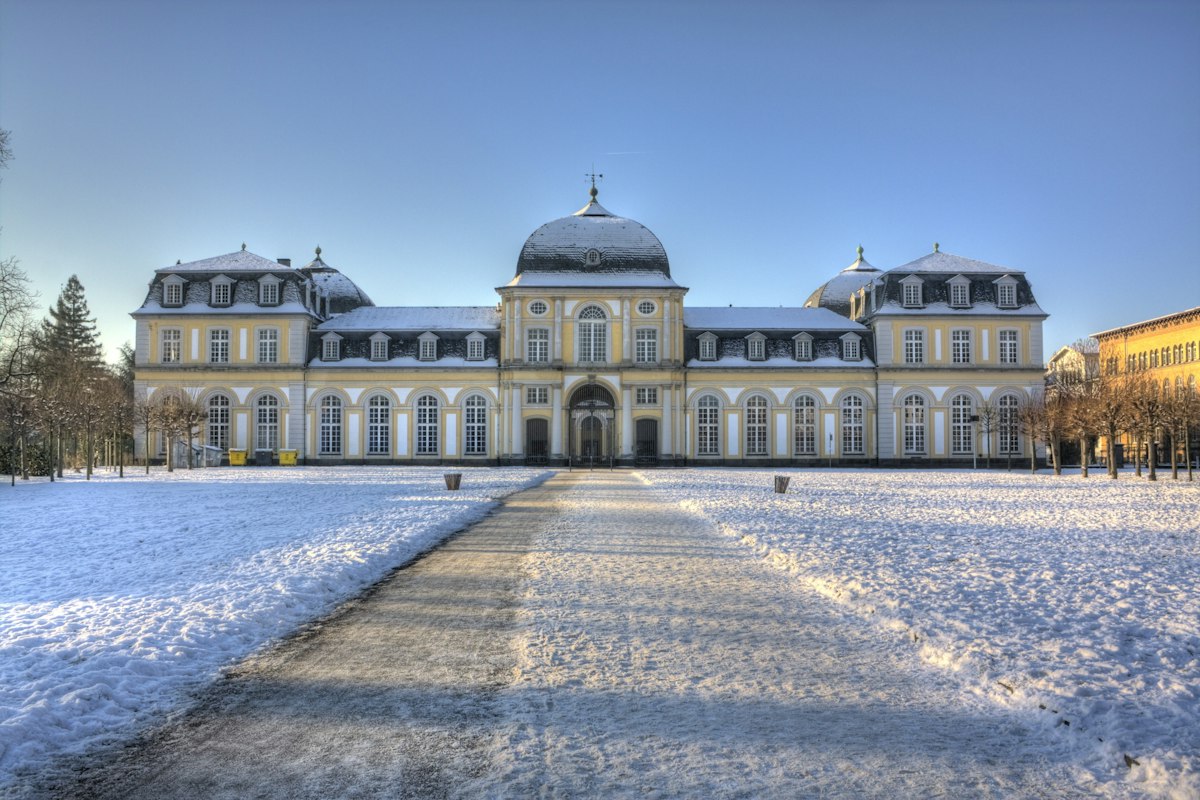
Cherry blossom streets in Bonn
Six ways to study in Germany
Pick your route by level, budget and how much German you are ready to learn.
Master's at a public university
Most English taught master's charge no tuition, only a semester contribution. Admission is competitive and grade driven.
Private university master's or MBA
Business, IT and management programmes in Berlin, Munich, Hamburg and other cities, with tuition and more intakes.
Bachelor's in English
A smaller number of English taught bachelor's, mostly at private and applied sciences universities.
Studienkolleg then bachelor's
The foundation year for FSc students, ending in the assessment exam. Taught in German.
PhD and research
Funded doctoral positions and DAAD doctoral scholarships, usually with a monthly salary or stipend.
German language course
Reach B1 or B2 before a German taught degree, or to improve your job prospects later.
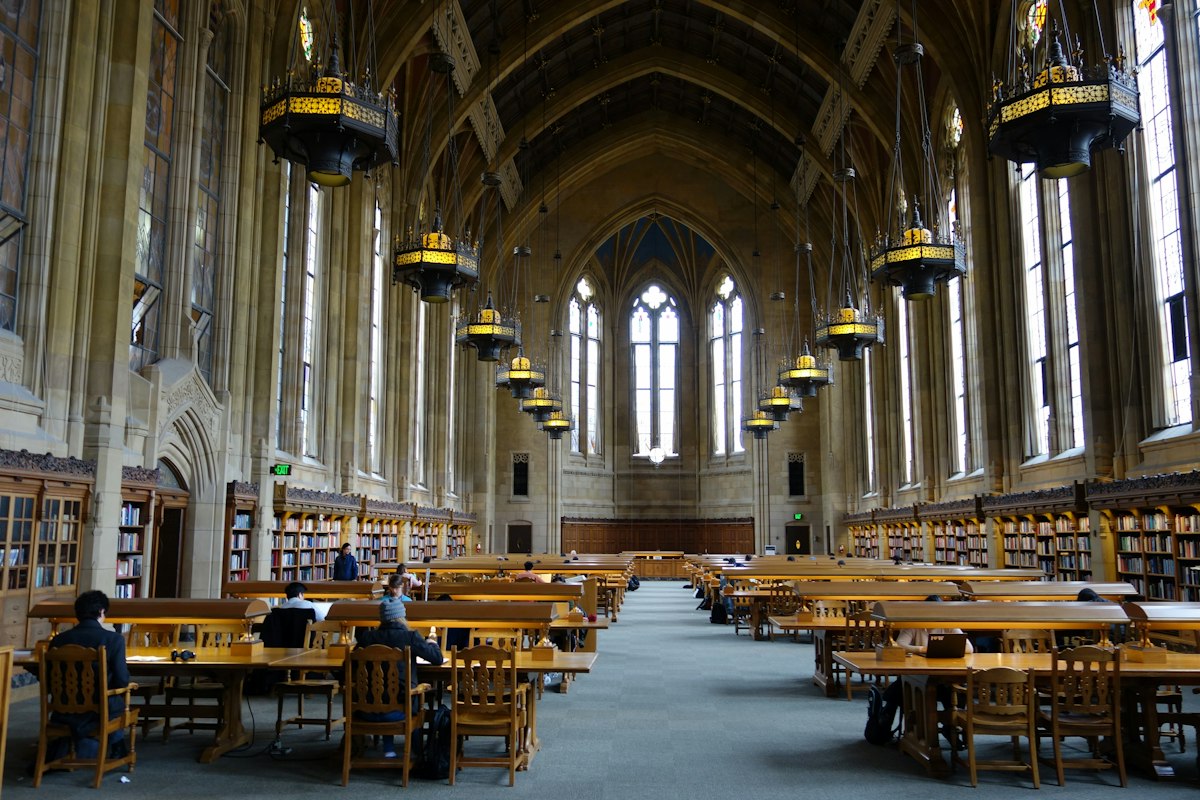
What happens after you graduate
After graduating you can apply for a residence permit to look for work for up to 18 months, and you may take any job while you search for one that matches your degree.
From admission letter to boarding pass
Pakistani students apply for the national D study visa online through the Federal Foreign Office's Consular Services Portal, not through a visa centre.
Free assessment
We check your degree, CGPA, English and budget, and tell you honestly which universities are realistic.
Shortlist and apply
Apply directly or through uni assist, which costs €75 for the first university and €30 for each extra one.
Blocked account and insurance
Open a blocked account with €11,904 and arrange health insurance from your first day in Germany.
Portal application
Register on the Consular Services Portal, upload your attested documents and wait for the first screening.
Embassy appointment
Islamabad covers Punjab, KP, ICT, GB and AJK. Karachi covers Sindh and Balochistan. The visa fee is €75.
Travel and register
Arrive, register your address, enrol and collect your residence permit from the local office.
The budget, line by line
The blocked account figure is the one stated for 2026 and is expected to rise for 2027. TUM rates rise from winter 2027/28, and FAU Erlangen Nürnberg introduces non EU tuition from summer 2027. Average student spending is about €876 to €1,200 a month depending on the city.
What universities ask for
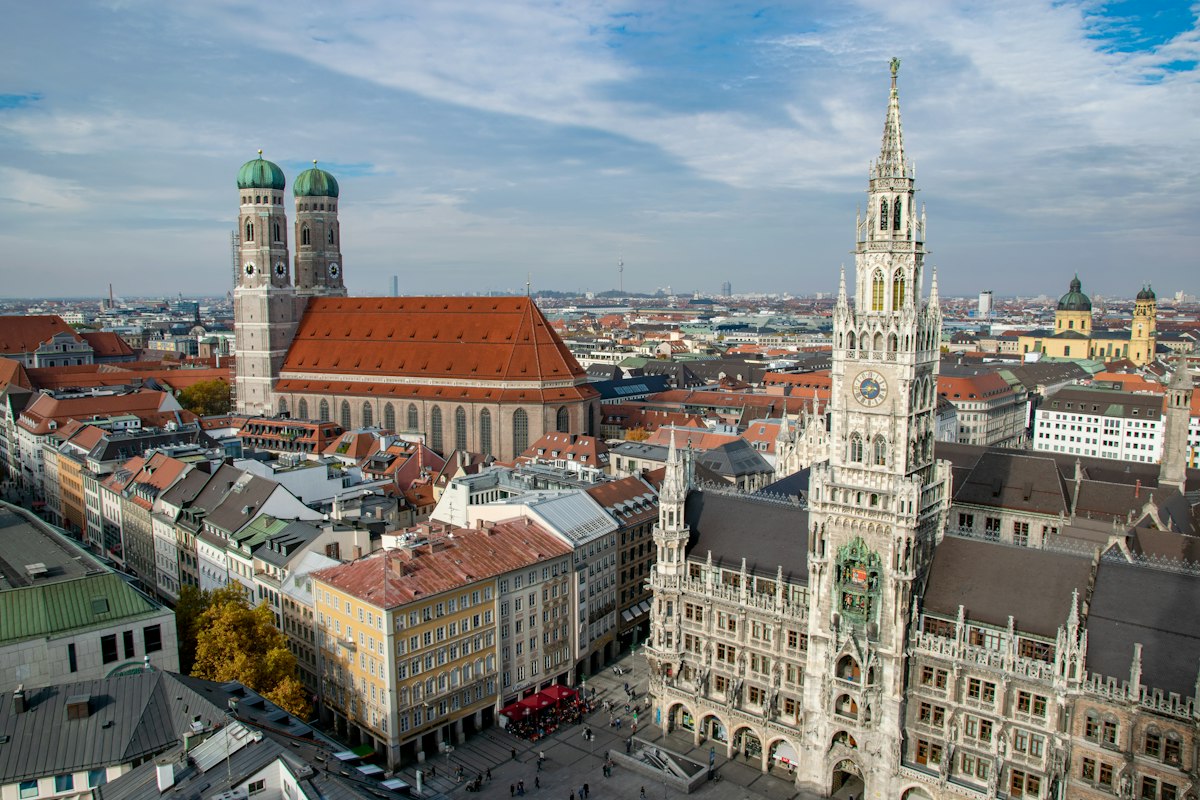
Where you could study in Germany
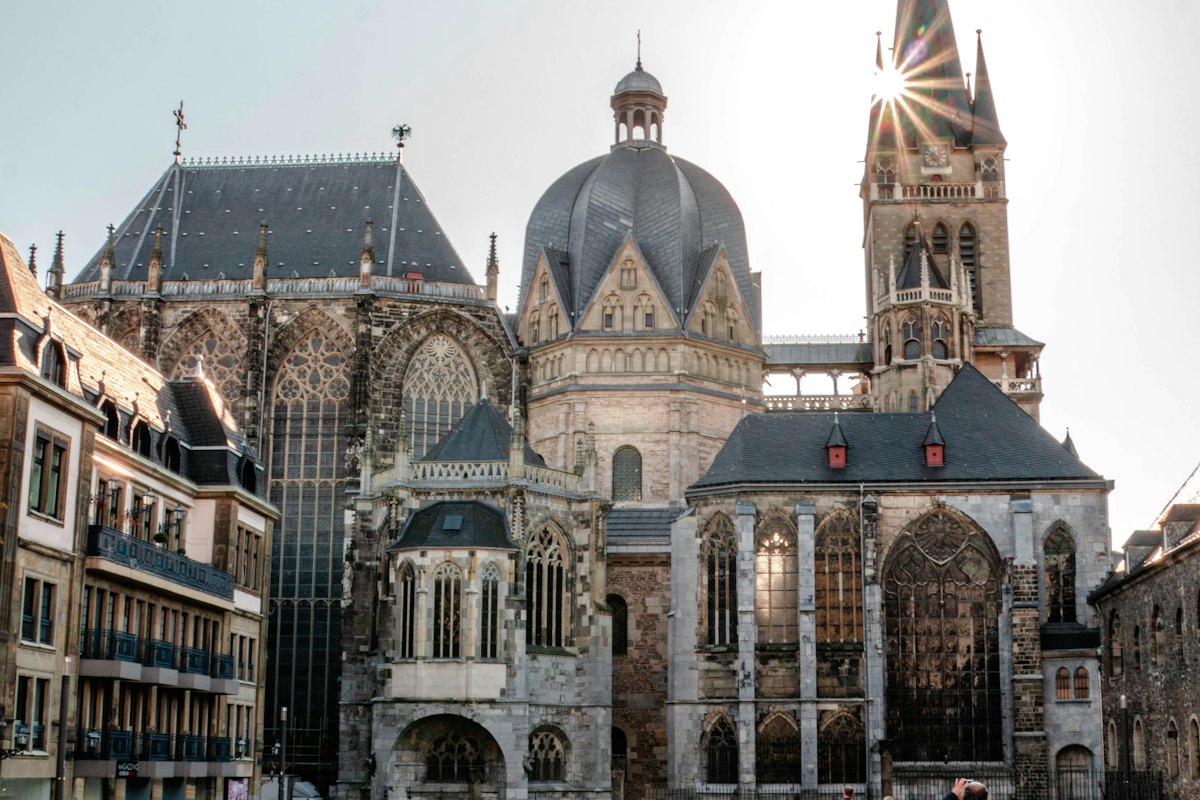
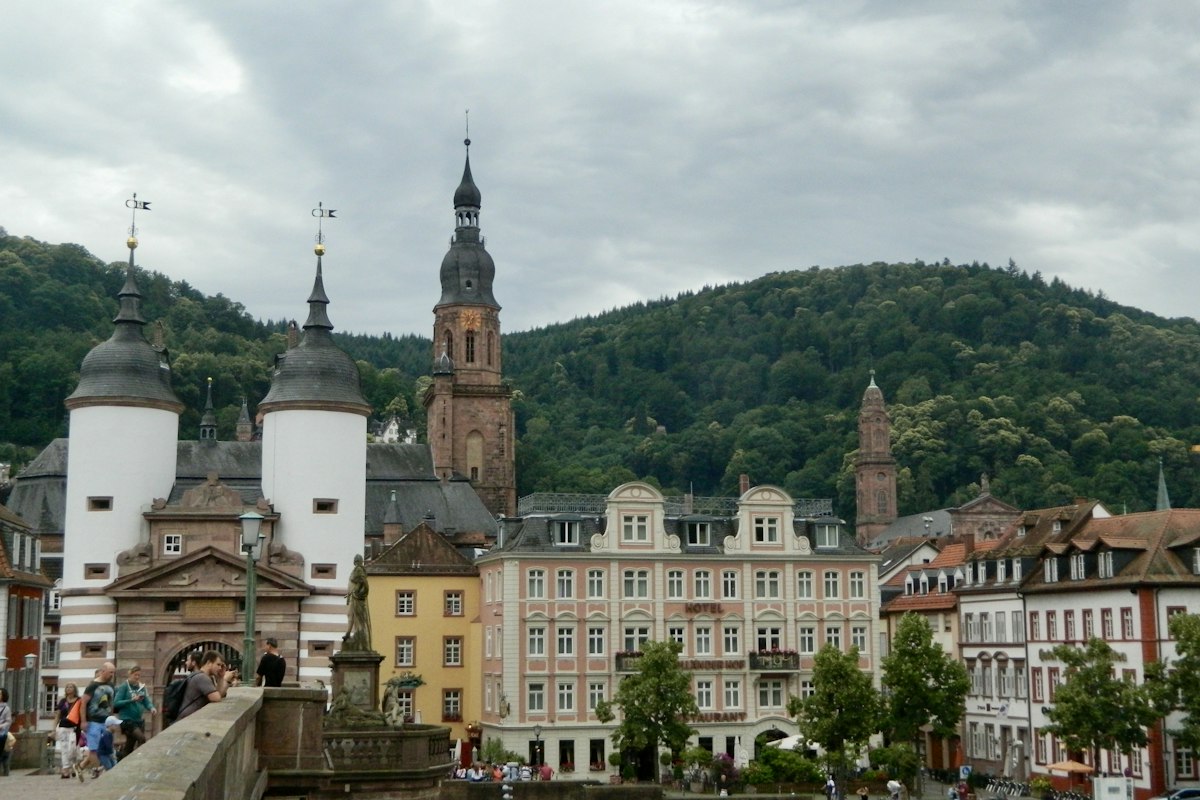
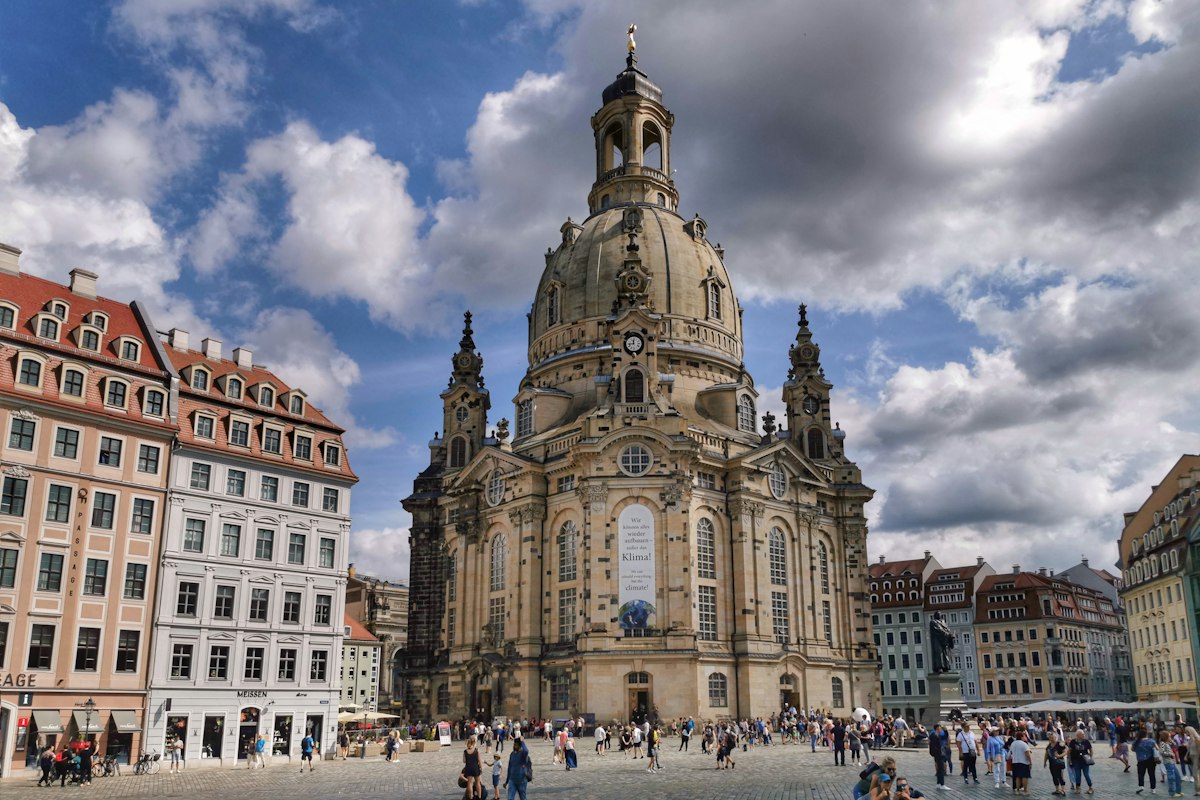
Munich and Berlin are only the start. Germany's best value is often in its smaller university towns.
Read more, and find your programme
Search Fall 2,027 programmes by subject, fee and intake, then apply through Westside.
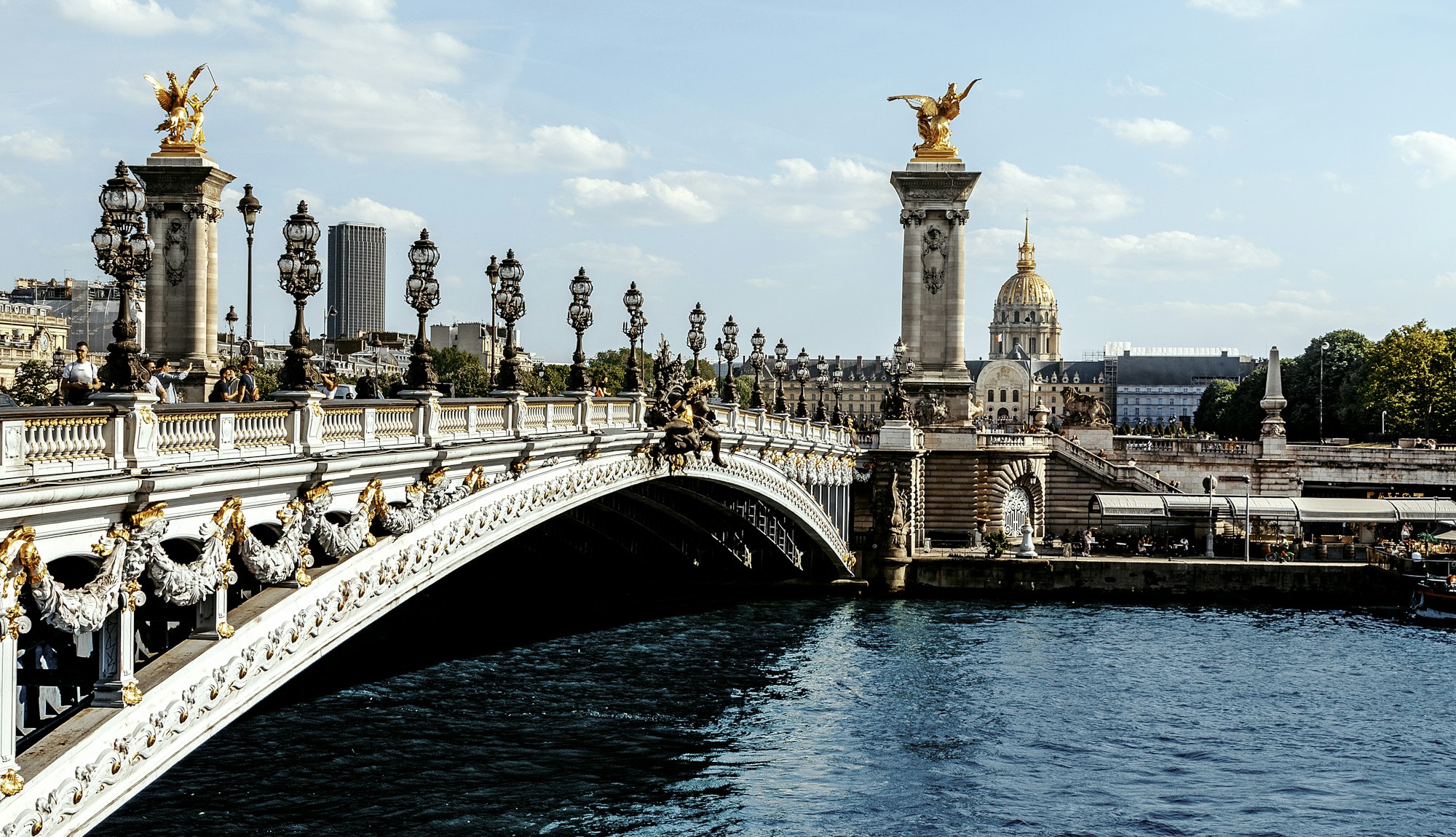
Public universities from €2,902 a year, business schools and a year to look for work.
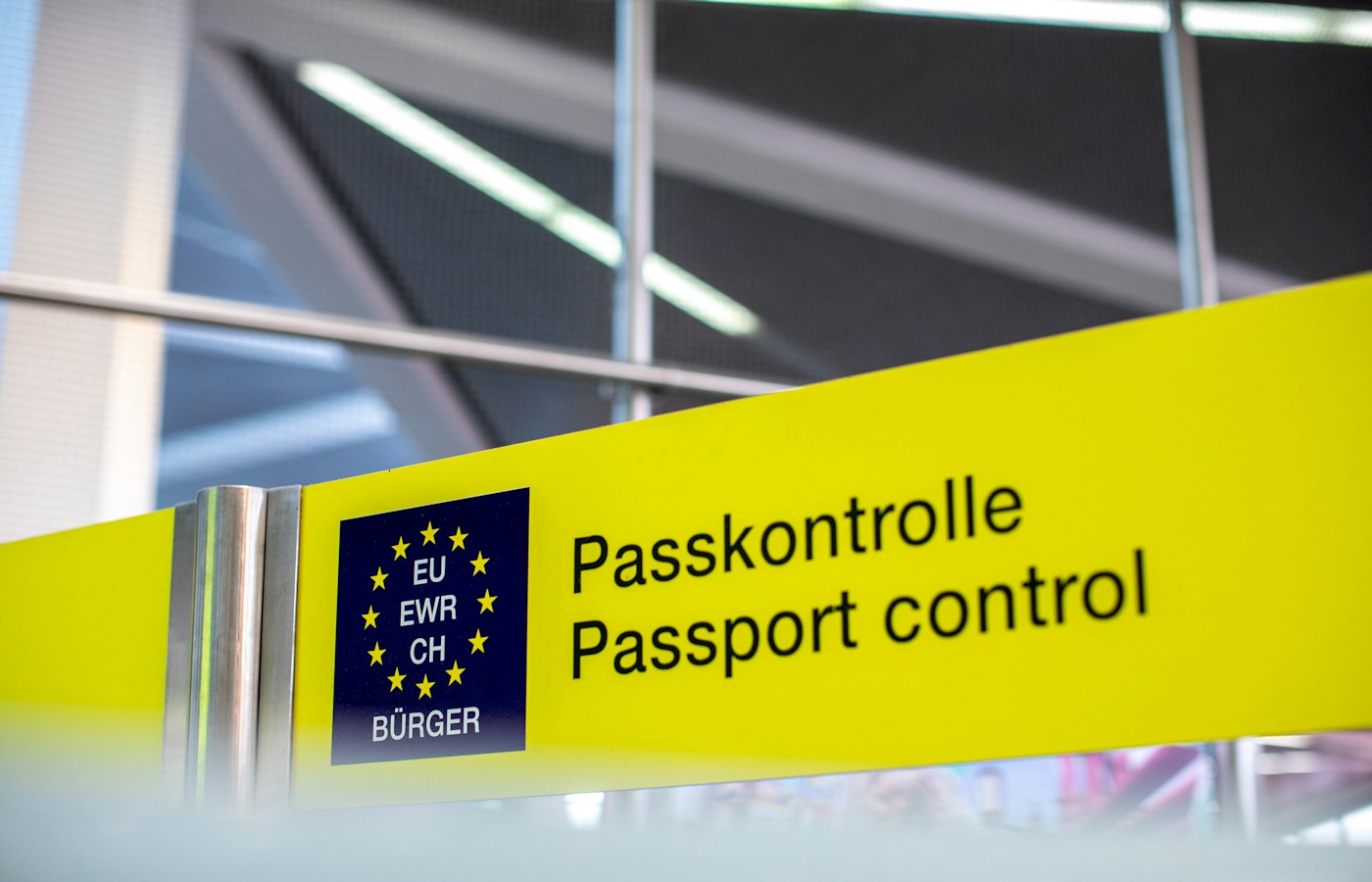
What changes at the border for Pakistani students and travellers.
Germany study questions we hear every week
Anything else, ask on WhatsApp and a counsellor will reply during office hours.
Ask your questionDo Pakistani students pay tuition in Germany?
At most public universities there is no tuition for bachelor's or master's programmes, only a semester contribution of about €70 to €430. Baden Württemberg charges non EU students €1,500 a semester, and some universities such as TUM Munich set their own fees.
How much money do I need in a blocked account?
The blocked account amount stated for 2026 is €11,904 a year, which is €992 a month. It is linked to German student grant rates and is expected to rise for 2027, so we confirm the current figure at your assessment.
Can I get a bachelor's admission in Germany after FSc?
FSc or HSSC alone does not give direct entry to a German bachelor's. You need one year of university study in a related field in Pakistan, or a Studienkolleg foundation year with its final exam, which is taught in German.
Do Pakistani students need APS for Germany?
No. APS is required only for applicants from China, India and Vietnam. Pakistani degrees still need HEC attestation, and school certificates need IBCC attestation.
Where do Pakistani students apply for the German study visa?
Online through the Consular Services Portal. Islamabad handles applicants from Punjab, KP, ICT, Gilgit Baltistan and AJK, and Karachi handles Sindh and Balochistan. The visa fee is €75.
Can I work while studying in Germany?
Yes, up to 140 full days or 280 half days a year. Student assistant jobs at your university do not count towards this limit.
Can I stay in Germany after graduating?
Yes. Graduates can apply for a residence permit to look for work for up to 18 months, and can take any job while searching. With a qualified job you can switch to an EU Blue Card or a skilled worker permit.
Can my spouse come with me to Germany?
A spouse can usually join if you were married when your permit was granted and your stay will last more than a year. The spouse normally needs basic German at A1, and you must show enough money and housing for the family.