
If you’re a Pakistani freelancer, remote employee, or online business owner, here’s news worth acting on: in December 2025, Bulgaria introduced a dedicated digital nomad residence route, letting non-EU remote workers live there legally for up to a year (renewable). And the timing couldn’t be better, it launched alongside Bulgaria’s Schengen membership and euro adoption. That means Schengen mobility from day one, a stable euro cost base, and the EU’s lowest 10% flat tax. This complete 2027/2028 guide shows you exactly how the Bulgaria digital nomad visa works, and how to qualify.

We’ll cover why Bulgaria suits nomads, the details of the new 2026 route, who qualifies, the income requirement, how to prove your income, the full process, documents, tax and living costs, the best nomad cities, and the refusal reasons to avoid. Let’s map your remote-work move to the EU.
Why Bulgaria for Digital Nomads?
Bulgaria has quietly become one of Europe’s best-value bases for location-independent professionals. Here’s why:
- The lowest EU tax a flat 10% income tax, if you qualify under its tax regime.
- Schengen from day one Bulgaria joined Schengen in 2025, so your residence opens up Europe.
- Euro cost base Bulgaria adopted the euro in 2026, removing currency friction.
- Low cost of living far cheaper than Madrid, Lisbon, or Athens, with high purchasing power.
- Fast internet among the highest average broadband speeds in Europe.
- Nomad hubs Sofia, Plovdiv, Varna, and Bansko have thriving coworking communities.
The New Digital Nomad Route (Launched December 2025)
This is genuinely new, so here’s what changed and what it means for you:
- A dedicated nomad residence category introduced by amendments to Bulgaria’s Law on Foreigners.
- Applications opened 20 December 2025 a fresh, actively-accepting programme.
- For non-EU remote workers whose income comes from outside Bulgaria.
- Valid for one year, renewable issued for 1 year and renewable (allowing an extended stay).
- Structured via the Type D visa you enter on a Type D long-stay visa, then get the residence permit.
Who Qualifies as a Digital Nomad?
The route is designed for three types of remote earner. You generally qualify if you’re a:
Remote Employee
You work for a company based outside Bulgaria, earning a salary remotely.
Business Owner
You own a business outside Bulgaria and draw income from it remotely.
Freelancer
You provide services to clients outside Bulgaria, invoicing them remotely.
The Income Requirement

Bulgaria’s income threshold is one of its biggest selling points, more accessible than most EU nomad visas:
- Around €27,500 to €31,000 per year the approximate minimum annual income (roughly €2,793/month).
- Tied to the minimum wage set at 50 times the gross minimum monthly wage, so it adjusts each year.
- For the preceding calendar year you document your income from the year before applying.
- More accessible than rivals competitive with Spain and Portugal, which often require €2,000+/month.
How to Prove Your Income
Your income evidence must match your earner category. Here’s what’s typically accepted:
| Category | Income evidence |
|---|---|
| Remote employee | 12 months’ payslips, bank statements, home-country tax return |
| Business owner | Company financial statements, tax return, bank statements |
| Freelancer | Invoices, client contracts, bank statements, tax return |
Not sure if your income qualifies?
The threshold and evidence rules are specific, and closely checked. Westside Visa reviews your income, confirms you meet the requirement, and builds proof that stands up to scrutiny.
Step-by-Step: How to Apply

The nomad route follows Bulgaria’s familiar two-stage structure. Here’s the full journey:
-
Confirm eligibility & gather income proof
Verify you meet the income threshold, and collect your category-specific evidence for the preceding year.
-
Apply for a Type D visa in Pakistan
Apply at the Bulgarian Embassy in Islamabad (fee ~€100). Processing takes around 30 days to 8 weeks.
-
Enter Bulgaria within the visa validity
Travel to Bulgaria on your Type D visa (valid up to 6 months to enter).
-
Apply for your residence permit within 14 days
Apply for the digital nomad residence permit at the Migration Directorate within 14 days of arrival.
-
Receive your 1-year residence & renew
Your residence permit is issued for one year and can be renewed, allowing an extended stay.
Documents You’ll Need
Your application must be complete and correctly legalised. You’ll typically need:
- Valid passport with sufficient validity.
- Income evidence matching your earner category (see above).
- Police clearance certificate (PCC) apostilled and translated into Bulgarian by a sworn translator.
- Medical insurance valid across the EU/Bulgaria, with minimum €30,000 coverage.
- Proof of accommodation a rental contract or owned property in Bulgaria.
- Proof of funds funds held in a Bulgarian bank account.
- Application forms completed for the Type D visa and residence permit.
Tax & Cost of Living
This is where Bulgaria really rewards nomads. Here’s the financial picture:
- 10% flat tax the lowest personal income tax in the EU, if you qualify as a tax resident.
- Sofia living roughly €600 to €800/month excluding rent; a 1-bed city-centre rent around €400 to €600.
- Cheaper outside the capital Plovdiv, Varna, and Burgas cost even less.
- High purchasing power euro/dollar income plus low costs stretches your money far.
Ready to plan your nomad move to Bulgaria?
From income proof to arrival setup, the new route has specific steps. Westside Visa handles the whole journey, so you land in Sofia or Bansko ready to work.
Best Cities for Digital Nomads in Bulgaria
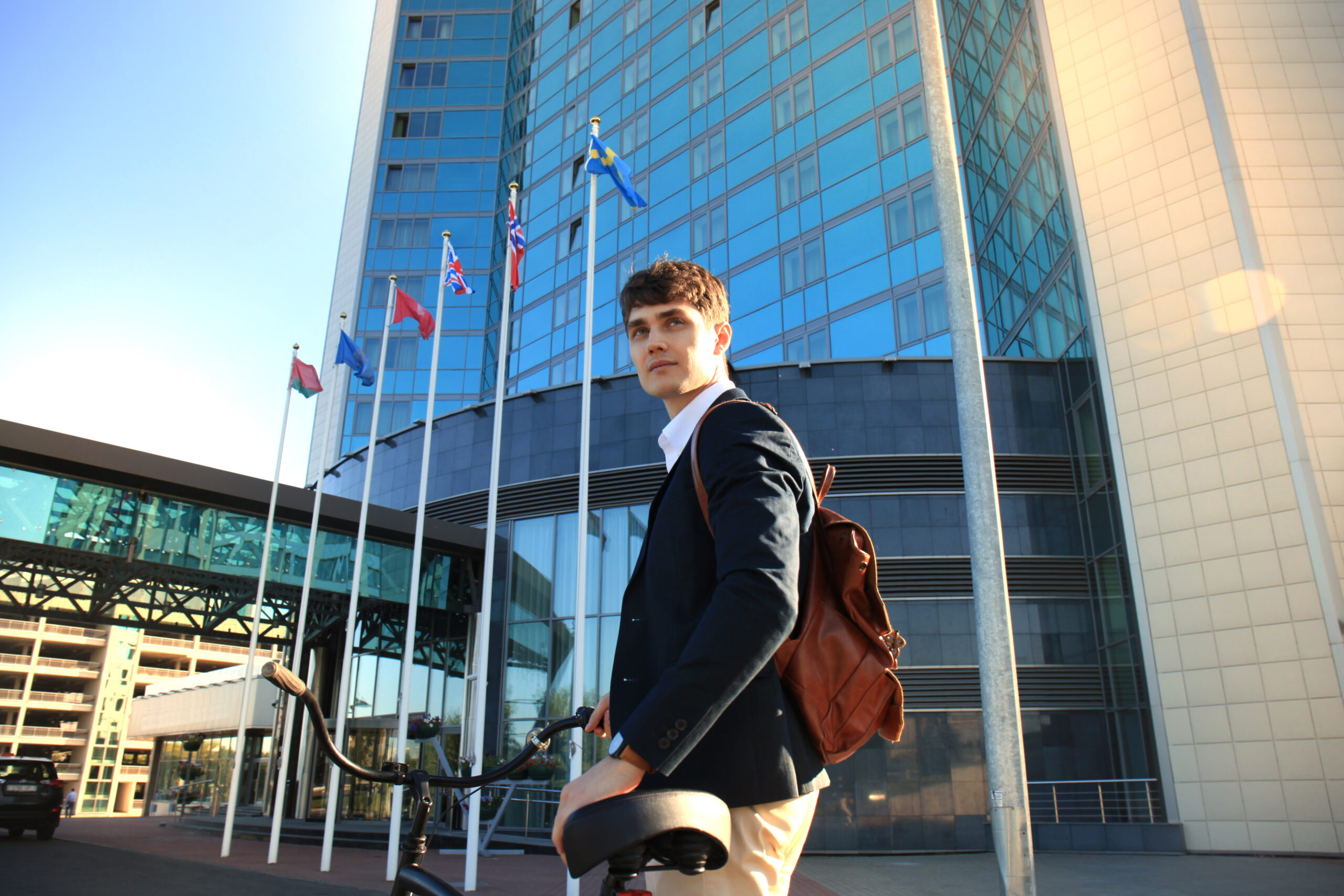
Bulgaria has several thriving nomad hubs, each with its own vibe:
- Sofia the capital, with the most coworking spaces, tech community, and amenities.
- Plovdiv historic, cultural, and more affordable than Sofia.
- Varna on the Black Sea coast, popular in summer.
- Bansko the famous mountain nomad town, with ski slopes and a big remote-work scene.
Digital Nomad Visa Refusal Reasons (and How to Avoid Them)
Nomad applications fail for specific, avoidable reasons. Fix these first:
Income below threshold or poorly documented
Not meeting (~€27,500 to €31,000/yr), or weak income proof, is the top refusal cause.
Fix it first: Show clear 12-month income evidence matching your category, above the threshold.
Income not genuinely foreign
If your income appears to come from Bulgaria, you don’t qualify for the nomad route.
Fix it first: Prove your employer, business, or clients are based outside Bulgaria.
Missing or weak insurance
Insurance that isn’t EU-valid or below €30,000 coverage leads to refusal.
Fix it first: Arrange EU-valid medical insurance with at least €30,000 cover.
Broken attestation / translation
Documents (like your PCC) not apostilled and translated into Bulgarian get rejected.
Fix it first: Apostille and use a sworn Bulgarian translator for all foreign documents.
Missing the 14-day residence deadline
Not applying for your residence permit within 14 days of arrival can restart the process.
Fix it first: Apply for your residence permit immediately after arriving in Bulgaria.
Weak accommodation proof
Without a proper registered rental contract or owned property, your application can stall.
Fix it first: Secure a registered rental contract as proof of address before applying.
Quick Facts: Bulgaria Digital Nomad Visa 2027/2028
Bulgaria Digital Nomad Visa — Key Facts
How Westside Visa Helps You With the Digital Nomad Visa

Here’s the honest truth: Bulgaria’s digital nomad route is a fantastic, fresh opportunity, but because it’s new, the details are specific and closely checked, especially your income source and evidence. Getting your category right, documenting your income airtight, and hitting the two-stage process (Type D then residence within 14 days) is exactly where expert guidance makes the difference between approval and a costly refusal. That’s where we come in.
At Westside Visa, our consultants in DHA Lahore help Pakistani remote workers move to Bulgaria on the digital nomad route for 2027/2028. We help you:
- Confirm your eligibility income category and the current threshold.
- Build airtight income proof matching your earner category, that survives scrutiny.
- Prepare your documents PCC, apostille, sworn translation, and €30,000 insurance.
- Handle both stages the Type D visa in Pakistan and residence within 14 days in Bulgaria.
- Set up your arrival accommodation, bank account, and registration.
- Avoid the refusals by fixing the common income and documentary issues before you apply.
From confirming your income to landing in Sofia or Bansko, we make sure nothing slips, so your EU remote-work dream doesn’t stall on a fixable detail. Think of us as your teammate, experienced, transparent, and fully on your side.
Live & Work Remotely From the EU
A Schengen base, 10% tax, and a fresh nomad route, it’s genuinely within reach. Let Westside Visa guide your Bulgaria digital nomad move. Book your free consultation today.
Frequently Asked Questions
Does Bulgaria have a digital nomad visa? +
Yes. In December 2025, Bulgaria introduced a dedicated digital nomad residence category through amendments to its Law on Foreigners, with applications opening on 20 December 2025. It lets non-EU remote workers, freelancers, and business owners who earn income from outside Bulgaria live there for one year (renewable). You enter on a Type D long-stay visa, then apply for the residence permit at the Migration Directorate.
How much income do I need for the Bulgaria nomad visa? +
You generally need a minimum annual income of around €27,500 to €31,000 (roughly €2,793/month). This is set at 50 times Bulgaria’s gross minimum monthly wage, so it adjusts each year as the minimum wage changes. You document your income from the preceding calendar year. This threshold is more accessible than many EU nomad visas (Spain and Portugal often require €2,000+/month).
Can I work for a Bulgarian company on the nomad visa? +
No. The digital nomad route requires your income to come from OUTSIDE Bulgaria, you cannot work for Bulgarian employers on it. The whole concept is that you earn abroad (as a remote employee, business owner, or freelancer with foreign clients) and spend locally in Bulgaria. If you want to work for a Bulgarian company, you’d need a different route like the EU Blue Card or Single Permit.
How do I prove my income for the nomad visa? +
It depends on your category. Remote employees provide 12 months’ payslips, bank statements, and a home-country tax return. Business owners provide company financial statements, a tax return, and bank statements. Freelancers provide invoices, client contracts, bank statements, and a tax return. The source and format of income are checked closely, so clear, consistent 12-month evidence matching your category is essential.
What tax will I pay as a digital nomad in Bulgaria? +
Bulgaria has the EU’s lowest flat personal income tax at 10%, which applies if you qualify as a Bulgarian tax resident. Note that holding the nomad residence permit doesn’t automatically make you a tax resident, that’s a separate test (broadly 183 days of presence in a 12-month period, or your centre of vital interests in Bulgaria). We help you understand how the 10% rate applies to your specific situation.
How long can I stay on the Bulgaria digital nomad visa? +
The digital nomad residence permit is issued for one year and can be renewed, allowing an extended stay. You apply for the residence permit within 14 days of arriving in Bulgaria (having entered on a Type D visa). Over time, continuous legal residence can count toward permanent residence after five years, opening a longer-term EU pathway.
Does Westside Visa help with the Bulgaria digital nomad visa? +
Yes we help you confirm your income eligibility and category, build airtight income proof, prepare your documents (PCC, apostille, sworn translation, €30,000 insurance), handle both stages (Type D visa in Pakistan and residence within 14 days in Bulgaria), and set up your arrival. Because the route is new and closely checked, expert help really matters. Contact us to get started.
Explore More Bulgaria Guides
Plan your full move to Bulgaria here:
- Cost of living in Bulgaria — full budgets for nomads.
- Start a business in Bulgaria (EOOD) — the entrepreneur route.
- Bulgaria permanent residence — the 5-year settle path.
- IT jobs in Bulgaria (EU Blue Card) — for local tech employment.
- Contact Westside Visa — book your free consultation.
Ready to become an EU digital nomad in Bulgaria?
A Schengen base, 10% tax, and a fresh nomad route await. Westside Visa guides you through both stages, with honest, expert advice you can trust.
Disclaimer: This blog is general information only and not official, legal, or tax advice. Bulgaria’s digital nomad residence route, income thresholds, fees, documentation, insurance requirements, processing times, tax treatment, and the path to permanent residence change and vary by case, and were correct at the time of writing for the 2027/2028 period. The income threshold is tied to the minimum wage and adjusts yearly. Approval rests solely with the Bulgarian authorities (consulate and Migration Directorate). Always confirm current requirements on official sources such as the Bulgarian Ministry of Foreign Affairs (mfa.bg) and seek personalised guidance from Westside Visa before applying.