
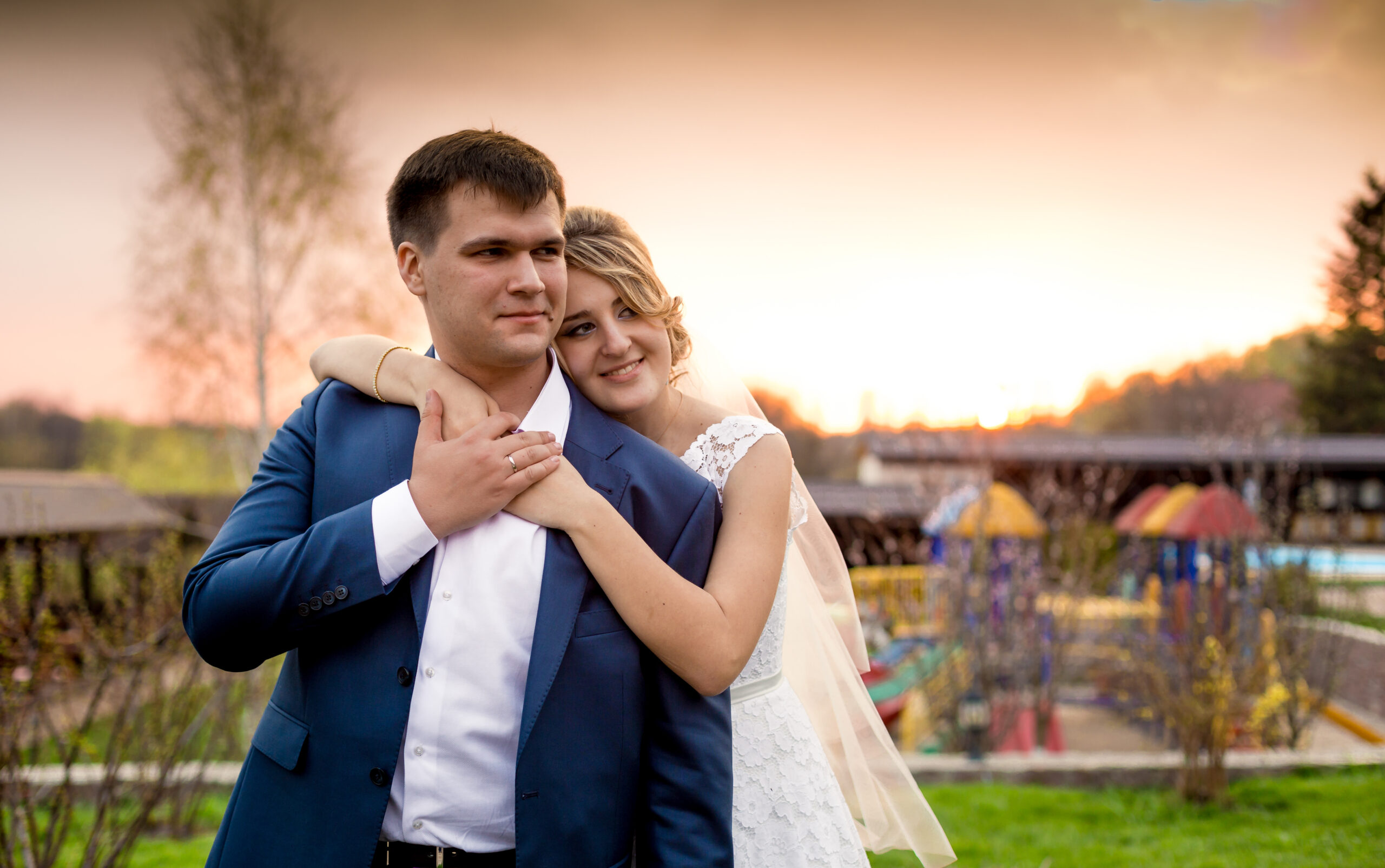
Love brought you together but borders keep you apart. If your husband or wife is a Canadian citizen or permanent resident, the Canada spouse visa (spousal sponsorship) can end the distance for good. It leads straight to permanent residence, so you can build your life together in Canada.
In this guide, we explain everything in simple English — who can apply, the inland vs outland choice, the real cost, how long it takes, and the mistakes that cause refusals. Let’s get started.
What Is the Spouse Visa?
The spouse visa is part of Canada’s Family Class immigration. It lets a Canadian citizen or permanent resident sponsor their partner for permanent residence. Once approved, your spouse becomes a PR free to live, work, and study anywhere in Canada.
The process has two steps: first, IRCC confirms the sponsor qualifies; then it assesses the applicant’s PR application, including medical, background, and admissibility checks.
Spouse Visa Quick Facts (2026)
Inland vs Outland Which One?
This is your most important decision. Both streams lead to the same result PR but the rights and risks during the wait are very different.
Inland
Spouse already in Canada on valid status
- Spouse must live in Canada during processing
- Can apply for a Spousal Open Work Permit (SOWP)
- SOWP lets them work while they wait
- Leaving Canada can complicate the file
- Usually a longer PR wait
Outland
Applicant applies from Pakistan (or abroad)
- Applicant can stay in Pakistan or travel freely
- No open work permit with this route
- Often processes faster than inland
- Right to appeal a refusal
- Best when travel or speed matters most
For many Pakistani couples where the spouse is still in Pakistan, outland is the natural choice. If your spouse is already in Canada and wants to work while waiting, inland + SOWP is attractive. The right pick depends on your situation and we help you choose wisely.
Inland or outland? Don’t choose blindly.
The wrong stream can cost you months or the right to work. Our advisors match you to the best route for your family and timeline.
Who Qualifies? Eligibility
The sponsor (in Canada) must:
- Be a Canadian citizen or permanent resident
- Be at least 18 years old
- Not be on social assistance (except for a disability)
- Not be bankrupt or under a sponsorship bar
- Promise to financially support the spouse for a set period
The applicant (your spouse) must:
- Be legally married, or a genuine common-law/conjugal partner
- Pass a medical exam by a panel physician
- Provide police certificates and clear background checks
- Prove the relationship is genuine
Proving a Genuine Relationship
Here’s the truth every couple must know: genuineness is the number-one reason applications get refused. IRCC wants to see that your marriage is real not arranged for immigration. So strong evidence matters more than anything else.
Build your case with documents like:
- Marriage certificate and wedding photos
- Photos together over time, with family and friends
- Chat logs, call records, and travel history
- Joint bank accounts, leases, or insurance
- Statements from family and friends who know you both
Watch out for common red flags very short relationships, big unexplained age gaps, little cohabitation proof, or answers that don’t match. We help you present your story clearly and honestly.

The Process Step by Step
Here’s how the journey usually unfolds. We stay with you at every stage.
Confirm eligibility
We check that both sponsor and applicant meet the rules, and pick inland or outland.
Gather relationship proof
We help you build a strong, genuine evidence package.
Complete forms & documents
We prepare the sponsorship and PR applications, plus police and medical steps.
Submit the application
We file everything to IRCC and add the SOWP if you chose inland.
Respond to IRCC
We manage any requests, extra documents, or interview preparation.
Approval & PR
Once approved, your spouse becomes a permanent resident of Canada.
How Long Does It Take?
Let’s be honest about timelines because patience is part of this journey. IRCC’s standard estimate is around 12 months, but real-world times vary by visa office and case.
Typical Processing (2026, Guide Only)
How Much Does It Cost?
The government fees are fixed and clear. Here’s the breakdown for sponsoring a spouse.
Government Fees (Approx.)
Myths vs Reality
Bad advice can hurt a good case. Let’s set the record straight.
❌ The Myths
- “I need a high income to sponsor my spouse.”
- “A marriage certificate alone is enough proof.”
- “Inland is always better than outland.”
- “Approval takes just a few weeks.”
- “My spouse can work the moment we apply.”
- “Only married couples can apply.”
✅ The Reality
- There is no minimum income for spousal sponsorship.
- You must prove a genuine relationship with strong evidence.
- The best stream depends on your situation.
- It usually takes many months, not weeks.
- Only inland applicants can get an open work permit.
- Common-law and conjugal partners qualify too.
One small mistake can delay your reunion by months.
From choosing the right stream to proving your relationship, we build spousal applications that stand up to scrutiny the first time.
Why Choose Westside Visa?
Spousal sponsorship is the most closely scrutinized family route in Canada and a small slip can cost you months. At Westside Visa, we get the details right. We help you choose inland or outland, build airtight relationship proof, and file a clean, complete application. We guide Pakistani couples from first question to final approval at competitive, nominal fees, with your private life kept private.
Your love story deserves a happy ending. Let’s bring you together.

Ready to Reunite With Your Spouse in Canada?
Book a free consultation today. Tell us your story. we’ll show you the clearest path to PR.
Frequently Asked Questions
Is there a minimum income to sponsor my spouse? +
No. Unlike the Parents and Grandparents Program, spousal sponsorship has no minimum income requirement. The sponsor simply must not be receiving social assistance (except for a disability), and must not be bankrupt or under a sponsorship bar.
Should I choose inland or outland? +
It depends. Inland suits couples where the spouse is already in Canada and wants an open work permit to work while waiting. Outland suits couples where the spouse is in Pakistan or needs to travel, and it often processes faster with a right to appeal. We help you choose the best route.
Can my spouse work while we wait? +
Yes, if you apply inland. Your spouse can apply for a Spousal Open Work Permit (SOWP), which usually arrives in about 4-6 months and lets them work for any employer. This option is not available on the outland route.
What proof do I need for a genuine relationship? +
Marriage certificate, wedding and everyday photos, chat and call records, travel history, joint finances, and statements from people who know you both. Genuineness is the top refusal reason, so strong, consistent evidence is essential.
Do common-law or conjugal partners qualify? +
Yes. You don’t have to be legally married. Common-law partners (living together in a marriage-like relationship) and conjugal partners (unable to live together or marry for valid reasons) can also be sponsored, with the right evidence.
Do you help Pakistani couples with spousal sponsorship? +
Yes, it’s one of our most requested services. We guide Pakistani couples through every step, from choosing the stream to proving the relationship, with honest advice and nominal fees. Contact us to begin.
Disclaimer: This blog is general information only and not legal advice. Immigration rules, fees, and processing times change often, and Quebec has separate procedures. Always confirm current details with the official IRCC website and seek personalised guidance from Westside Visa before applying.